switching off into
the whiteout
 Whiteouts or
cavernous dark encloses. Foreboding atmosphere. High-speed
Whiteouts or
cavernous dark encloses. Foreboding atmosphere. High-speed  schizophrenic
visions. High-pitched whines, grinding statics and scalp-tingling pings
crashing from above. Spectators stirred by the visuals, jostled by the noise
and finally hurled down the larger-than-life video footage. Somebody provide
them with a panic button to use in this whirlpool! Where can they find a refuge
from this assault on senses and belief systems?
schizophrenic
visions. High-pitched whines, grinding statics and scalp-tingling pings
crashing from above. Spectators stirred by the visuals, jostled by the noise
and finally hurled down the larger-than-life video footage. Somebody provide
them with a panic button to use in this whirlpool! Where can they find a refuge
from this assault on senses and belief systems?
 The shows of
Japanese performing arts company Dumb Type may indeed seem to
many a
The shows of
Japanese performing arts company Dumb Type may indeed seem to
many a 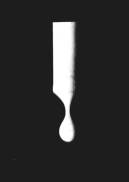 spectator as an
explosive invasion of his or her private spectatorial space. The startling use
of lighting plays an important part in the chaotic sensory overloads that their
performances consist of. It is, however, dynamic relationship between laser and
stroboscope light that makes the most singular aspect of their show OR. If this enigmatic
title, according to the authors, stands for any number of alternative
relationships, one of them being “the border between life and death,”[1] another
alternative can surely be formulated as “laser or strobe.”
spectator as an
explosive invasion of his or her private spectatorial space. The startling use
of lighting plays an important part in the chaotic sensory overloads that their
performances consist of. It is, however, dynamic relationship between laser and
stroboscope light that makes the most singular aspect of their show OR. If this enigmatic
title, according to the authors, stands for any number of alternative
relationships, one of them being “the border between life and death,”[1] another
alternative can surely be formulated as “laser or strobe.”
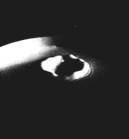 Physics
fundamentals remind us that if we could bombard atoms
Physics
fundamentals remind us that if we could bombard atoms 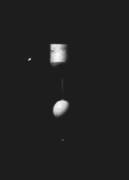 with the right kind
of photons and catch enough electrons in excited states, we would stimulate the
emission of more photons and be on our way to make laser light – that is, “a
burst of light energy all at one wavelength.”[2] On the other hand,
a stroboscope, meaning roughly “whirling watcher,” is an “instrument that can
be used to make the periodic motion of an object appear to be stationary.”[3]
And whereas the making of a laser is similar to what happens during the making
of an atomic bomb in a nuclear reactor, the stroboscope is simply based on the
quality of human eyes known as persistence of vision or retinal lag: we
continue to see an object, line, or light for about one-tenth of a second or
less after it has moved away.
with the right kind
of photons and catch enough electrons in excited states, we would stimulate the
emission of more photons and be on our way to make laser light – that is, “a
burst of light energy all at one wavelength.”[2] On the other hand,
a stroboscope, meaning roughly “whirling watcher,” is an “instrument that can
be used to make the periodic motion of an object appear to be stationary.”[3]
And whereas the making of a laser is similar to what happens during the making
of an atomic bomb in a nuclear reactor, the stroboscope is simply based on the
quality of human eyes known as persistence of vision or retinal lag: we
continue to see an object, line, or light for about one-tenth of a second or
less after it has moved away.
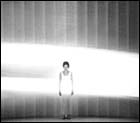
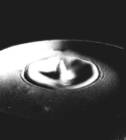 At the beginning of
OR, a band of white laser light traces a thin
At the beginning of
OR, a band of white laser light traces a thin 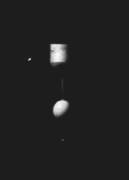 line across the
white semicircular screen that serves as the backstage wall. Appearing
periodically and then disappearing with a faint electronic blip, it
occasionally reveals not just a ghostly humanoid appearance near the wall but
also a starkly bare stage that will soon be flooded in abrupt bursts of halogen
light.
line across the
white semicircular screen that serves as the backstage wall. Appearing
periodically and then disappearing with a faint electronic blip, it
occasionally reveals not just a ghostly humanoid appearance near the wall but
also a starkly bare stage that will soon be flooded in abrupt bursts of halogen
light.
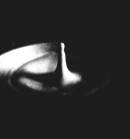 Throughout the
show, this laser continues to slice inexorably
Throughout the
show, this laser continues to slice inexorably 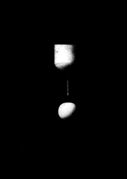 across the wall and
the bodies of the performers. This bright, thick beam seems to have the power
to tear asunder, like a ray gun or a death ray, the most popular images of the
laser. Laser light is intense, narrow, directional, coherent and monochromatic.
If a light from a bulb or a spotlight were like a shotgun, one is tempted to
imagine, a laser would be like a machine gun. But the eye has an automatic
aversion response. And with the appearance of every laser beam in OR, the audience is
automatically forced to wince, if not even to look away. Unconsciously they
know that the intensity of even a low-power laser beam is comparable to that of
the sun, and staring into a laser beam, just like staring at the sun, could
leave them with a permanent blind spot.
across the wall and
the bodies of the performers. This bright, thick beam seems to have the power
to tear asunder, like a ray gun or a death ray, the most popular images of the
laser. Laser light is intense, narrow, directional, coherent and monochromatic.
If a light from a bulb or a spotlight were like a shotgun, one is tempted to
imagine, a laser would be like a machine gun. But the eye has an automatic
aversion response. And with the appearance of every laser beam in OR, the audience is
automatically forced to wince, if not even to look away. Unconsciously they
know that the intensity of even a low-power laser beam is comparable to that of
the sun, and staring into a laser beam, just like staring at the sun, could
leave them with a permanent blind spot.
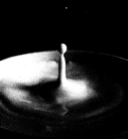
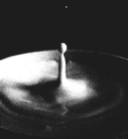 Something completely different occurs when
the stage is lit up in a thousandth of a
Something completely different occurs when
the stage is lit up in a thousandth of a 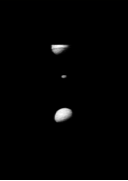 second. The
strobe-lit scenes appear as if shot through filters of painted glass or
distorting lenses positioned at various angles that flatten the characters
against their surrounding and against each other. Flickering strobe light
distorts the images to suggest a heightened, dreamlike reality, but at the same
time creates a muted, soft-focus and, since shrouded in darkness, surprisingly
softly tonal visual texture that lingers in the optic nerve.
second. The
strobe-lit scenes appear as if shot through filters of painted glass or
distorting lenses positioned at various angles that flatten the characters
against their surrounding and against each other. Flickering strobe light
distorts the images to suggest a heightened, dreamlike reality, but at the same
time creates a muted, soft-focus and, since shrouded in darkness, surprisingly
softly tonal visual texture that lingers in the optic nerve.
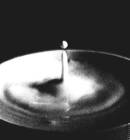 The paradox of OR is that, although
the performers are
The paradox of OR is that, although
the performers are  illuminated by a
strobe flash for the length of just a micro-second, a strong image of them, as
Arnd Wesemann notes, “can hardly be erased from the retina”[4] and remains in the
eye of the observer longer than the images of the scenes performed in halogen
or laser light.
illuminated by a
strobe flash for the length of just a micro-second, a strong image of them, as
Arnd Wesemann notes, “can hardly be erased from the retina”[4] and remains in the
eye of the observer longer than the images of the scenes performed in halogen
or laser light.
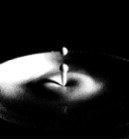 A surprisingly huge
part of OR takes place during blackouts. The act of watching and seeing is
constantly disturbed, cut short and precluded because the
A surprisingly huge
part of OR takes place during blackouts. The act of watching and seeing is
constantly disturbed, cut short and precluded because the 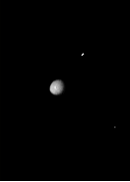 spectator is
deprived of ability to see or recognize. However, there's something rather
“addictive”[5] about Dumb Type's
frustrating strategies. In postdramatic theatre, as Hans-Thies Lehmann argues,
a right is conceded to theatre signs “to operate by the denial itself of
signification.”[6]
spectator is
deprived of ability to see or recognize. However, there's something rather
“addictive”[5] about Dumb Type's
frustrating strategies. In postdramatic theatre, as Hans-Thies Lehmann argues,
a right is conceded to theatre signs “to operate by the denial itself of
signification.”[6]
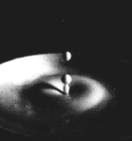 Theatre provides
here yet another tool for the extension of human vision. It confirms our
fundamental Western belief in our perfectability – a striving for dominion
over time and space. Namely, theatre becomes similar to a high-speed flash
photography. (No wonder that same-name installations usually coincide with Dumb
Type live performances.) Part of the pleasure lies in the audience’s continuing
amazement and puzzlement at the extremely short times of light exposure. The
timing of jump-cuts is so accurate and responsive to light board control that
it’s hard to separate live
Theatre provides
here yet another tool for the extension of human vision. It confirms our
fundamental Western belief in our perfectability – a striving for dominion
over time and space. Namely, theatre becomes similar to a high-speed flash
photography. (No wonder that same-name installations usually coincide with Dumb
Type live performances.) Part of the pleasure lies in the audience’s continuing
amazement and puzzlement at the extremely short times of light exposure. The
timing of jump-cuts is so accurate and responsive to light board control that
it’s hard to separate live 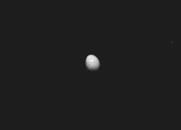 performance from a
postproduction editing. As exposure times decrease, the scenes more strongly
give the impression that they freeze time. An illusion is created that physical
laws can be suspended and time stopped without the subjects observed losing
their own recognizable identity. Even at a segment of a second they keep their
substance, weight and even velocity. The strobe light actually makes the
performers’ so dissected into individual movements that they seem sped up.
Obviously, theatre cannot stop the flow of movement, but it can enhance our
ability to view it.
performance from a
postproduction editing. As exposure times decrease, the scenes more strongly
give the impression that they freeze time. An illusion is created that physical
laws can be suspended and time stopped without the subjects observed losing
their own recognizable identity. Even at a segment of a second they keep their
substance, weight and even velocity. The strobe light actually makes the
performers’ so dissected into individual movements that they seem sped up.
Obviously, theatre cannot stop the flow of movement, but it can enhance our
ability to view it.
The last sequence
of OR increasingly builds up faith in the capacity of the human mind
to grasp infinite load of minutia. The scene reminds of the “multi-flash” 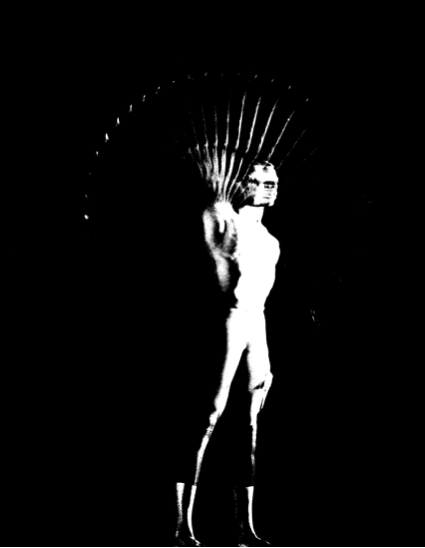 photographic
lighting technique that “sequentially exposes a single piece of film using
repeated flash of light to illuminate a subject in motion.”[7]
Instead being annoyed because of their frustrated attempts to see, the
spectators of OR are becoming aware that they are actually permitted to
see the unseen: progressions, formations, compressions, fusions, protrusions,
propagations, deformations and disintegrations of the moving bodies at the
moment of a crucial impact occurring between them. These multi-flash pictures
brush strange, airy, surreal abstractions across the stage.
photographic
lighting technique that “sequentially exposes a single piece of film using
repeated flash of light to illuminate a subject in motion.”[7]
Instead being annoyed because of their frustrated attempts to see, the
spectators of OR are becoming aware that they are actually permitted to
see the unseen: progressions, formations, compressions, fusions, protrusions,
propagations, deformations and disintegrations of the moving bodies at the
moment of a crucial impact occurring between them. These multi-flash pictures
brush strange, airy, surreal abstractions across the stage.
In OR, Dumb Type do not merely test
nor challenge the time threshold of human perception. They seek an asylum from
a sinister and relentless flow of frenetic and amplified external sensations
and succeed in finding it in a pulsating, flickering whiteout.
Ljubi Matic
April 10, 2005