|
1
|
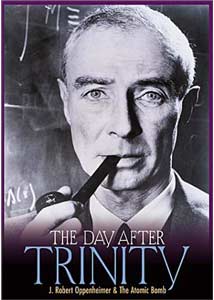
- The impact of the bomb through a documentary
|
|
2
|
- Perspective of Historians
- Reflections from main participants
- Oppenheimer and his brother, etc.
- Clips and descriptions of the effects of the bomb
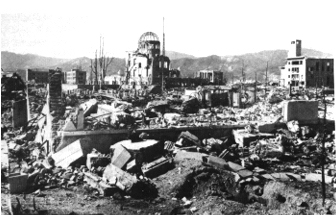
- Death and destruction
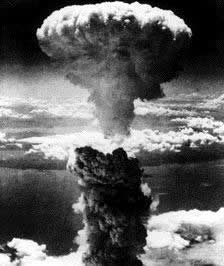
- Power of the bomb (mushroom cloud)
|
|
3
|
- After Hiroshima
- The Hydrogen Bomb
- Arms Race
- Soviet Union’s test of atomic bomb, hydrogen bomb
- Up to the point documentary was filmed, 1,200 nuclear bombs tested
|
|
4
|
- “A Picture is Worth A Thousand Words”
- Puts a human face on the tragedy
- Allows us to see the destruction while providing us the facts
- Emotion of men involved
- Visual images supplement words
- Evokes sympathy for the Japanese people and American soldiers
|
|
5
|
|
|
6
|
- Gives us insight into the thoughts of people involved through personal
interviews
- Captures the moment whereas texts are reflections
- Allows for contrasting images
- Cheering American soldiers vs. Devastated Japanese people, esp.
CHILDREN
|
|
7
|
- Together, the two combine both intellectual and emotional aspects of
historical events
- They bring together not only the facts of governmental policies but also
the personal consequences of their implementation.
- Texts choose quotations for their content whereas documentaries work to
capture the emotional appeal.
|
|
8
|
- What image was the most evocative to you?
- Are there any other differences between documentaries and texts?
Similarities?
- Do you prefer documentaries to texts? Why or why not?
- Did you learn anything new from the documentary?
- Do you think the United States’ treatment of Oppenheimer was fair?
|

 Notes
Notes