|
1
|
|
|
2
|
- … quoth Elizabeth I.
- -- As if, indeed, the Royal Person were immortal and had survived the
years from 1400 to 1600 intact, and bearing the same grudges.
|
|
3
|
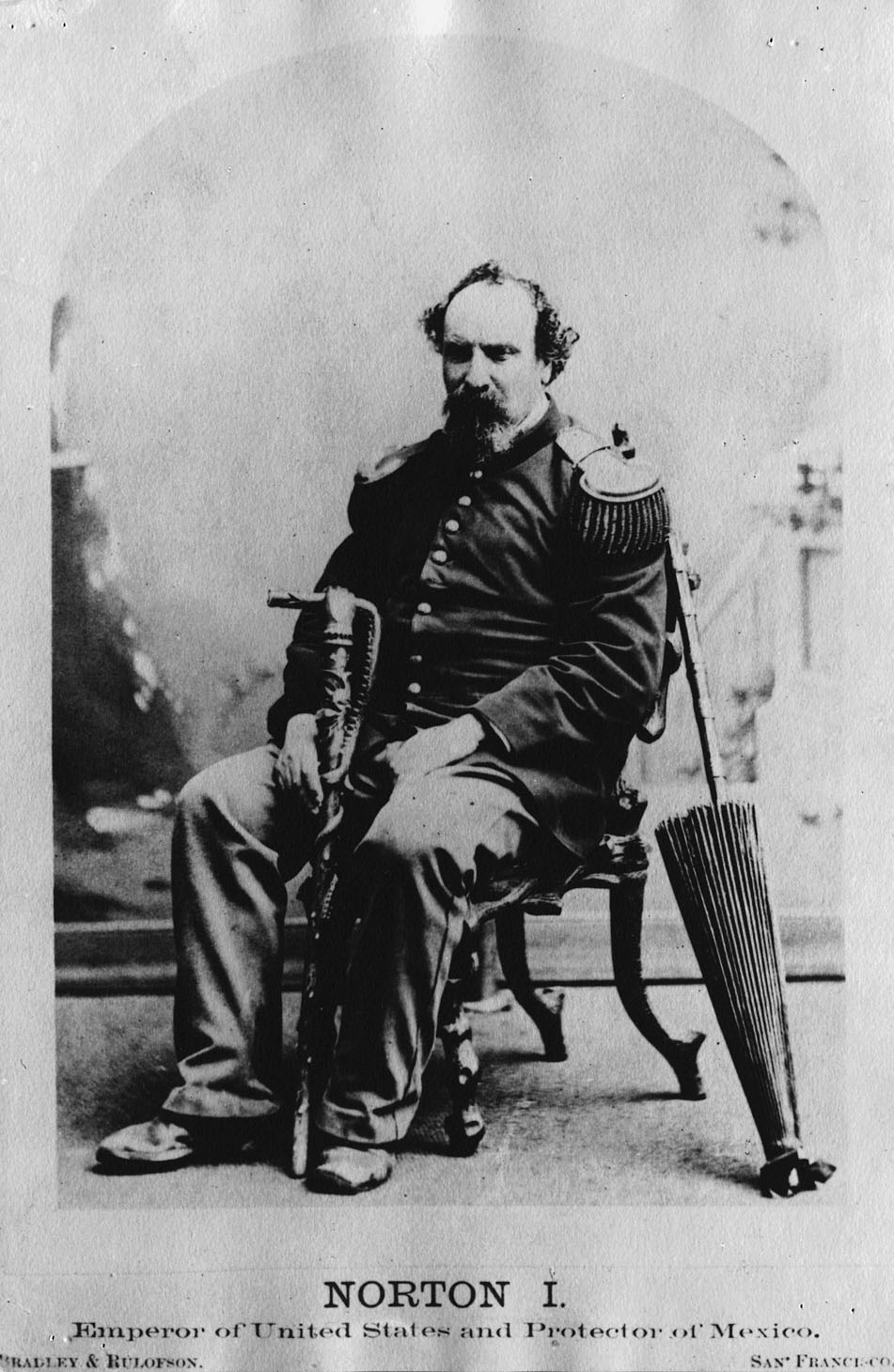
- Blackstone: “the king never dies”
- The king’s natural body
- The king’s “body politic”
- -- in what does this second body consist?
- Can every ruler say “I am Richard II”?
|
|
4
|
- RICHARD. “Therefore we banish you”
- BULLINGBROOK. “Your will be done”
- RICHARD. “The hopeless word of never to return / Breathe I against thee”
- MOWBRAY. “A heavy sentence… And now my tongue’s use is to me no more…”
- (I. 3. 139-162)
|
|
5
|
- RICHARD. “Six frozen winters spent, / Return with welcome home from
banishment.”
- BULLINGBROOK. “How long a time lies in one little word. / Four lagging
winters and four wanton springs / End in a word, such is the breath of
kings.”
- (I. 3. 210-214)
|
|
6
|
- GAUNT. “Think not the king did banish thee, / But thou the king. … Go,
say I sent thee forth to purchase honor, / And not the king exiled thee…
Suppose… thy steps no more / Than a delightful measure or a dance…”
- BULLINGBROOK. “Oh, who can hold a fire in his hand / By thinking on the
frosty Caucasus? / Or cloy the hungry edge of appetite / By bare
imagination of a feast?” (I. 3.
277-94)
|
|
7
|
- John Austin, How to Do Things With Words (1962)
- “Speech acts” or “performative utterances”
- Not exactly true or false, but valid and invalid
- Conditions
- Chains of performatives
|
|
8
|
- Promising, commanding, declaring (e.g., war), enfeoffing, sentencing,
naming, crowning…
- Staged “performances” and imitations of speech acts
- Language and “power”: not either/or, but mutual entanglement and
imbrication
- 2 languages, one “constative,” one “performative”? 2 bodies inherent in
all of us?
- The Elizabethan sensitivity to language
|
|
9
|
|
|
10
|
- “Blank charters”
- “Inky blots and rotten parchment bonds”
- “Thy state of law is bondslave to the law”
- “Take Herford’s rights away and take from time / His charters and his
customary rights. / Let not tomorrow then ensue today. / Be not thyself.
For how art thou a king / But by fair sequence and succession?” (II. 1.
195-9)
|
|
11
|
- The king’s “body politic” is made up of speech acts
- Felicitous or infelicitous? Who decides?
- BULLINGBROOK. “All my treasury / Is yet but unfelt thanks” (II. 3. 60)
|
|
12
|
- Criteria:
- Agency
- Autonomy
- Relationships (to other bodies, to space, etc.)
- Consequentialness
- Richard II anatomizes the king’s multiple body
|

 Notes
Notes