|
1
|
- The Pillow Book 枕草子, sections 1-51
|
|
2
|
- Style
- Narrative ordering
- Subject matter
- Speaker’s personality
- Relation to an outside world
- What’s left unspoken
- Like or unlike the Crito?
- A word of caution about cultural typing
|
|
3
|
- As a novel (fiction)?
- As a diary (fact)?
- As a notebook (sketches)?
- As a series of prose poems?
- Available genres:
- Chronicles
- nikki 日記 (“diary”), zuihitsu 隨筆 (“casual
writings”), monogatari 物語 (“novel”)
|
|
4
|
- Section 13: “Depressing Things”
- Section 14: “Hateful Things”
|
|
5
|
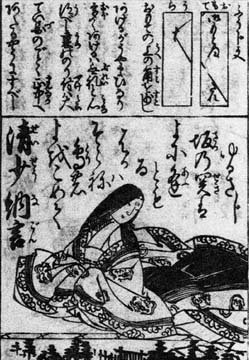
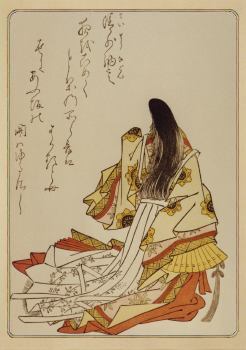
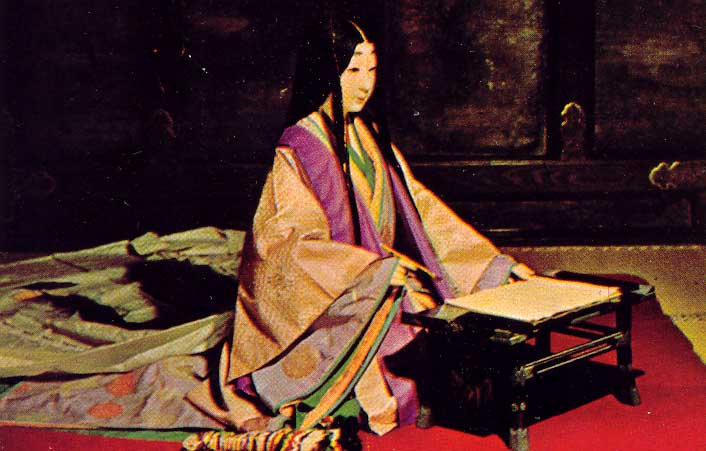
- Sei Shōnagon 清少納言 , ca. 965-ca. 1020?
- 清 (Kiyowara, Chinese pron. Sei): clan name
- Literary and official family, famous for its poets
- Ca. 993-1001: lady-in-waiting to Empress Sadako
|
|
6
|
|
|
7
|
|
|
8
|
- Ch. “mei,” J. “bi” (represents the word or concept of ‘beautiful’)美
- J. hiragana “ma” (represents syllable)
- ま
|
|
9
|
- Section 51: “Grass Hut”
- Battle of wits
- Having cards and showing them
- Reputation, curiosity, value
- Interplay between male and female worlds, between Chinese and Japanese
learning
- Sei Shōnagon vs. Murasaki Shikibu
|
|
10
|
- Fujiwara clan (Empress Sadako’s family)
- Fujiwara no Michitaka, empress’s father and chief minister (d. 995)
- Struggle between empress’s brother, F. no Korechika, and uncle, F. no
Michinaga, for supremacy
- Michinaga wins; Sadako demoted, Michinaga’s daughter Akiko becomes chief
consort
|
|
11
|
- Court life
- Emperor vs. father-in-law of emperor
- (father-in-law is grandfather of next emperor)
- Women and political power: “set apart,” indispensable but impotent
- Sei Shōnagon’s loyalties
|
|
12
|
- Section 7: “When the Empress moved”
- Section 12: “When I make myself imagine”
- Section 49: “It was during one of Her Majesty’s periods of residence”
- Living on the outside
|
|
13
|
- How do actors in this drama recognize each other, maneuver for
authority, pursue their desires, resign themselves to the inevitable,
through the organization of space?
- Architecture, maps, room decoration
- Letters and poems
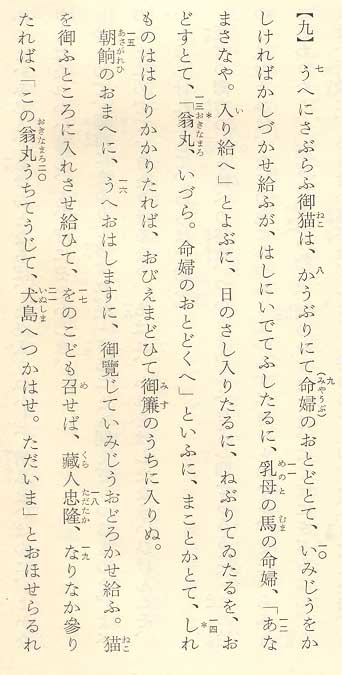
- Dogs and shoes
- It’s all meaningful
|

 Notes
Notes