|
1
|
|
|
2
|
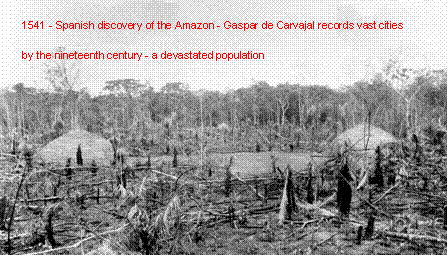
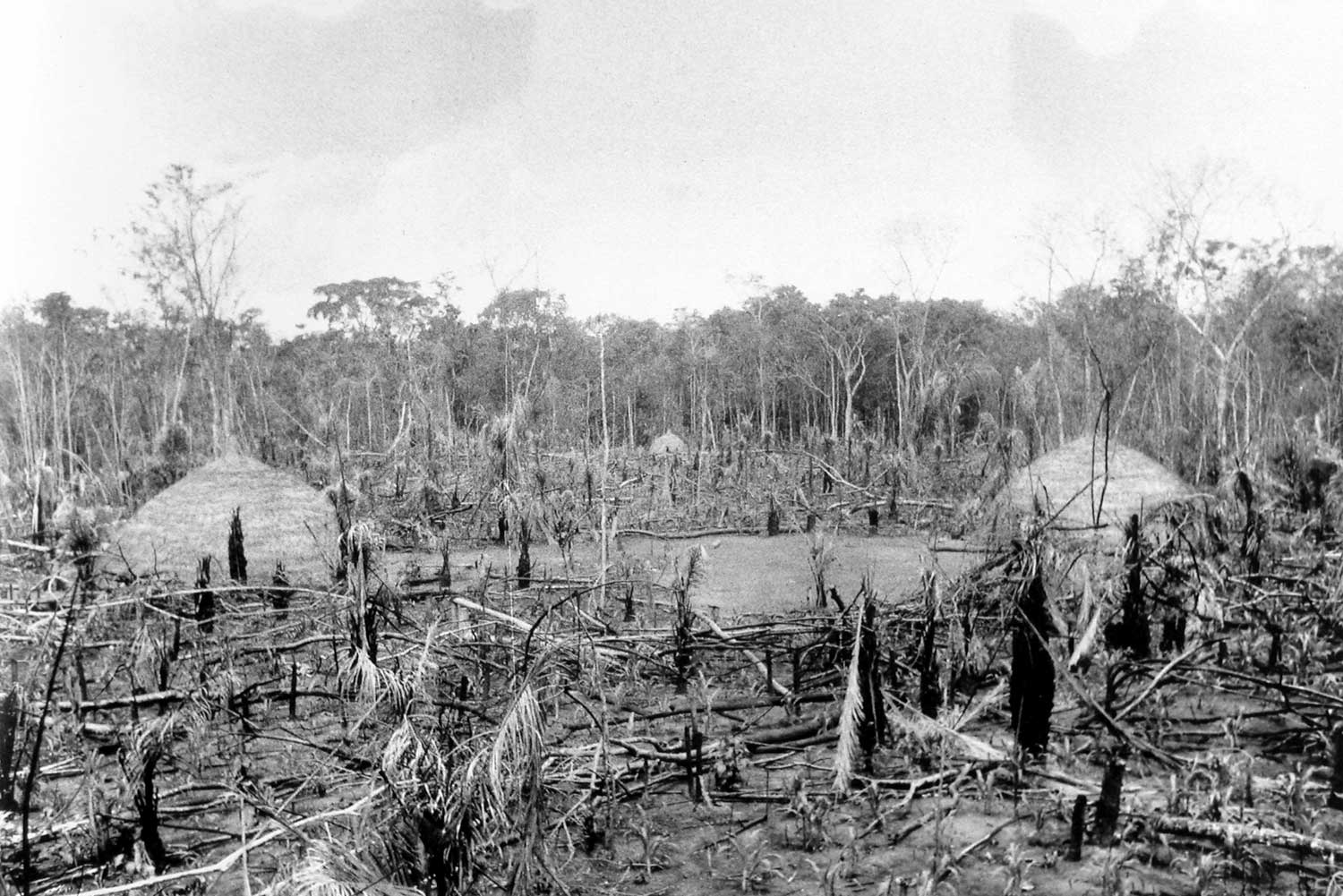
- 1541 - Spanish discovery of the Amazon - Gaspar de Carvajal records vast
cities
- by the nineteenth century - a devastated population
|
|
3
|
- formalized at the end of the nineteenth century
- focusing upon pristine societies in colonial territories - sub-saharan
Africa, the Americas, Oceania
- two major philosophies - evolutionary anthropology, and the cultural
relativism of Anglo-American anthropology (particularly after Boas and
Malinowski)
|
|
4
|
- travel away from Europe
- encounters with an ‘other’ society - exotic, non-western, or just
different
- the notion of fieldwork - travel across distance, immersion, participant
observation, writing, distanced objectivity
- the idea that the studied society is about to disappear
- the field as a ‘laboratory’
|
|
5
|
|
|
6
|
|
|
7
|
|
|
8
|
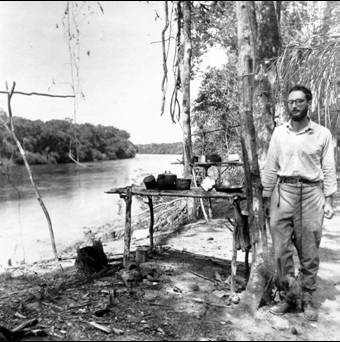
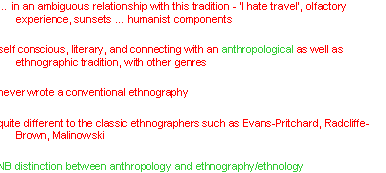
- … in an ambiguous relationship with this tradition - ‘I hate travel’,
olfactory experience, sunsets … humanist components
- self conscious, literary, and connecting with an anthropological as well
as ethnographic tradition, with other genres
- never wrote a conventional ethnography
- quite different to the classic ethnographers such as Evans-Pritchard,
Radcliffe-Brown, Malinowski
- NB distinction between anthropology and ethnography/ethnology
|
|
9
|
|
|
10
|
|
|
11
|
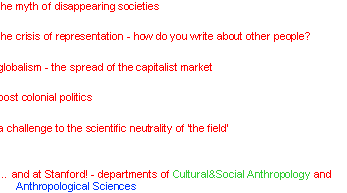
- the myth of disappearing societies
- the crisis of representation - how do you write about other people?
- globalism - the spread of the capitalist market
- post colonial politics
- a challenge to the scientific neutrality of ‘the field’
- … and at Stanford! - departments of Cultural&Social Anthropology and
Anthropological Sciences
|
|
12
|
|
|
13
|
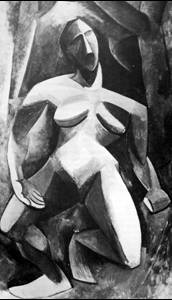
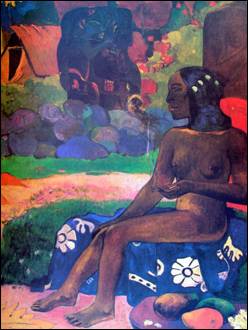
- the passages on the senses
- the focus on the body of the native informant
|
|
14
|
|
|
15
|
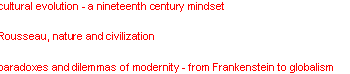
- cultural evolution - a nineteenth century mindset
- Rousseau, nature and civilization
- paradoxes and dilemmas of modernity - from Frankenstein to globalism
|
|
16
|
|
|
17
|
|
|
18
|
|
|
19
|
|
|
20
|
|
|
21
|
|
|
22
|
|
|
23
|
|
|
24
|
|
|
25
|
|

 Notes
Notes