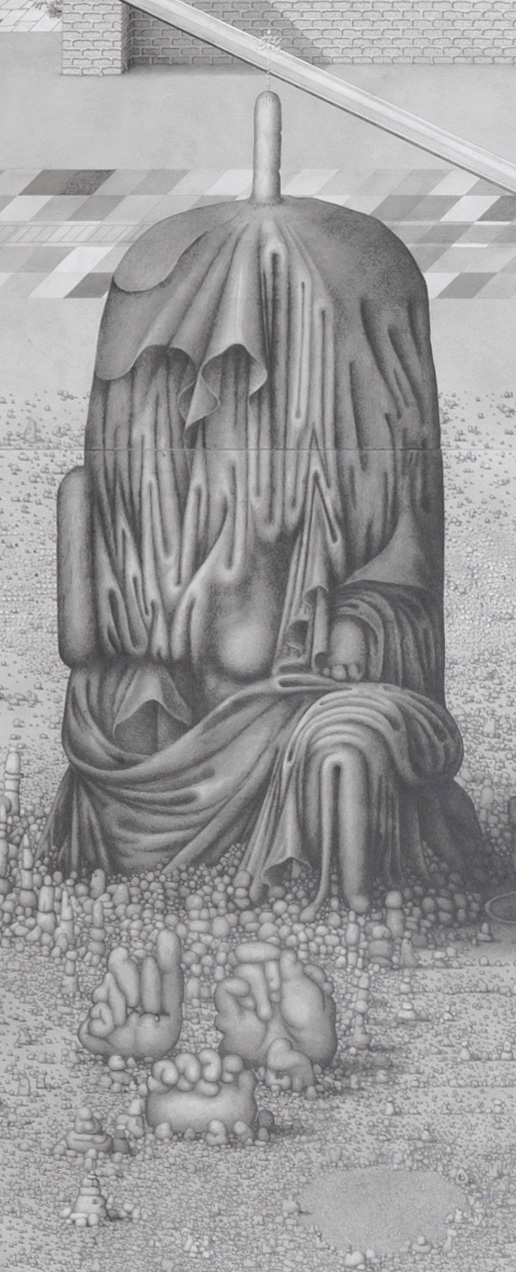
MS: There’s a great shrouded form in Welcome to Nobson.
The abstracted and anthropomorphic forms around Villa Joe also suggest wrapping, and a binding of body. Is there danger here, or repression? Life and death enfolded?
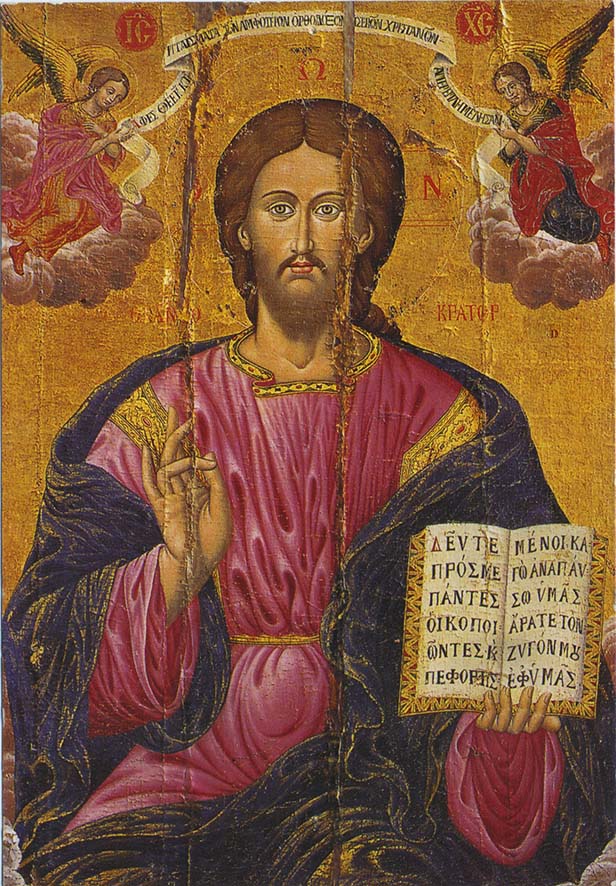
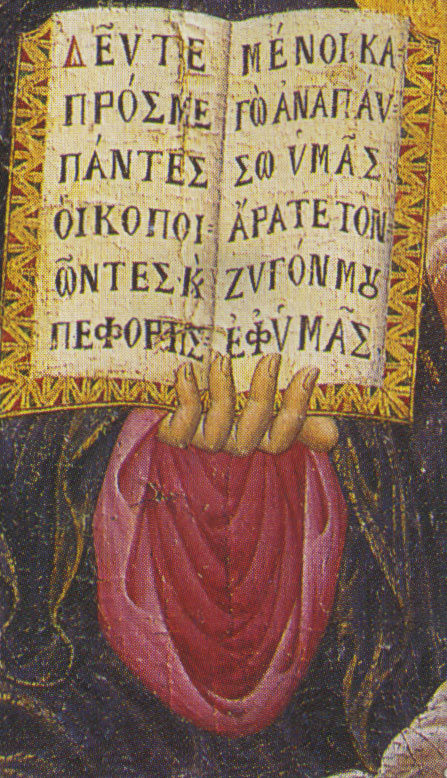
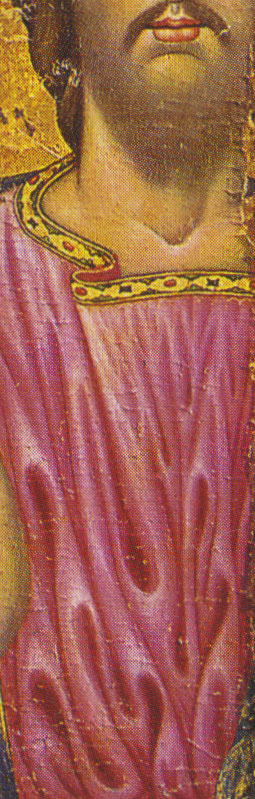
PN, on the form in Welcome to Nobson: “This is a male presence in the way that the labyrinth is a female presence. I was looking at icon paintings in Crete, Preveli monastery, and saw that the cloaks that covered the sacred figures, did the opposite of covering their nudity, they became the flesh itself, and more than that, I saw the monkish imagination depicting first the gaping wounds within the folds of cloth and that these wounds became cosmic vaginas.” “I saw that the painter used the cloak, not as a robe to hide Christ's nakedness but as a cloth onto which to project a nakedness that penetrates the skin in such a way as to sexualise the Christ image."
MS: The topic here is integument, the way skin and clothing both hold together the body, offering form and identity, both revealing and concealing what lies beneath.
And topology, as in the Klein bottle, that curious inside-out form where inside becomes outside becomes inside.
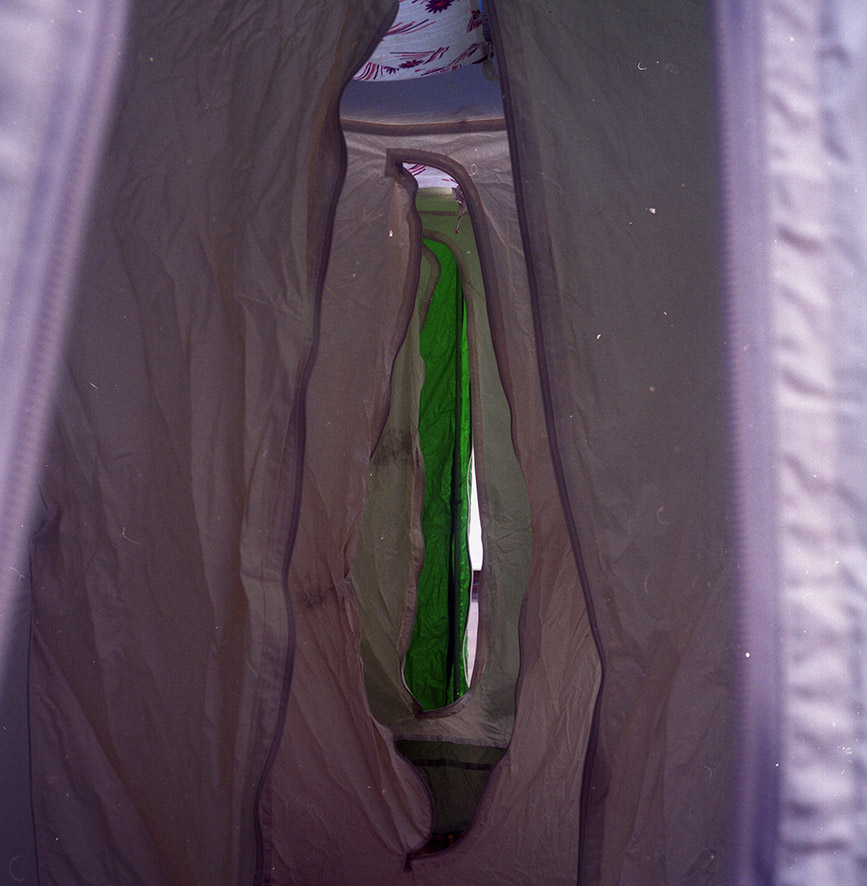
In TENT the word in Nobson font was created out of frame and cloth, as a tent, and so offering a folded interior, a word interior, containment, shelter.
PN: A digression. My TENT is a word - the word T-E-N-T made actual. My illuminated words are also architecture but what buildings can the peripheral itinerant architect build? A nomadic house, of course , a tent! Thus I made TENT and 'O' tent (see 'words') and by making the word shape I also created a word interior and I saw that this too was vaginal - is it the cave?
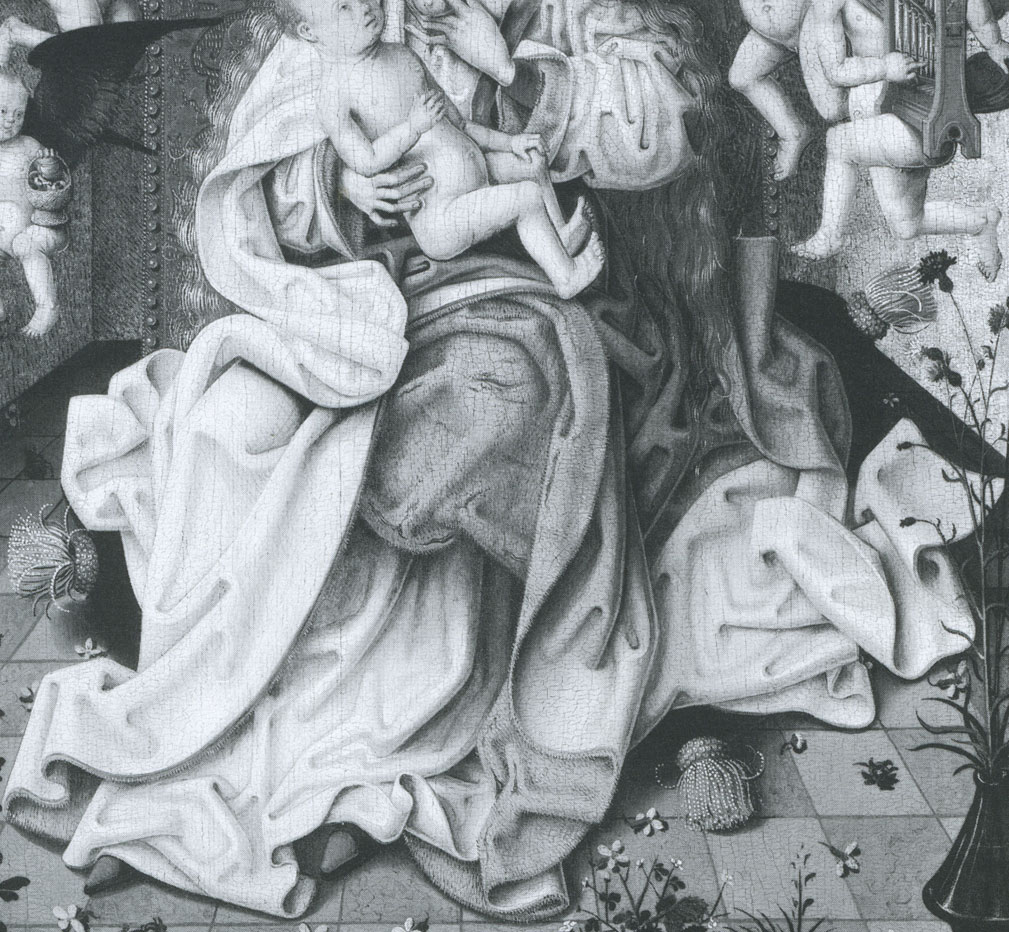
PN: … but back to the point. The following are details of paintings by The Master of St Bartholomew's Altarpiece:
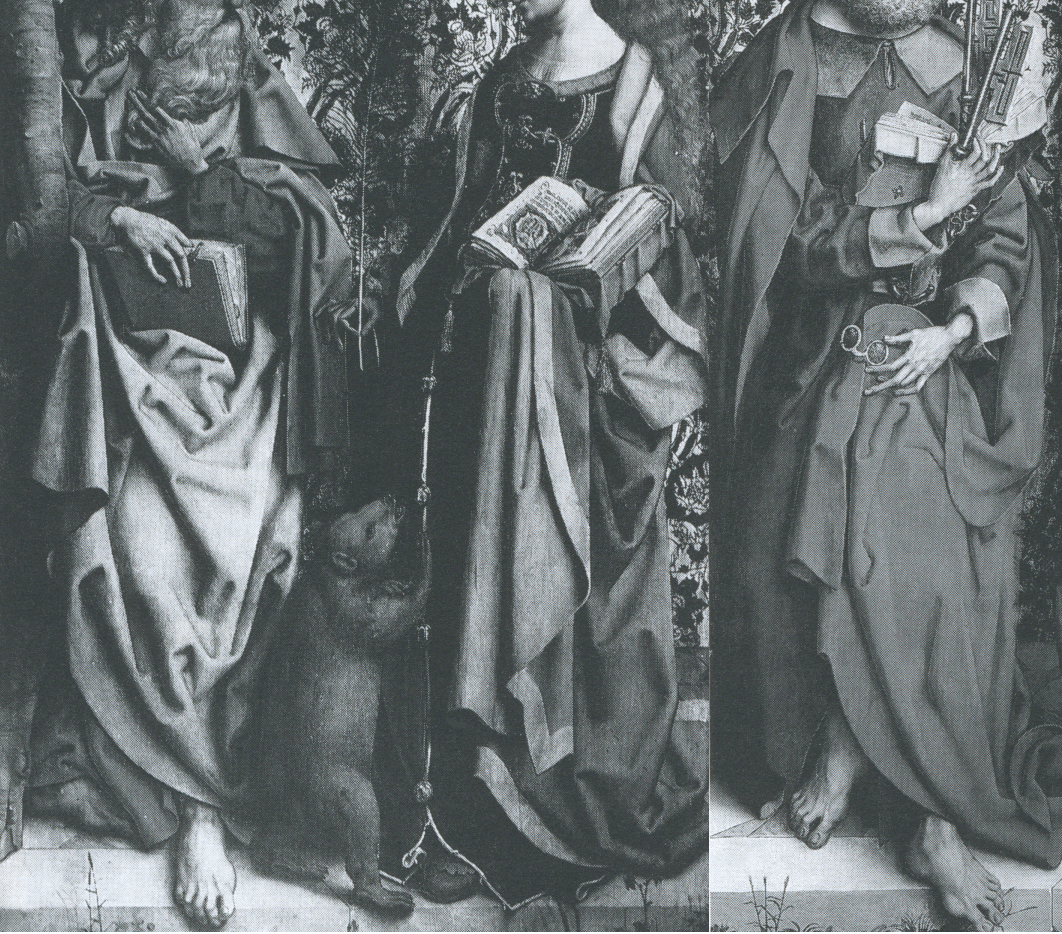
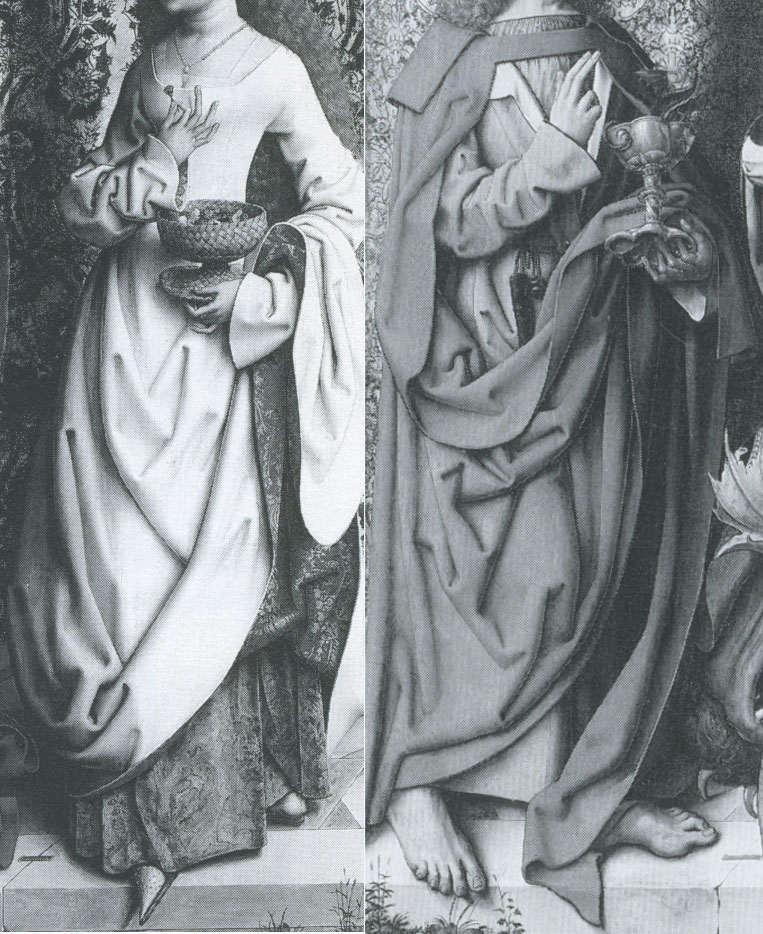
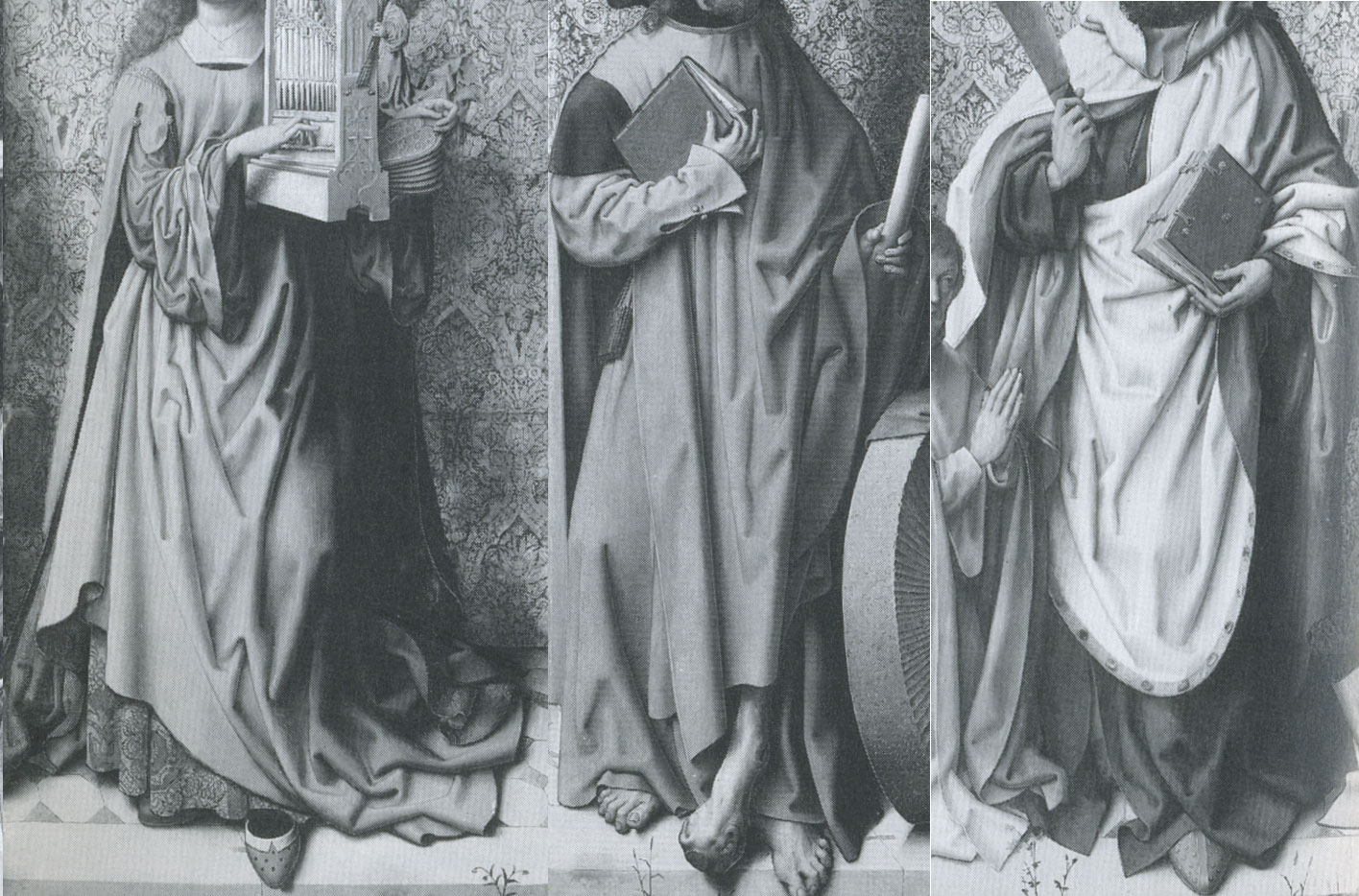
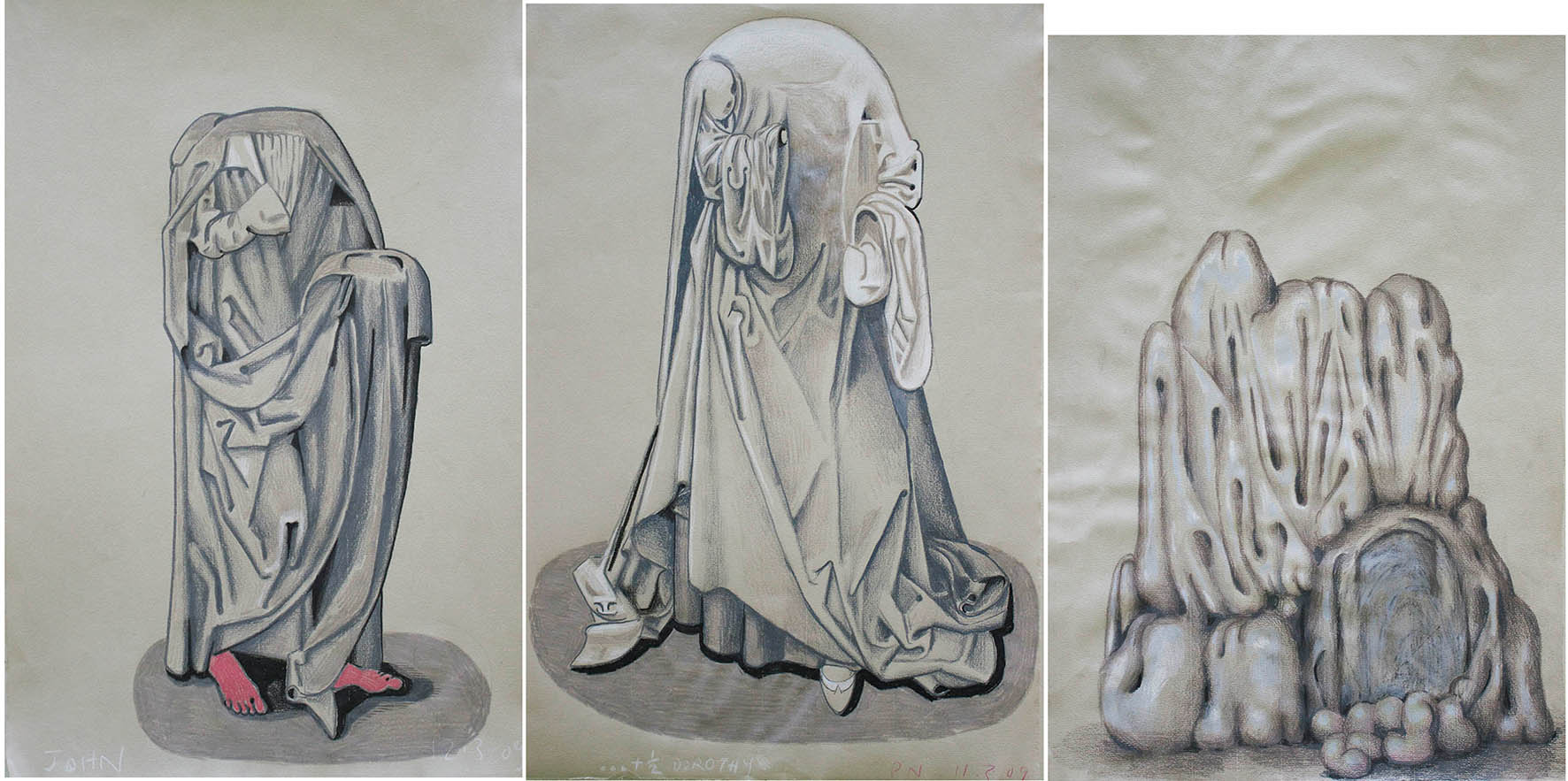
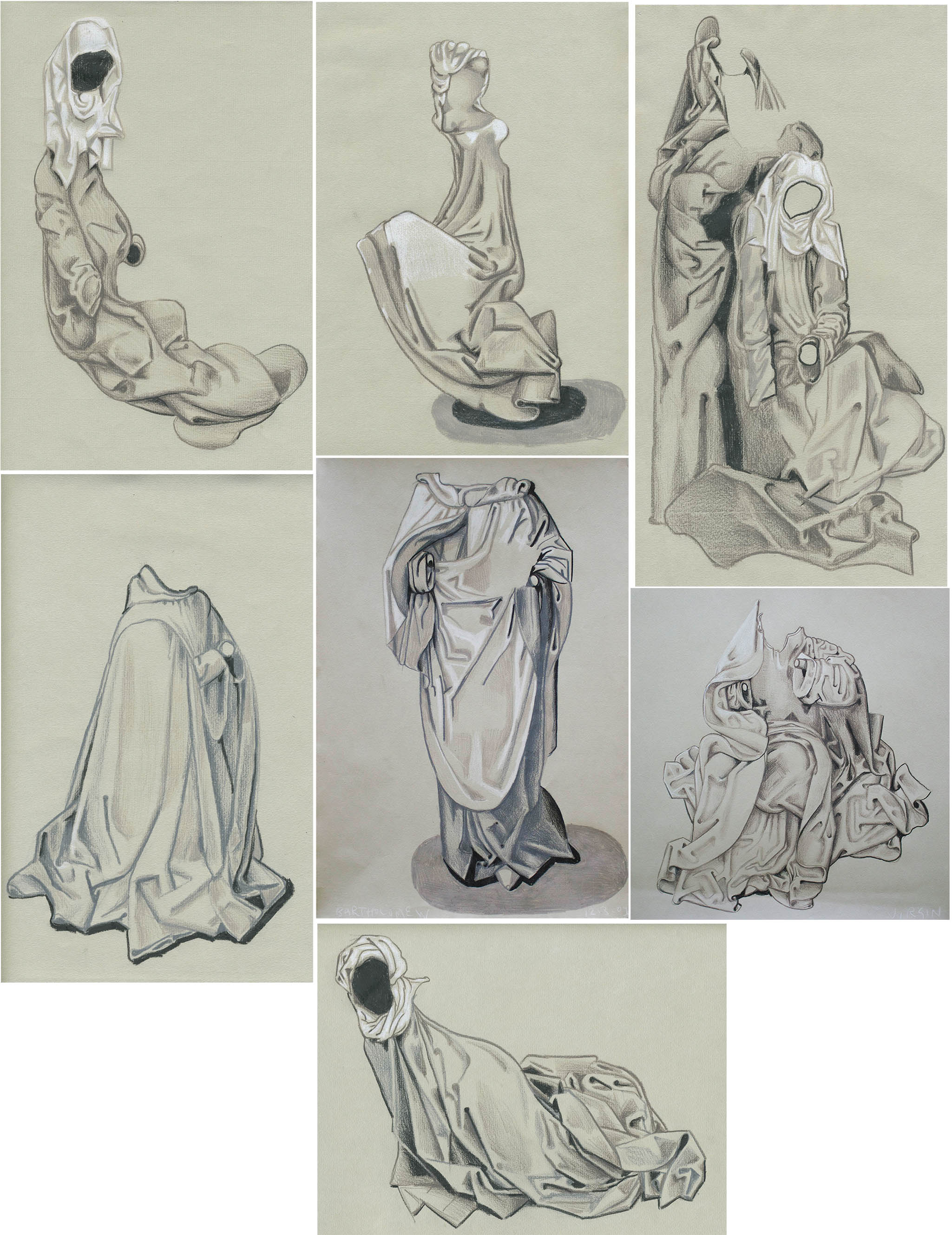
PN: A shroud.
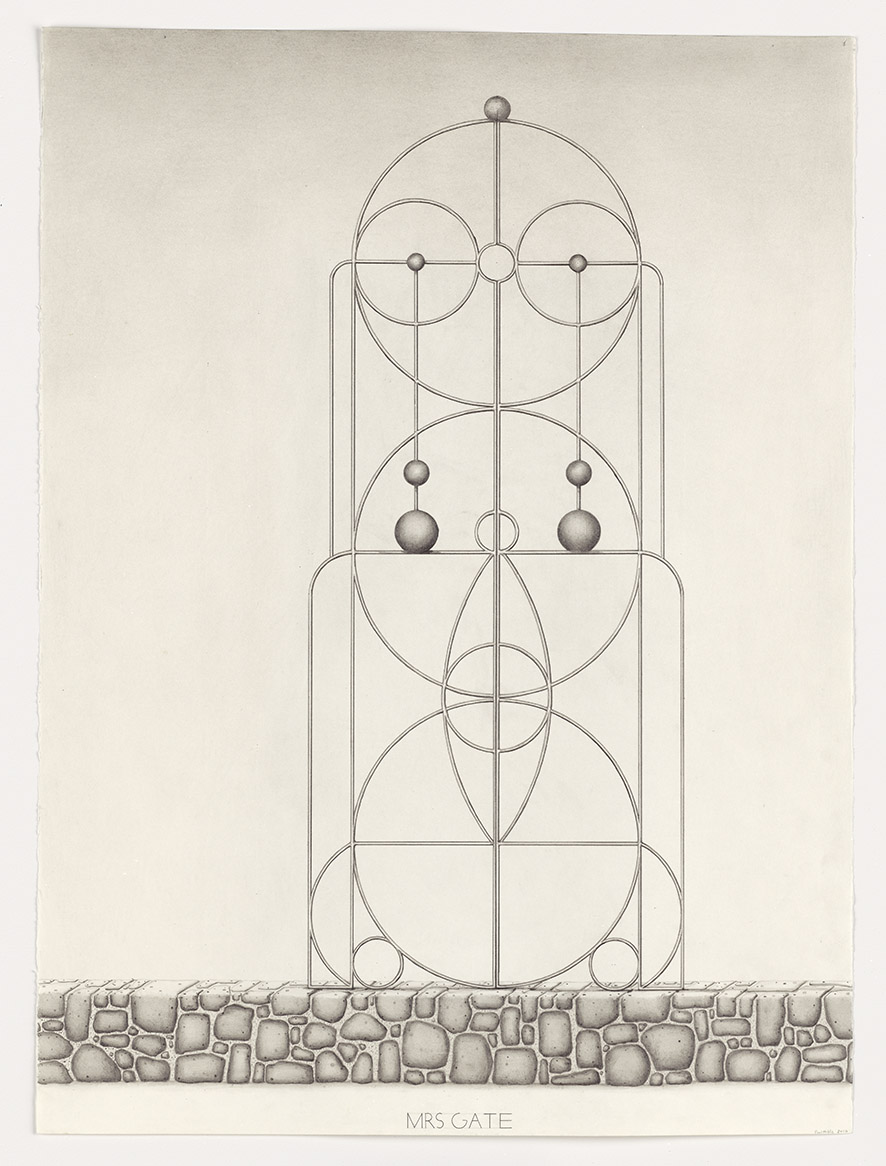
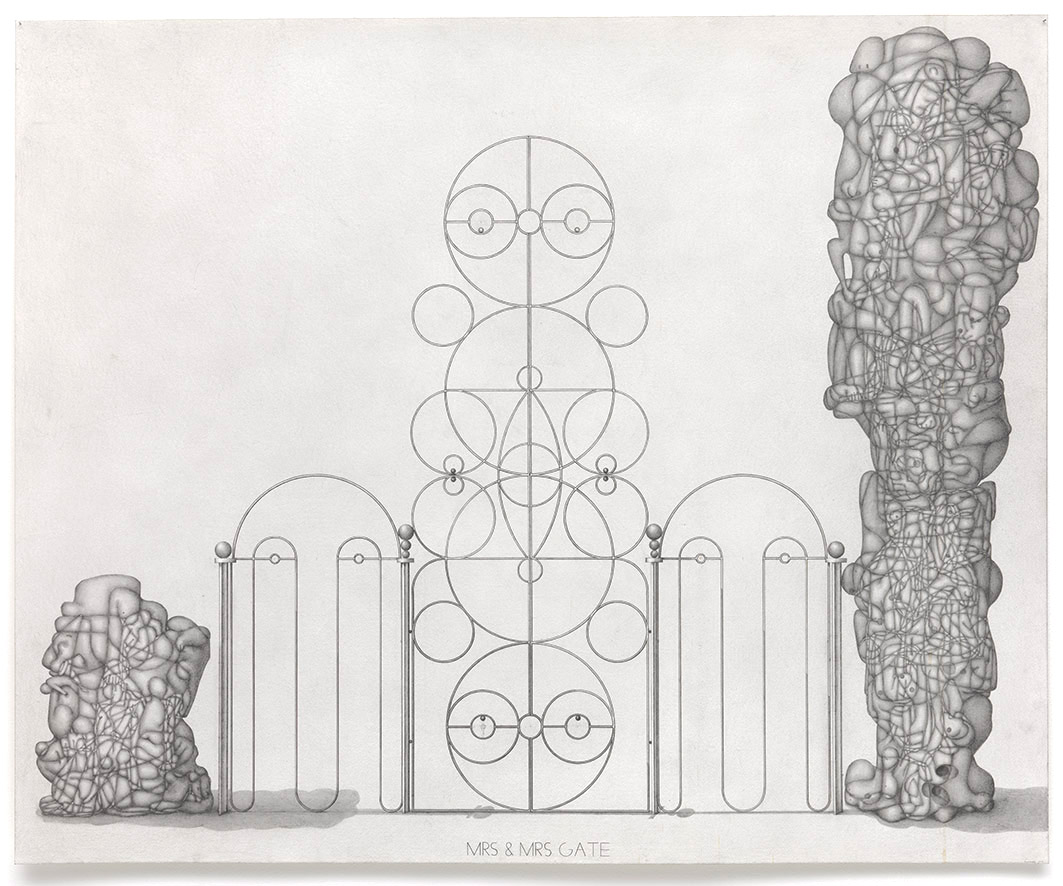
Some velvet morning I'm gonna open up your gate ...
PN: Passage. Birth.
