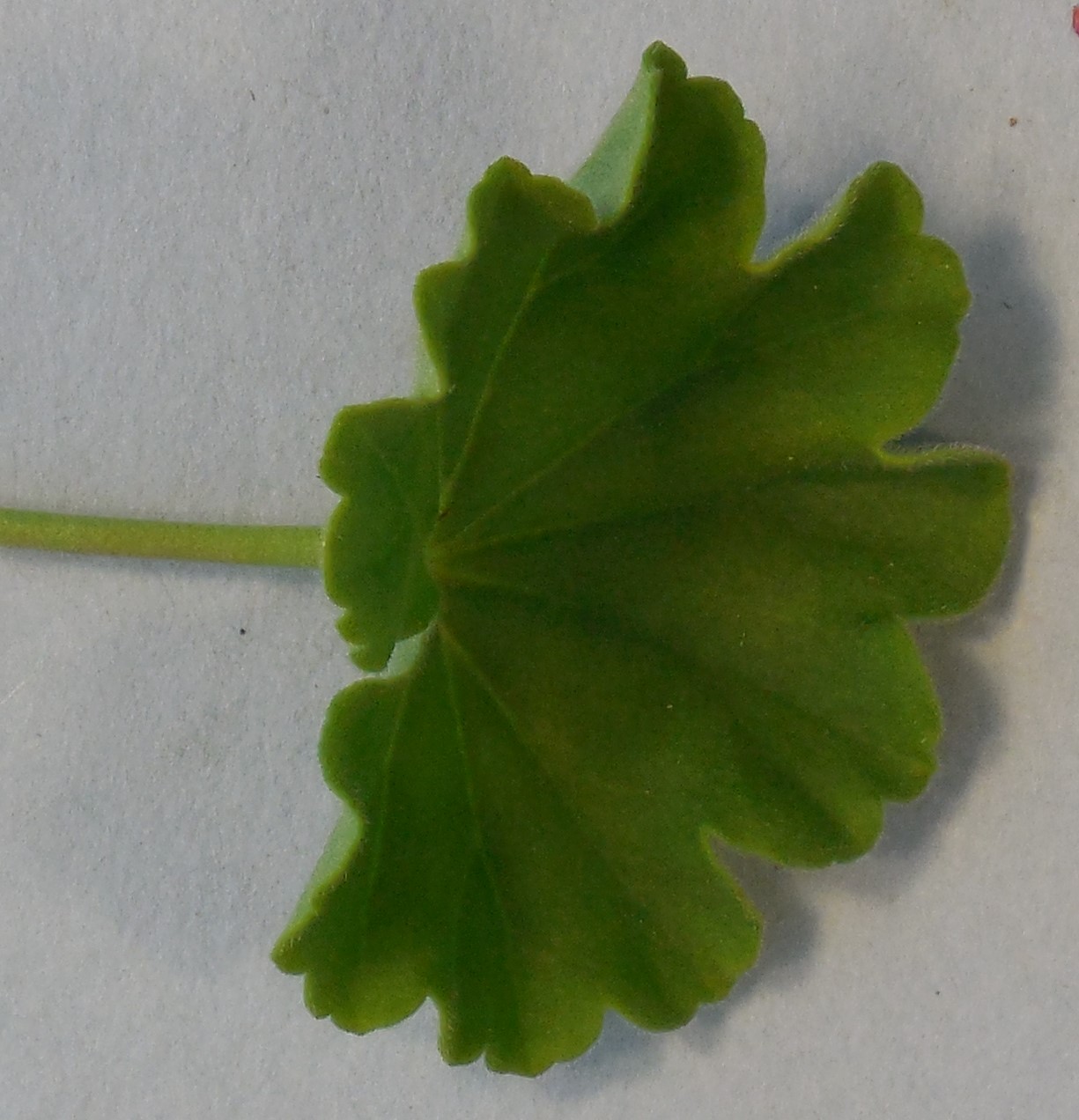
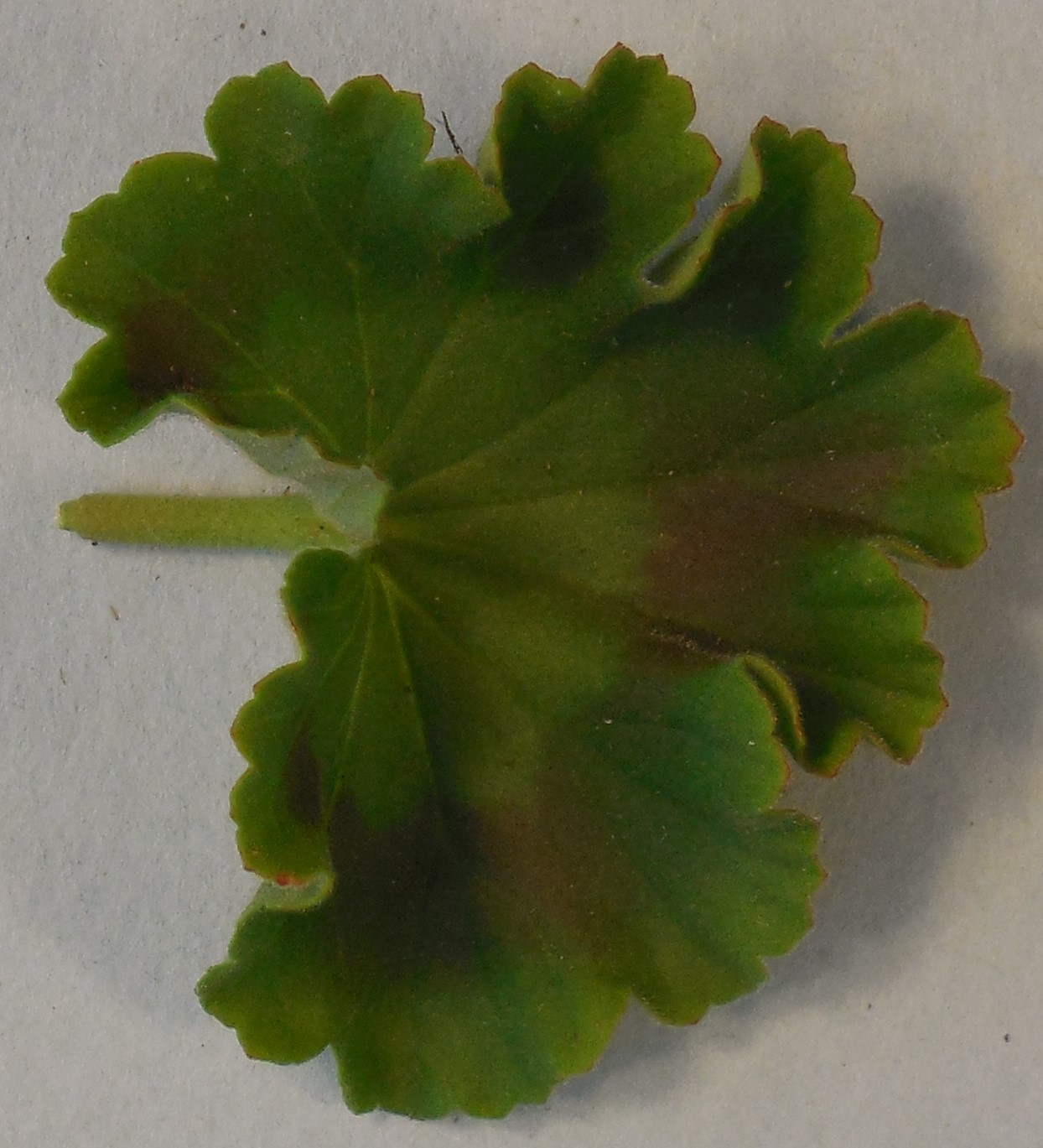
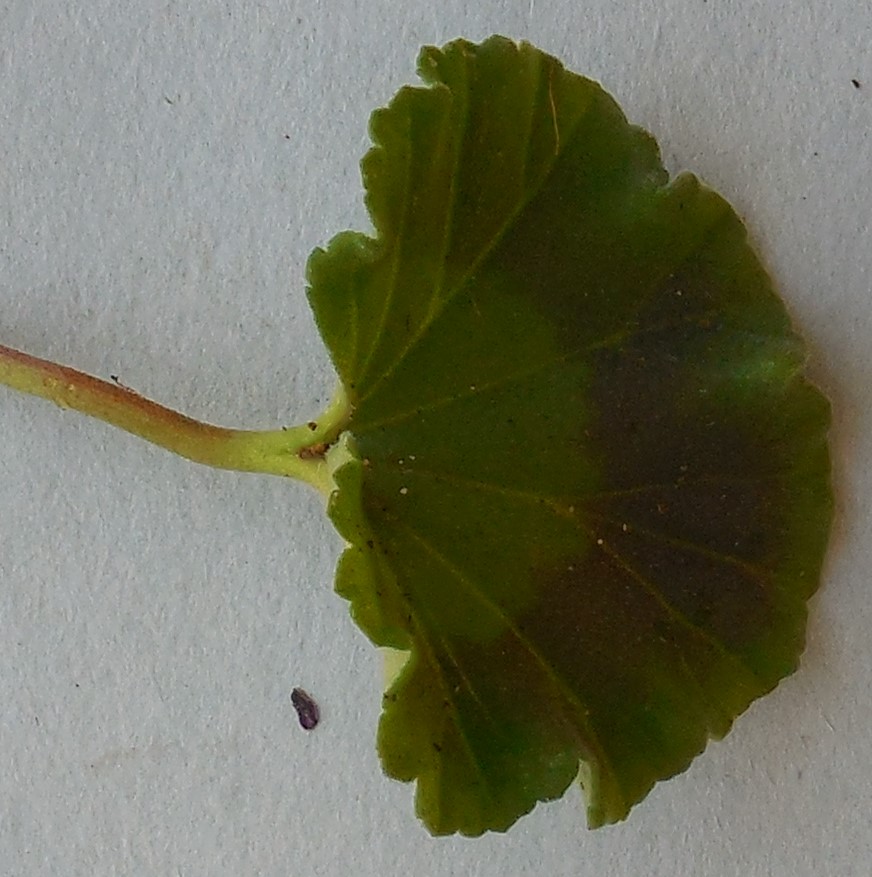
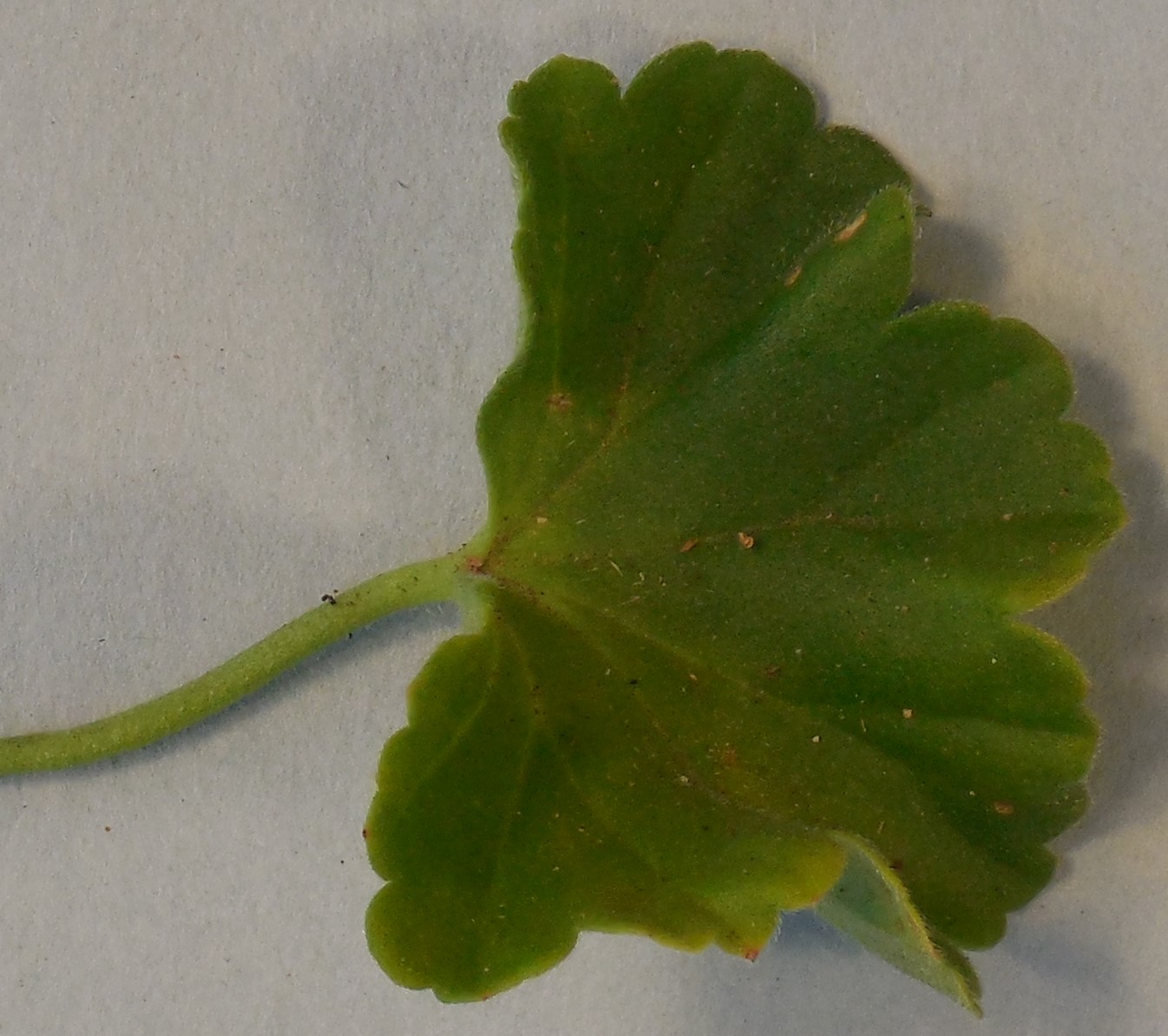
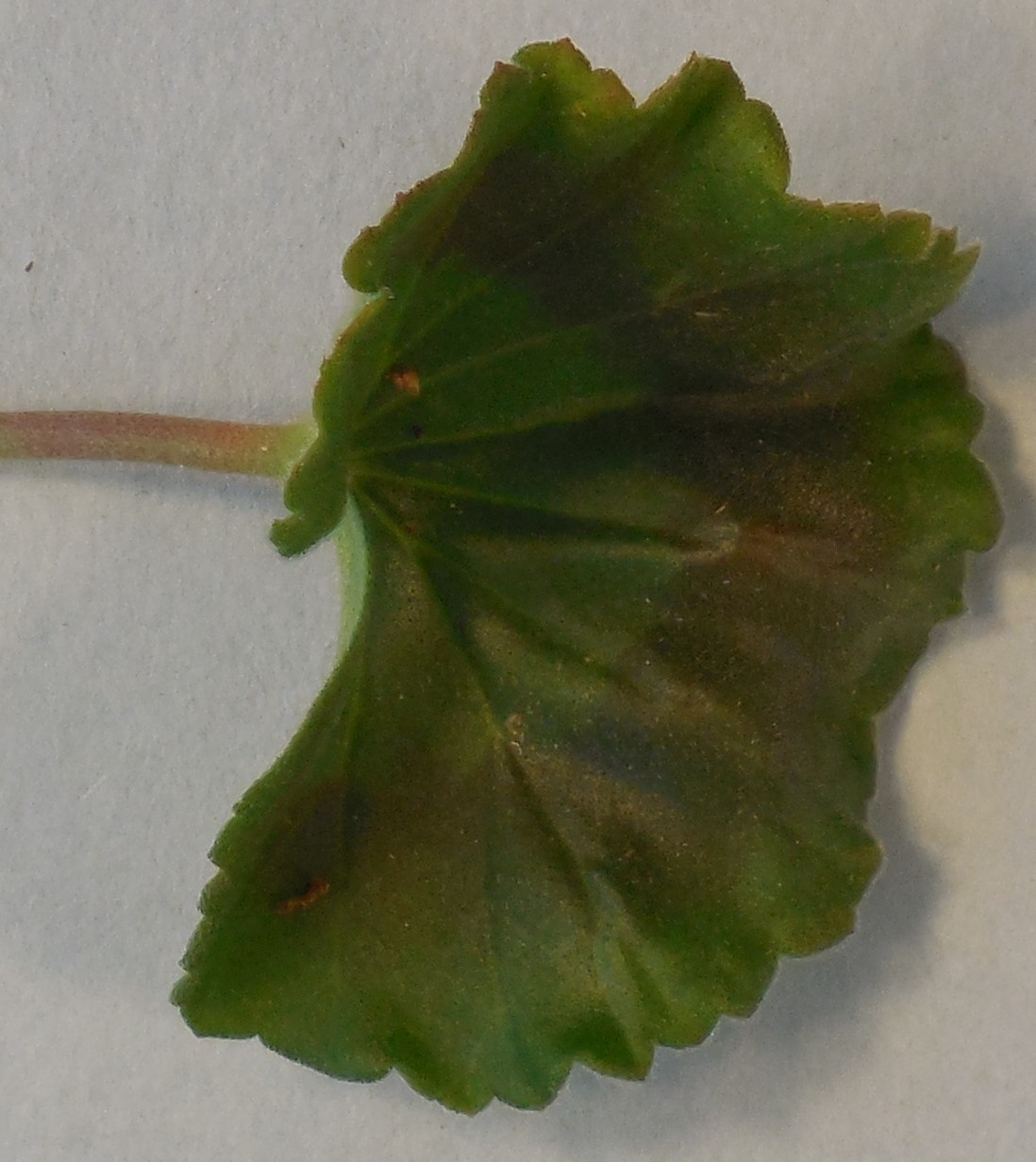
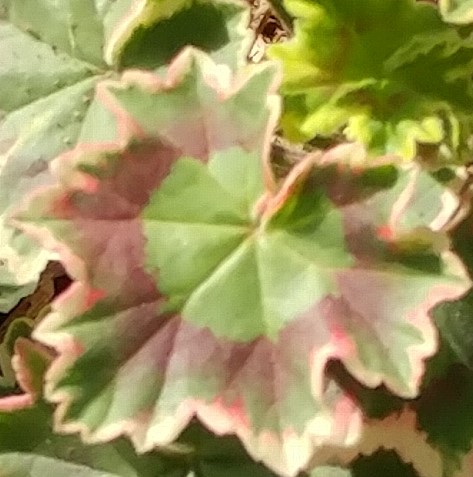
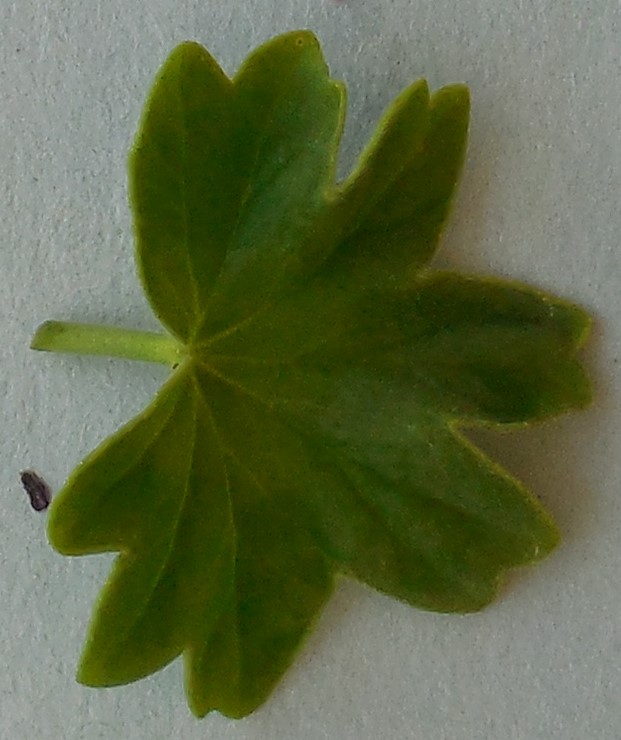
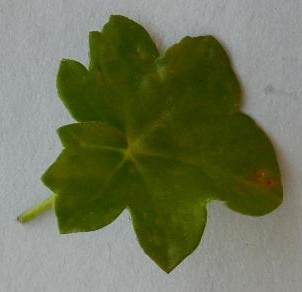
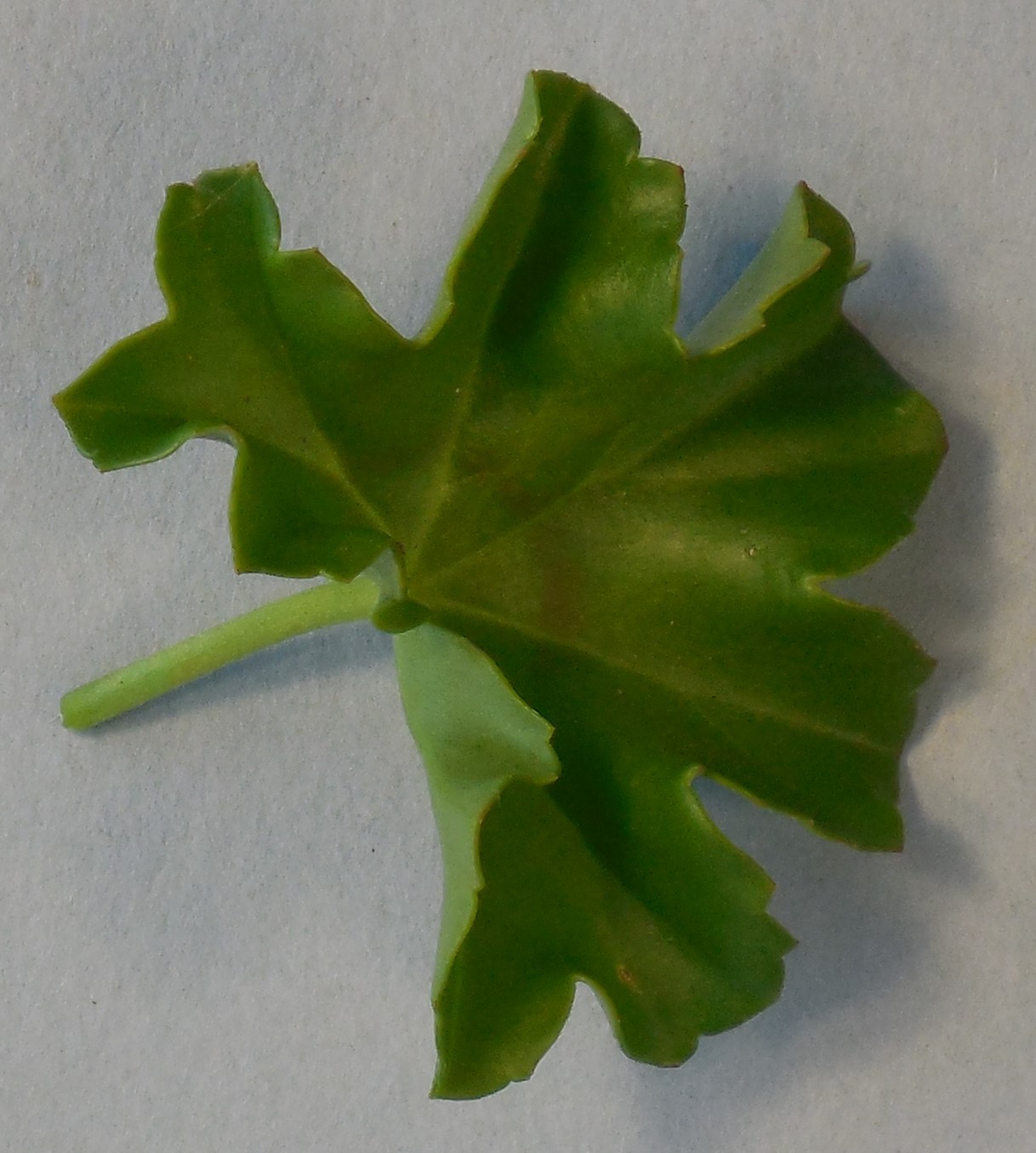
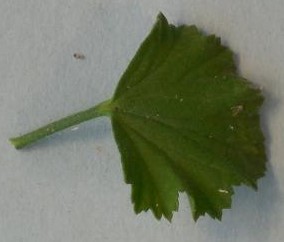
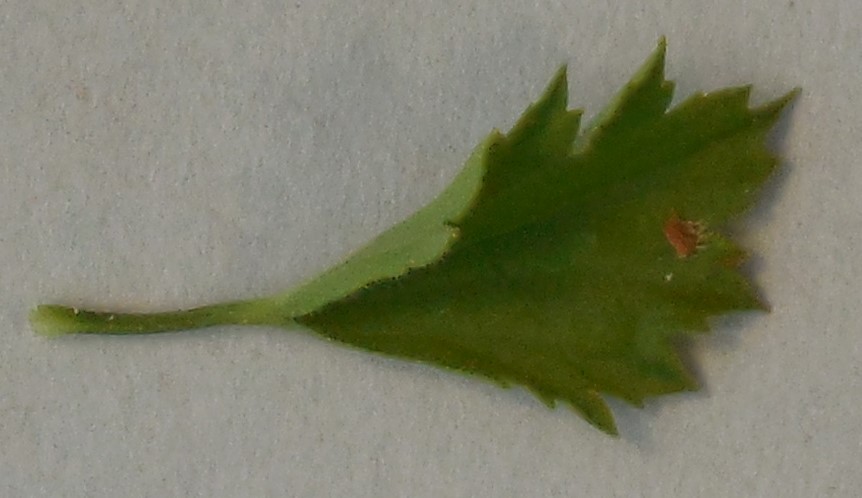
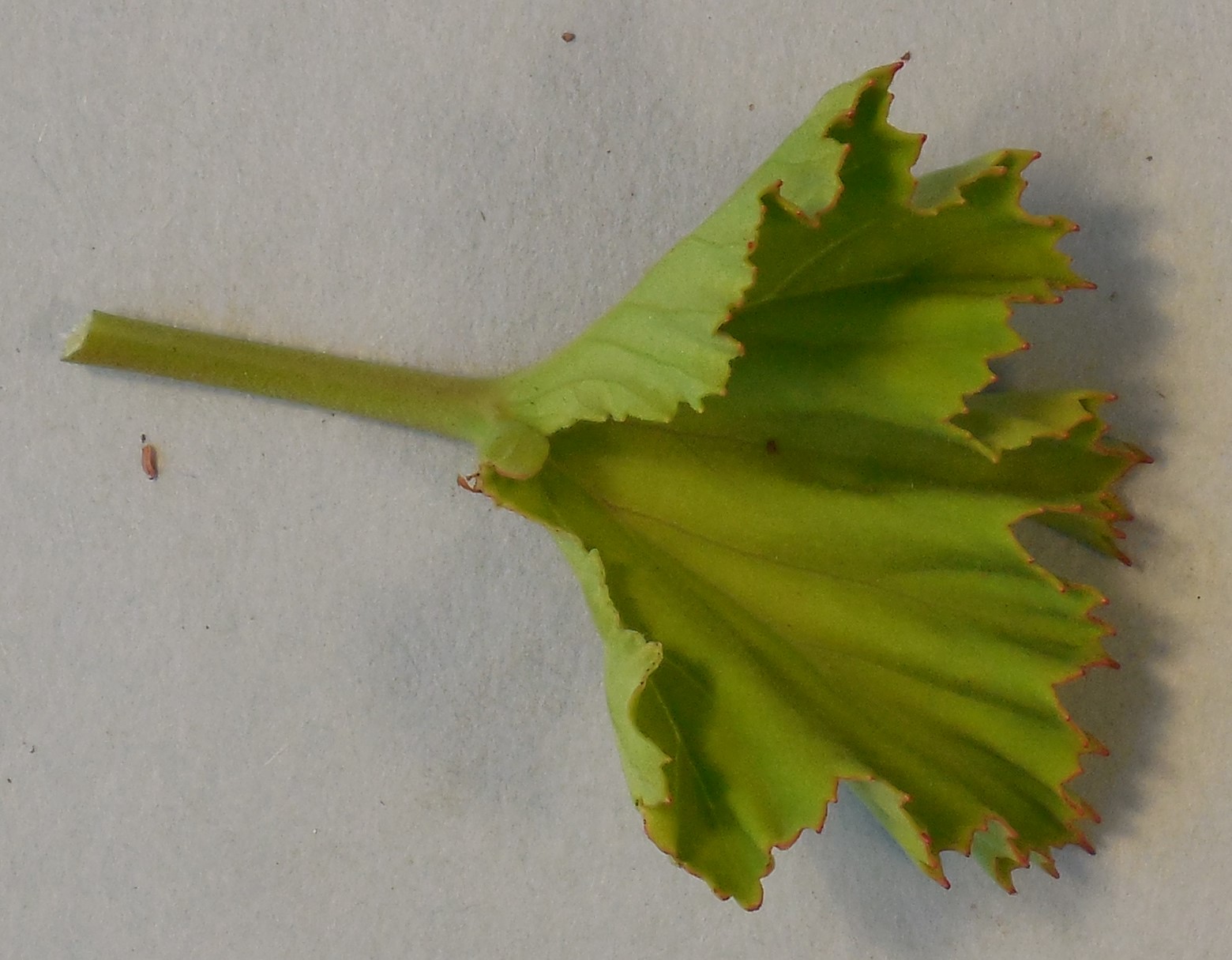
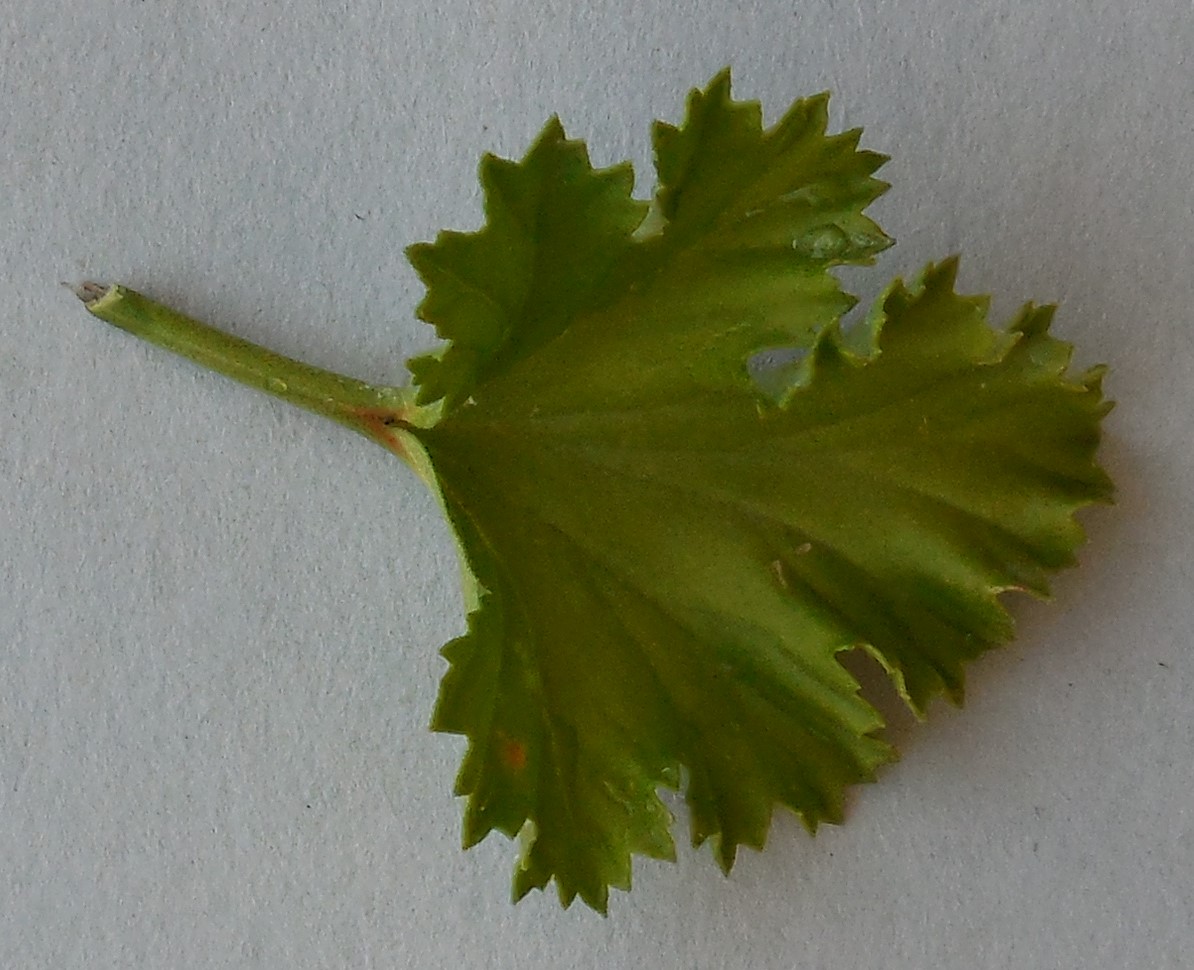
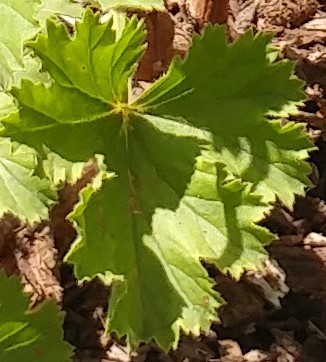
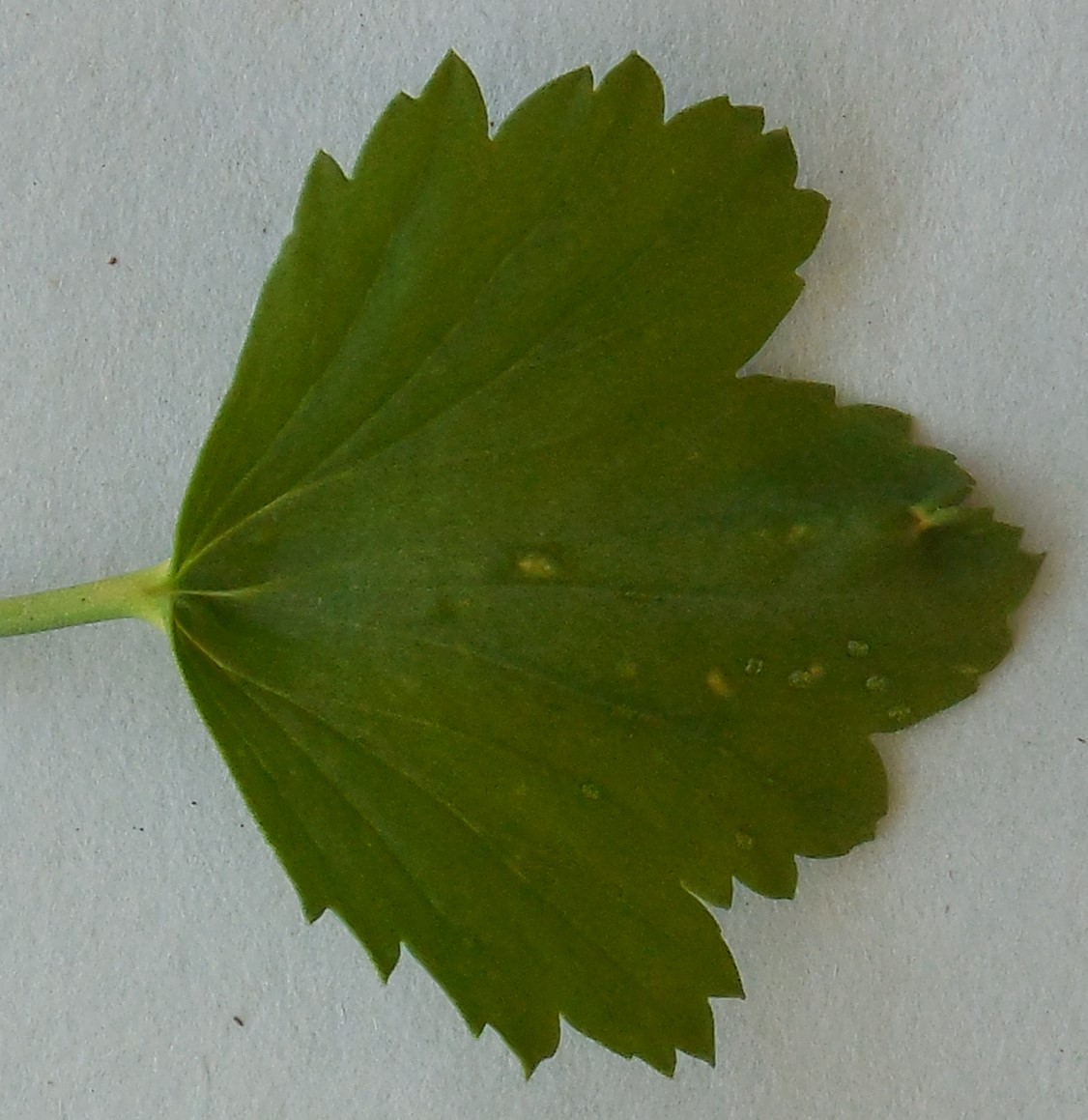
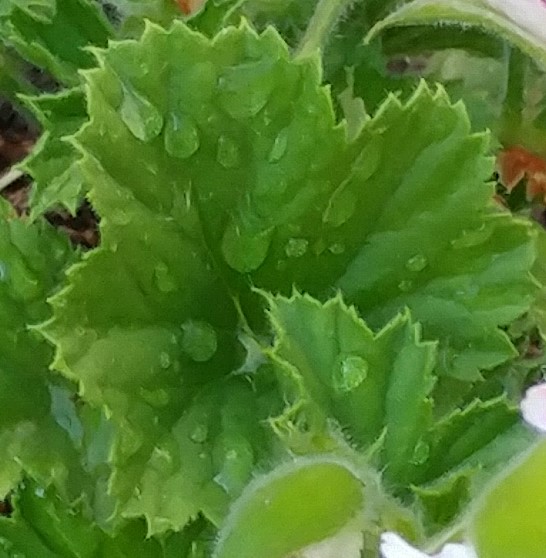
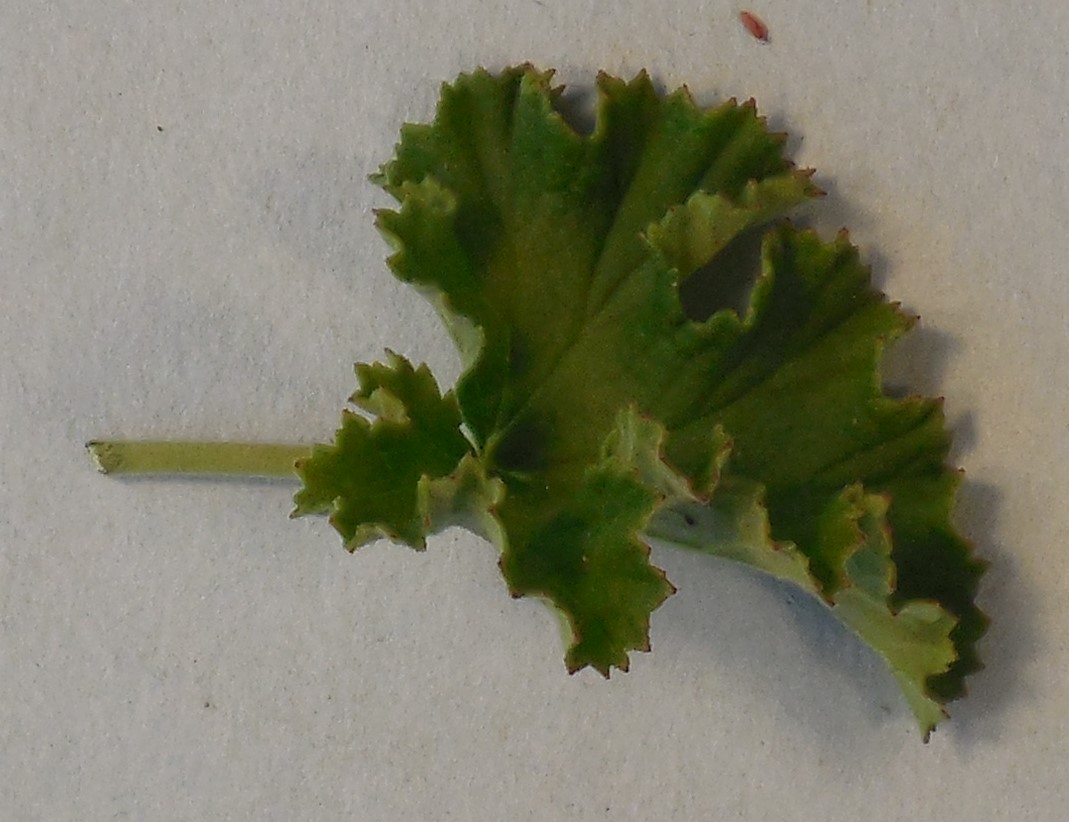
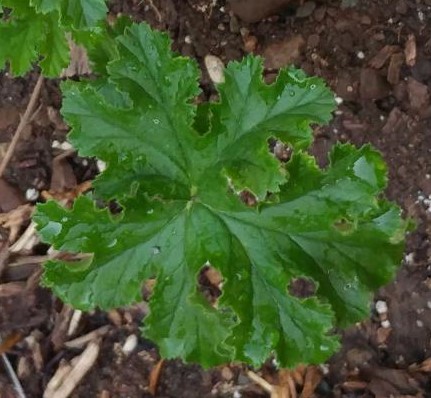
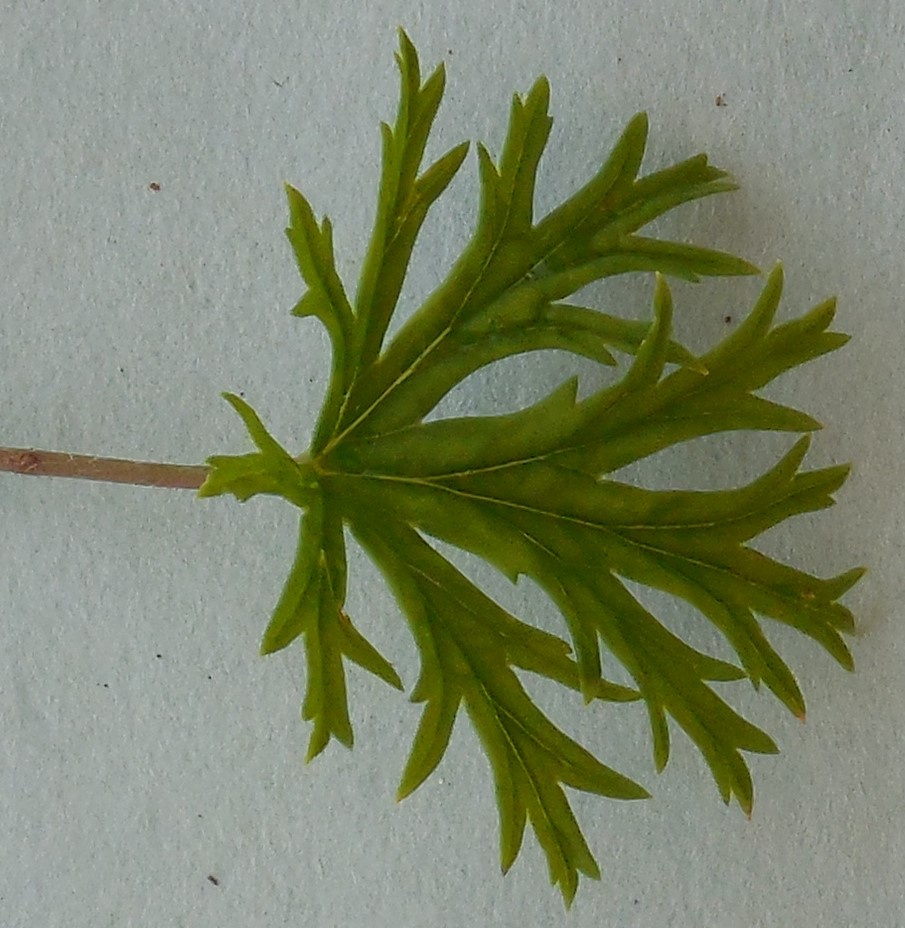
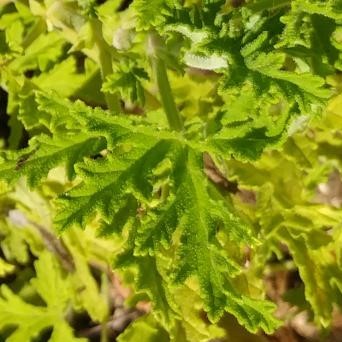
General InformationBackgroundGeraniales is a small order of flowering plants, including the families Geraniaceae and Francoaceae. This latter family has undergone significant regrouping based on molecular phylogenetics (DNA analysis) and now includes many tropical families such as Bersamaceae, Greyiaceae, Ledocarpaceae, Melianthaceae, Rhynchothecaceae, and Vivianiaceae that were previously classified in other orders. The Geraniales share similarity to roses, in that they have five petals, or showy parts (and normally 5 or 10 sepals), but unlike Roseaceae (which tend to have an indeterminate large number of stamens) Geraniales have 5, 10, or a multiple of 5 or 10 stamens (male parts). Generally the flowers are actinomorphic (radially symmetrical), and perfect (both male and female), with a superior ovary above the sepals that develops into a capsule (a fruit with a hard outer case) at maturity. Family compositionThe Geraniaceae includes five genera: Geranium, Pelargonium, Erodium, Sarcocaulon, Monsonia, plus a few small or monotypic families of limited geographic distribution.Plastid inheritance and stabilityGeraniums and Pelargoniums are interesting botanically in that they have the greatest degree of variability in their chloroplasts of any plant genera. The chloroplast genome of Pelargonium can exceed 200 kb; inversions, intron losses, and rapid chloroplast genome change are other common attributes of these genera. Many species exhibit the unusual feature of biparental plastid inheritance: in most flowering plants, plastids are inherited solely through the egg, while in biparental species plastids are transmitted to the next generation by both the egg and the sperm.Characteristics of the Geraniums and PelargoniumsThese genera are herbs or small shrubs, with lobed or deeply divided leaves, which can be opposite or alternate and generally have stipules. Flowers of most genera are actinomorphic (radially symmetrical); Pelargonium species and hybrids have slightly zygomorphic (bilaterally symmetrical) flowers. Sepals are usually five, united at the base; petals are usually 5, free along their entire length; stamens are usually 10, although some may be unfertile; the pistil is composed of five merged carpels topped by five free stigmas, and is superior. Flowers may be produced in cymes, umbels, or racemes. The fruits of Geraniaceae are unique in that the extremely elongate styles are hygroscopically active and curl when exposed to water, causing the achenes (seeds) inside the capsules to be released, thus the common name "cranesbills". Styles are persistent, and last for a long time after the seeds have been released.Taxonomic History of Geranium and PelargoniumThese two genera were separated in 1789 by the French botanist Charles L'Heritier on the basis of zygomorphic flowers and consistent fertile stamen number of seven in Pelargonium. Geranium has more plastic stamen number and actinomorphic flowers. Generally, Pelargoniums have flowers in which three petals project downwards and two project upwards relative to the base of the plant. The upper petals often are distinctly marked, especially in Martha Washington and Angel types. Often, streaks of color appear at the bases of the petals, not associated with vein color as in Geraniums. In addition, Pelargonium is native mostly to South Africa, and is subtropical, while Geranium has much a wider, mostly temperate distribution. Subgenera designation within Pelargonium continues to be contentious and rapidly changing, based on molecular analysis and chromosome length. Previous subgeneric classifications based on plant (specifically foliar) morphology have been found to support paraphyletic groupings and have recently been largely negated by modern analyses based on DNA evidence. Cultivation History
Recorded cultivation of Pelargoniums began in the early 1600s with seed imported from South Africa to
the botanical garden in Leiden, followed by the introduction in 1631 by John
Tradescant of Pelargonium triste to English gardens. By the early 1700s,
Pelargonium triste, P. odoratissimum, P.vitifolium, P. inquinans, P. zonale, and P. peltatum
were in cultivation in Europe. Because the plants are easy to propagate by
cuttings, and hybridize regularly, there are many horticultural variants,
collectively termed P. x hortorum. Early hybrids were not systematically
categorized, but as interest in plant societies and hybridization rose in the
early 1900s, Pelargoniums were split into categories based on the perceived
origin of their vegetative habit. In 1950, the American botanist Spalding collected and documented many of the
horticultural varieties of Pelargoniums and his list, published in 1972 by the
International Geranium Society, forms the basis of modern exhibition
types. The Pelargonium and Geranium Society is the cultivar registry authority for registration of modern Pelargonium
(and Geranium) hybrids (
http://thepags.org.uk/
Hybrid ClassificationLeaf TypesPelargoniums are classified primarily based on plant shape and leaf characteristics; these two criteria are the primary and most important ways the plants are defined. The six groups of Pelargoniums are Zonal (Z), Ivy-Leaved (I), Regal (R), Angel (A), Unique (U), Scented-Leaved (Sc), and Species; occasionally Angel, Unique, and Scented-Leaved are combined into a class called Species Derived (Sppd), as these tend to be closer to species, with fewer hybrid or plant selection and breeding generations than Zonal, Ivy-Leaved, and Regal. Each of these types has a very specific "look", and careful observation of the overall shape of the plant will give clues to how best to classify it. These groups are described in greater detail below, including the characteristics used to describe them. A key follows:
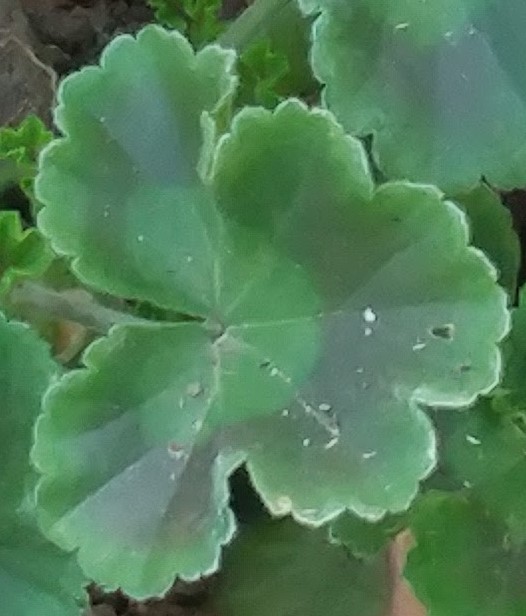
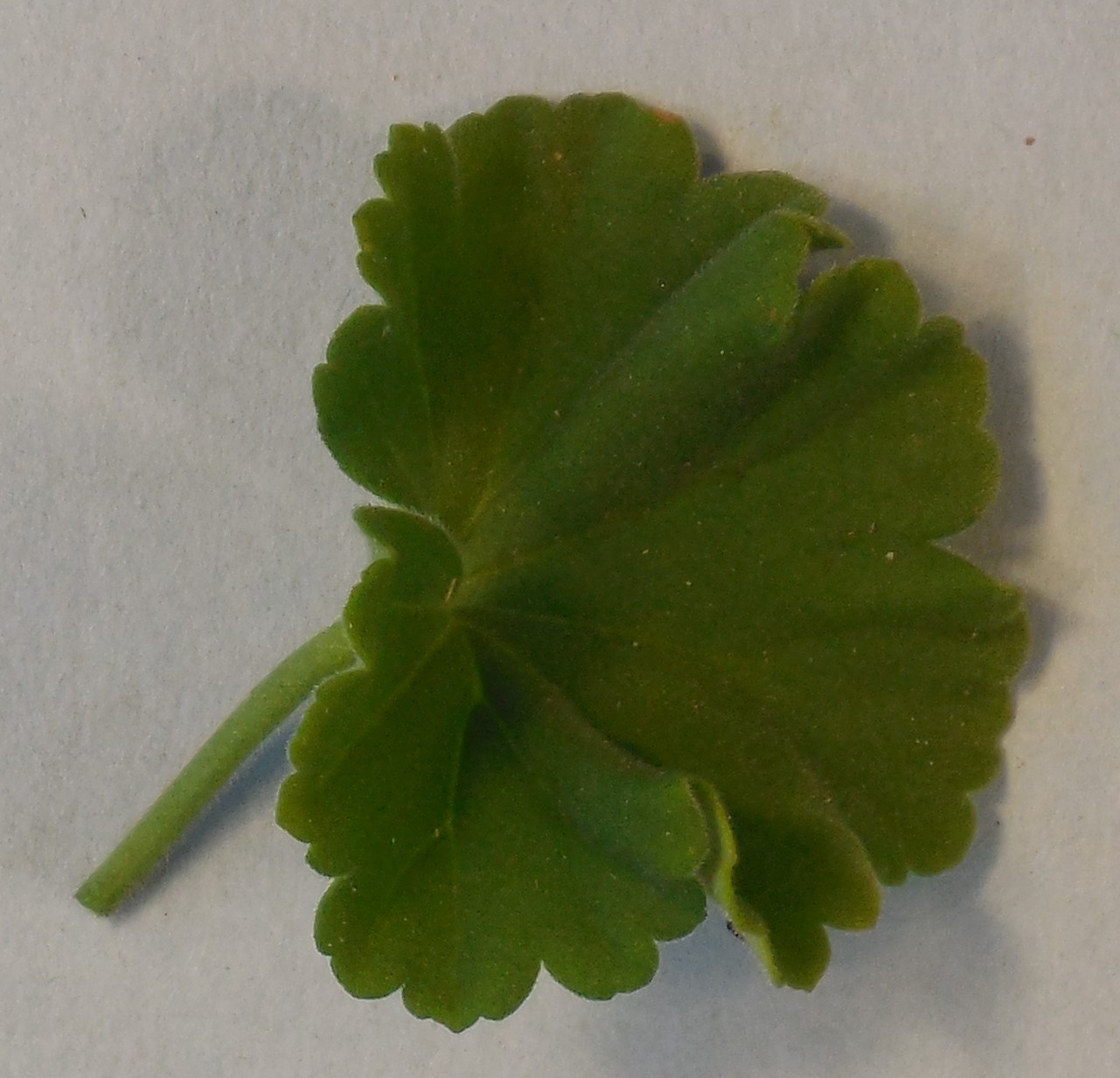
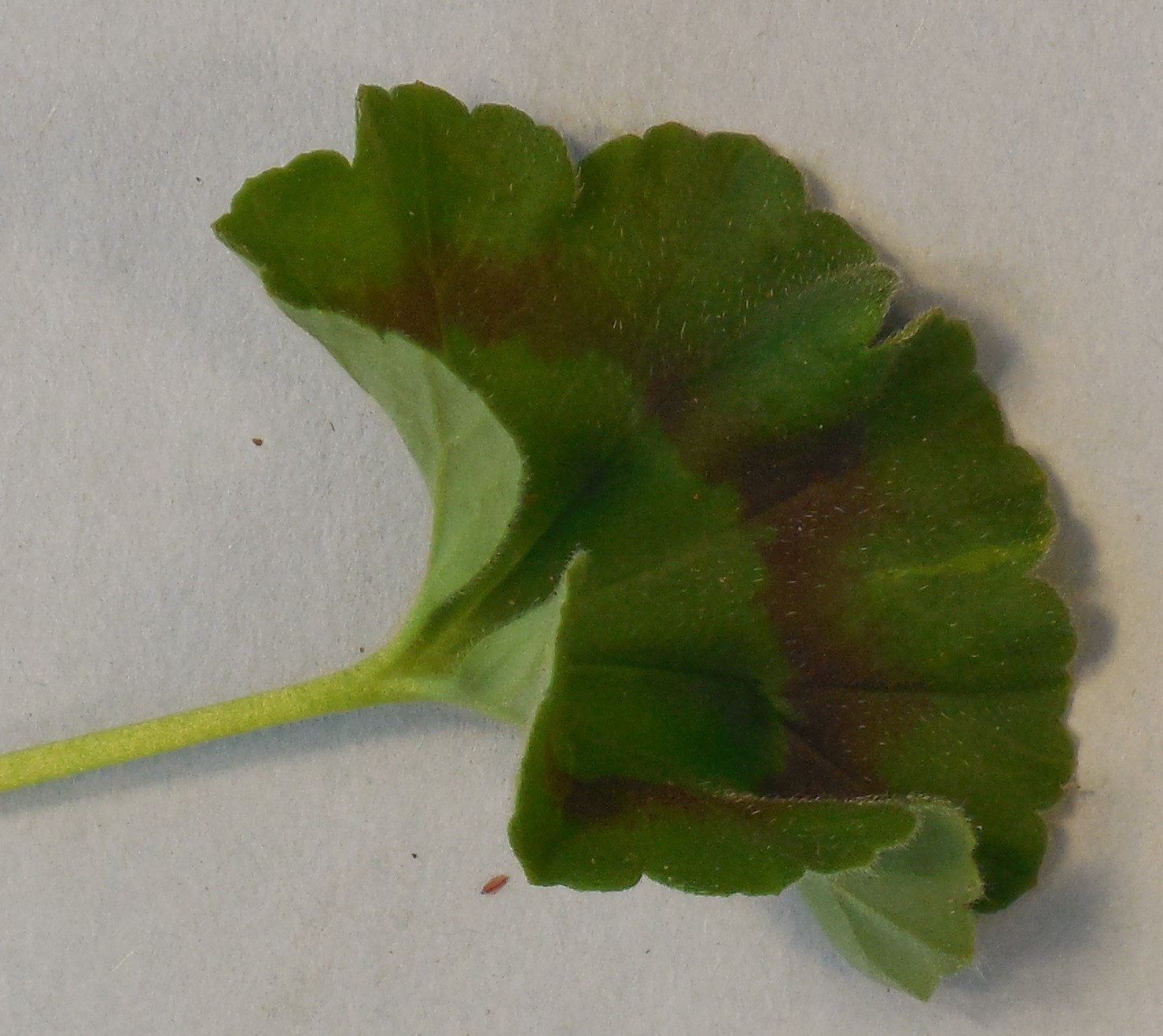
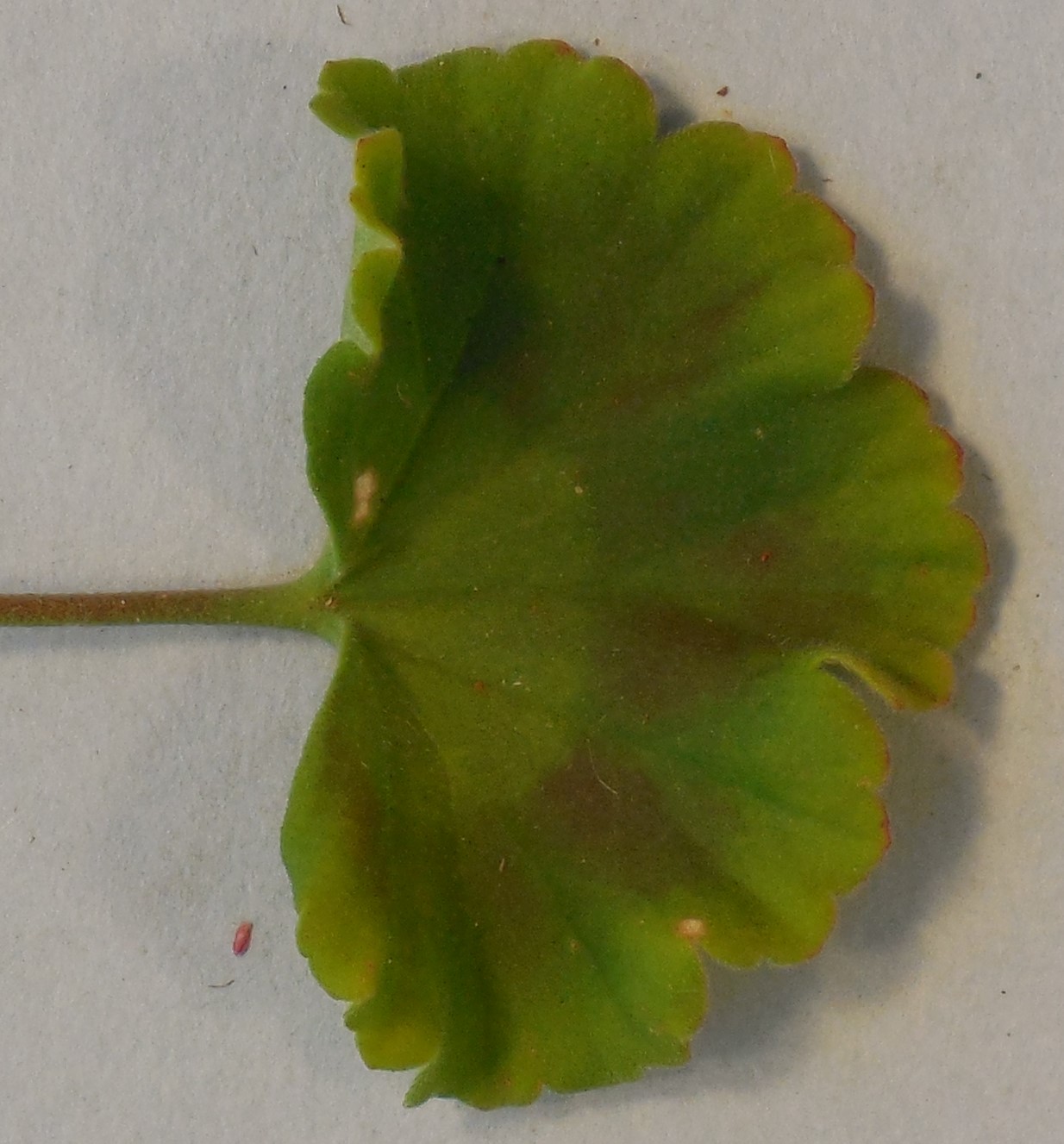
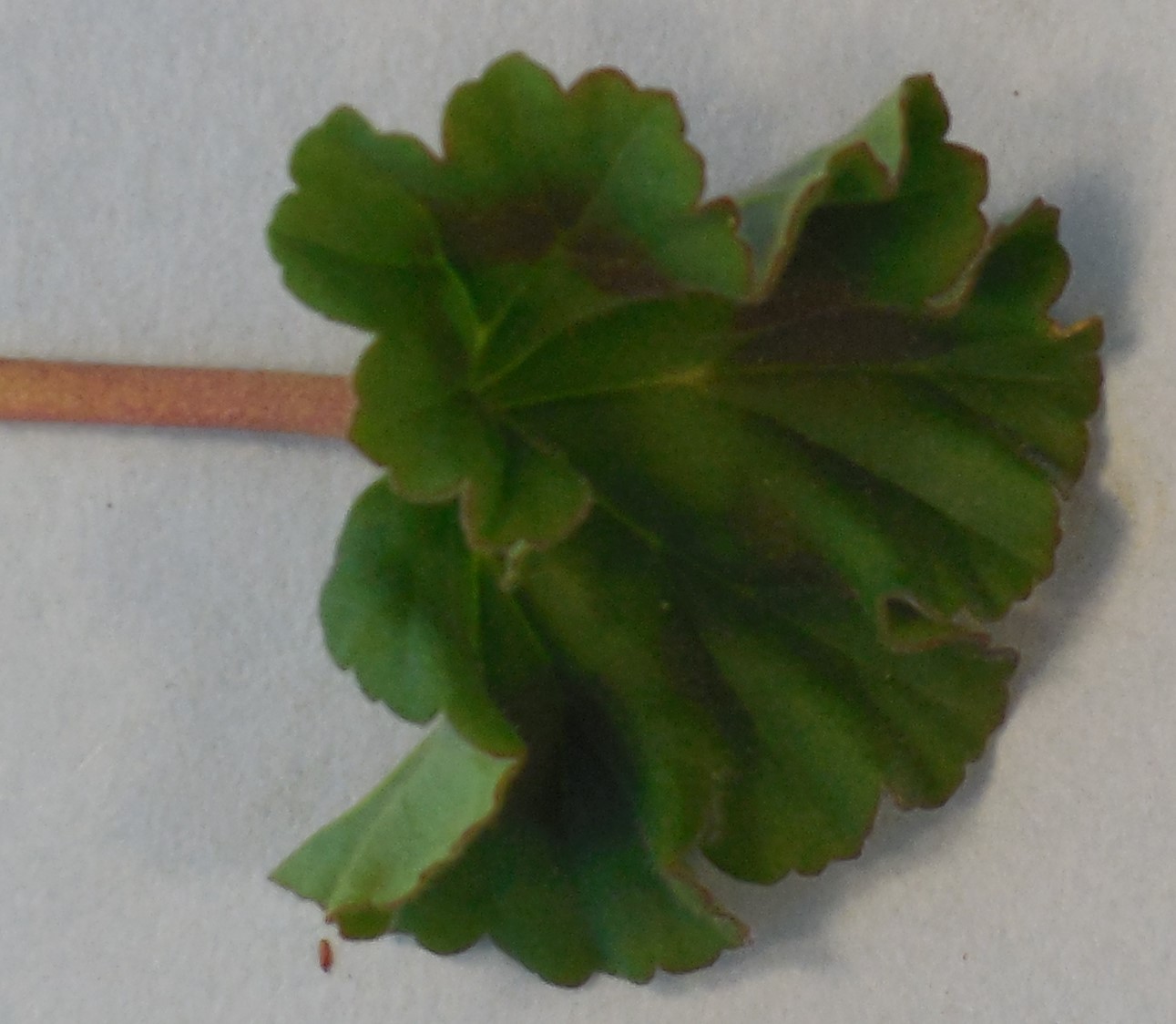
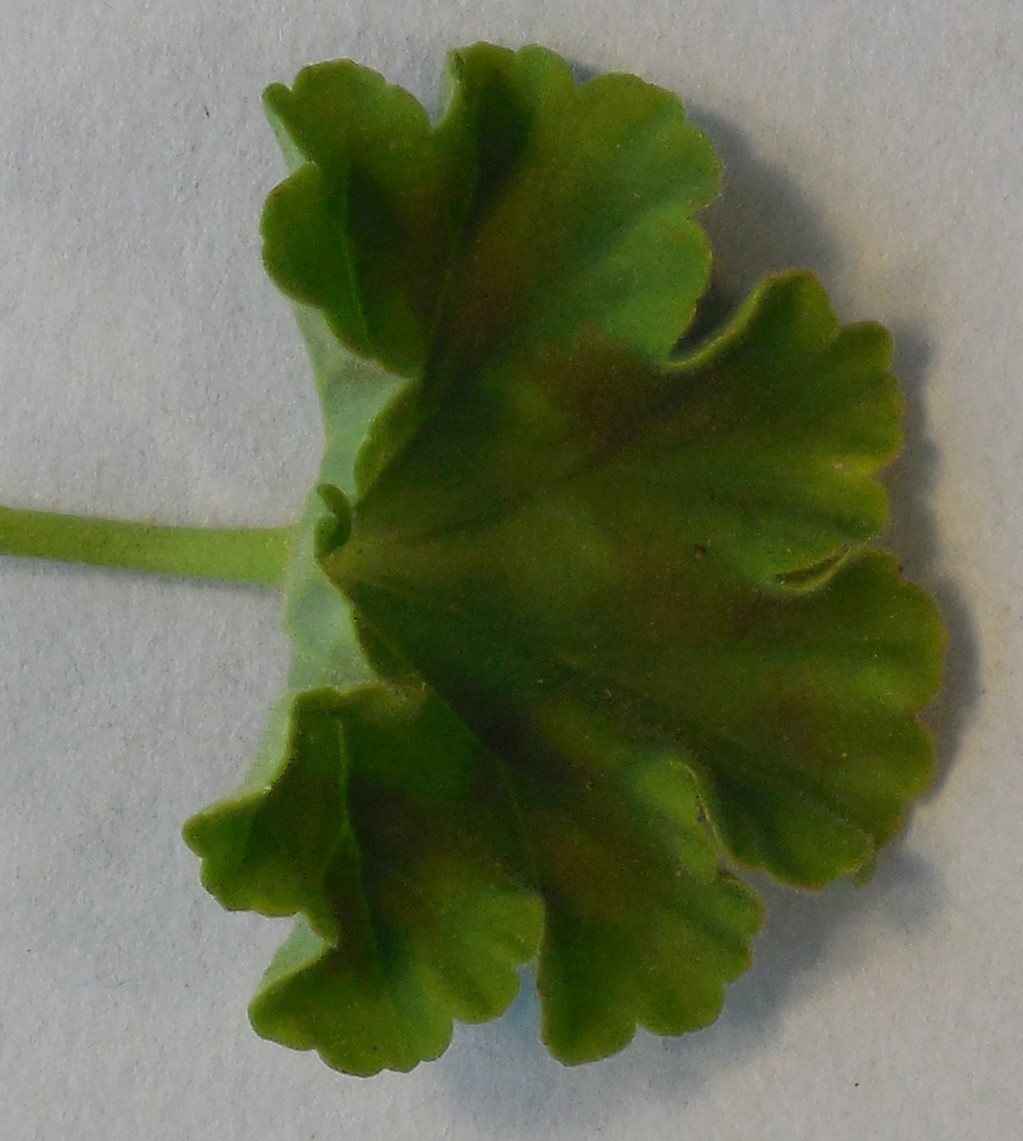
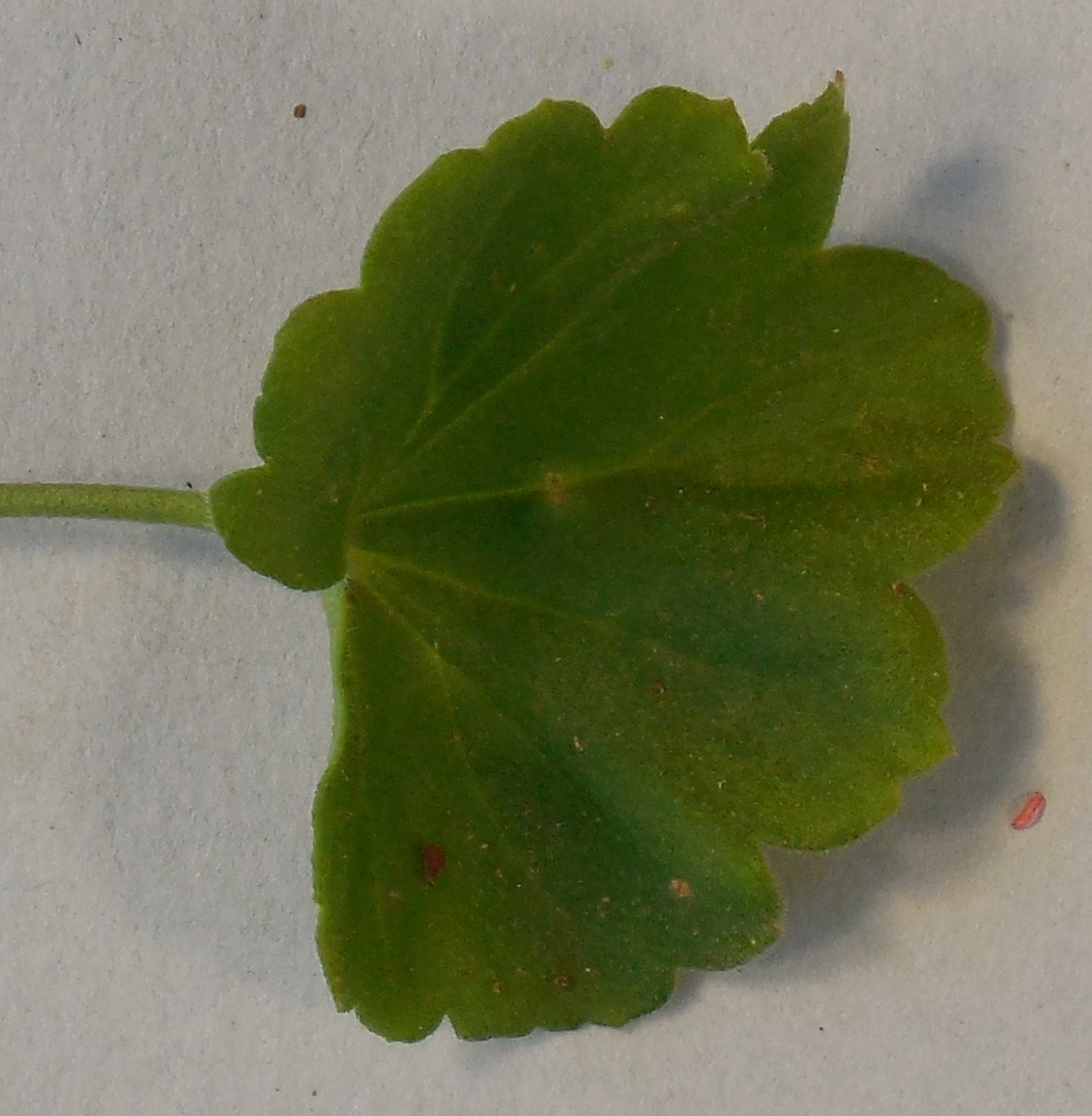
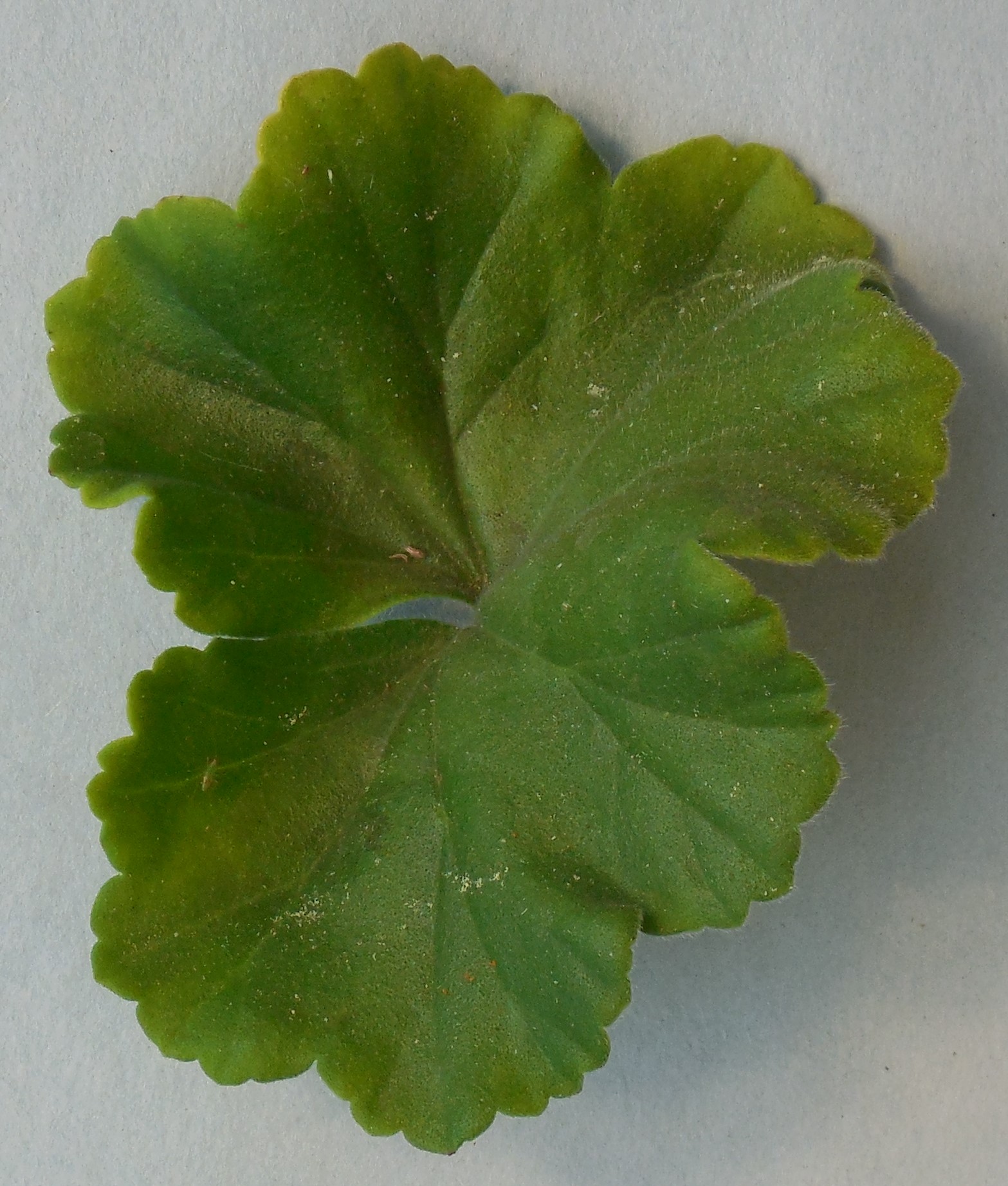
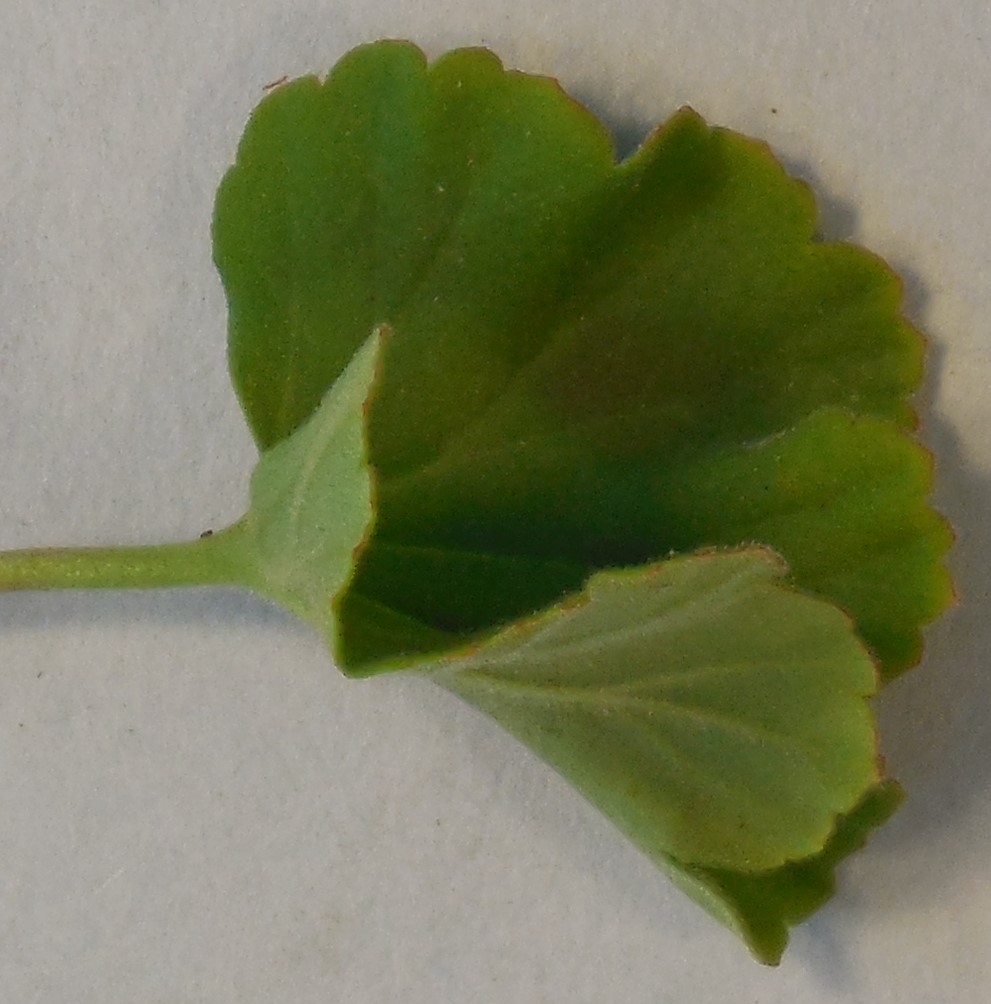
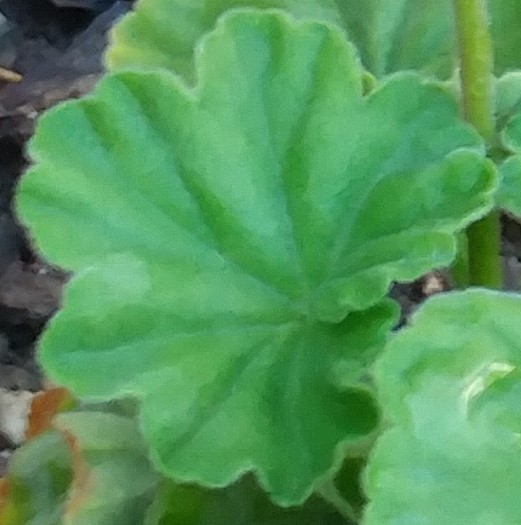
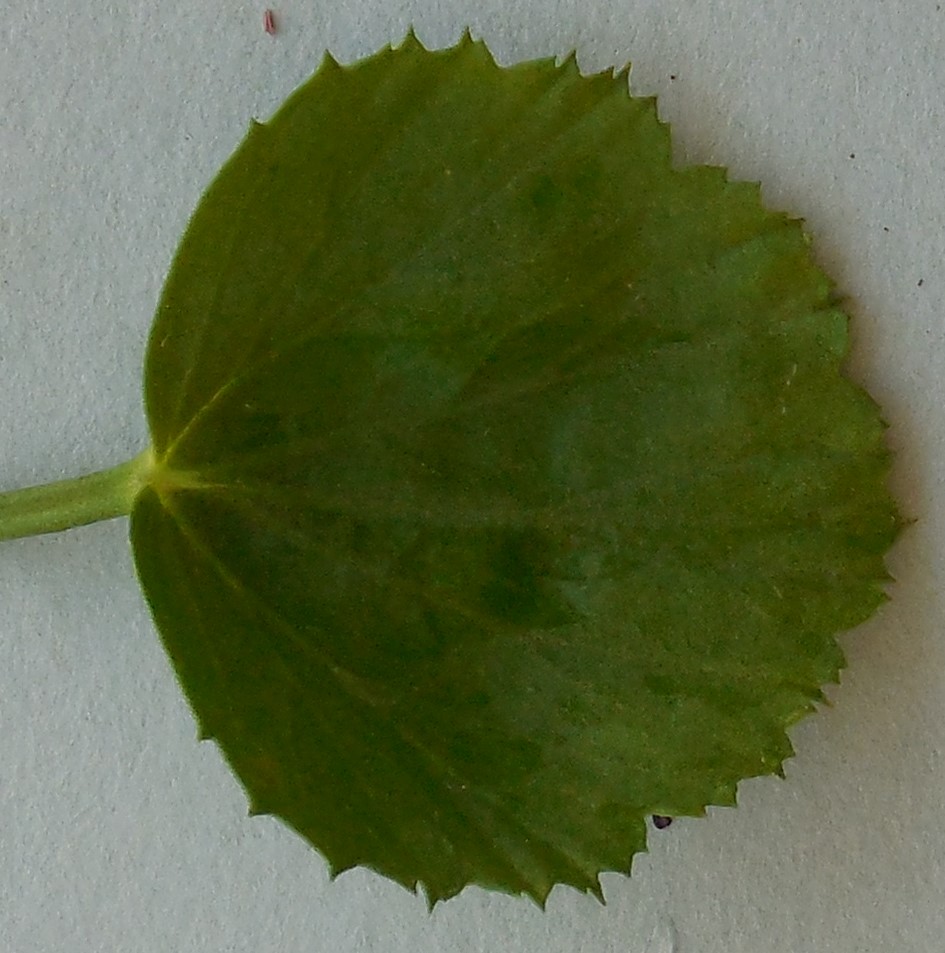
Zonal: plants have fuzzy, rounded leaves, thick, almost succulent stems, and long flower
stems, topped by umbels of 5-20 flowers.
The following definitions, terminology, and type classification systems are excerpted in part from the webpages of The Geranium and Pelargonium Society. Zonal
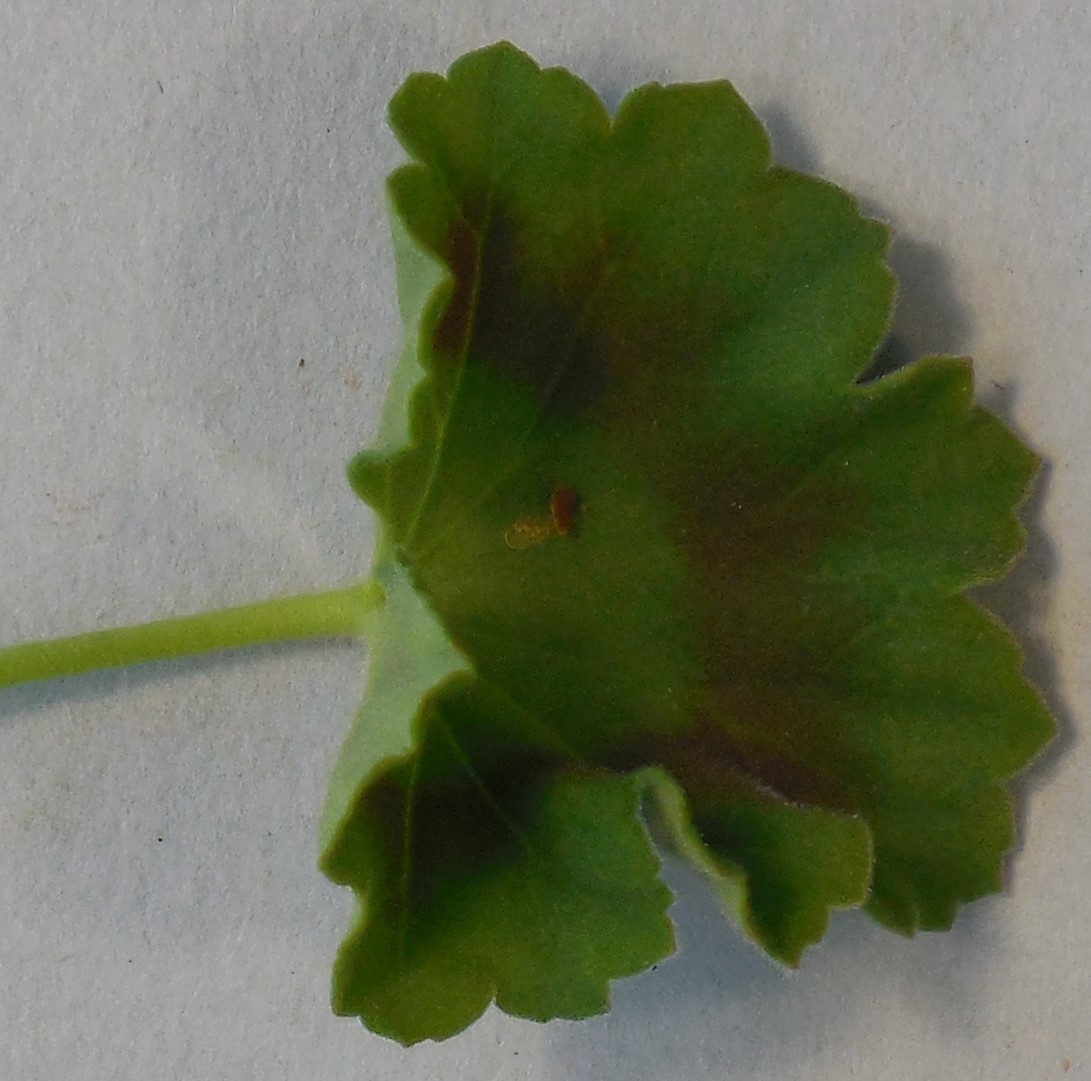
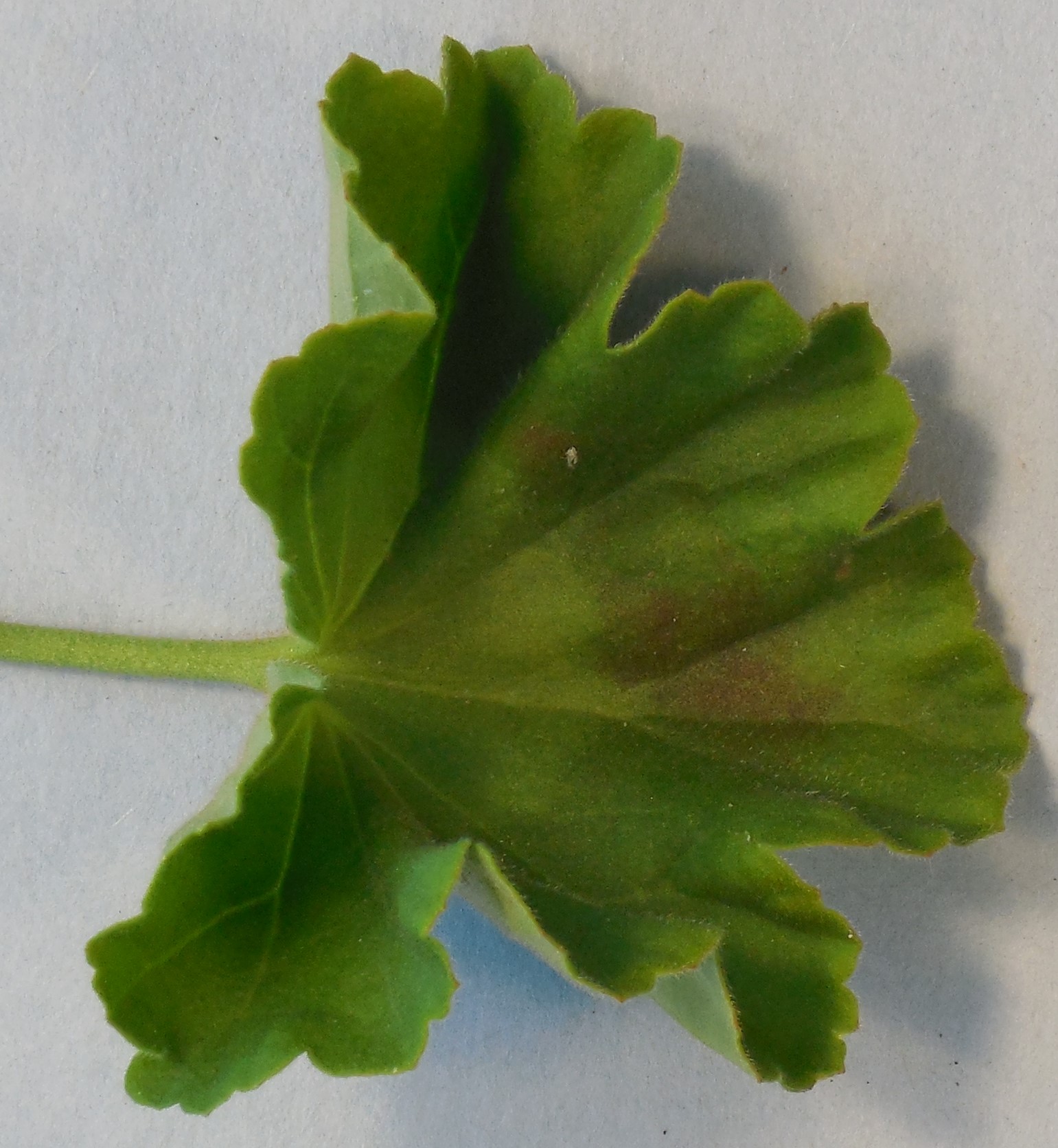
Zonal Pelargoniums are the most diverse group and trace their heritage to the species P. zonale. They can be referred to as P. x hortorum cultivars to indicate their derivations from breeding. Initial classifications are based on the description by L.H. Bailey, an American horticulturalist in the mid 1900s. Frequently these bushy, somewhat succulent plants have stripes, bands, or zones of color in their leaves; flowers are red, salmon, violet, orange, white, or pink. Leaves are generally peltate, obtusely or obscurely toothed, and tomentose. Many of the cultivars in the Stock Farm collection hail from this group. Most modern Zonals are tetraploid, a chance chromosome doubling in the late 1800s leading to larger flowers with thicker tissue that last better when cut. Most hybrid Pelargoniums are Zonals, and there are numerous types, called distinctions, with characteristic plant sizes and flower conformations. In describing a Zonal Pelargonium, all descriptors that are appropriate are included. It is important to note that all of these characteristics can be applied to other types of pelargonium, but rarely are done so, because there are so few other types compared to Zonals. Cultivars can have as many classification codes as necessary applied; this is somewhat fluid based on individual interpretation. Six distinctions of Zonals based on plant overall architecture; each plant is placed in one of these six classifications: Basic - Foliage of mature plants normally exceeds 180 mm (7 inches) in height above the rim of the pot. Dwarf - Smaller than basic; mature plants with foliage between 125 mm and 180 mm in height above the pot. Miniature - Slow-growing Pelargoniums; mature plants with foliage less than 125 mm above the pot. Micro-Miniature - Smaller and more slowly growing than miniature Pelargoniums; mature plants with foliage normally less than 100 mm above the pot. Deacon - Genetic hybrid similar to a large Dwarf, from a cross of Zonal and Ivy-Leaved Pelargoniums. Stellar - A relatively modern genetic hybrid originating from the work done by the Australian hybridizer Ted Both in the late 1950s and 1960s. He crossed Australian species and Zonal types. Identifiable by their distinctive half-star-shaped leaves and slim-petalled blooms which create an impression of being star shaped. Single varieties tend to have five larger elongated triangular petals whereas doubles tend to have ten thin feathered petals that are tightly packed together. Six distinctions of Zonals based on leaf color patterns; one pattern name is selected that best describes the plant. By definition, all Zonals have a band of dark color on the leaves. If additional patterning is present, the terms below are used to describe the pattern. (a) Bicolor - White or cream veined leaves or those with two distinct colors with clearly defined edges. (b) Tricolor -Gold Tricolor will have leaves of many colors including red and gold, but usually with clearly defined edges of golden yellow. They also have a leaf zone, usually red or bronze, that overlays two or more of the other distinct leaf colors, so that the zone itself appears as two or more distinct colors. Silver Tricolor will resemble a normal bi-color leaf plant with two distinct colors usually of green and pale cream or white; the third color is usually made up of bronze zoning. When this zoning overlays the green part of the leaf it is deemed to represent a silver color. Non-green areas exhibit an absence of chlorophyll allowing the yellow carotenoid pigments to be seen; white areas lack both chlorophyll and carotenoid pigments; orange/red/purple/brown shades are anthocyanin pigments. (c) Bronze Leaved - Leaves of Green or Golden/Green with a heavy bronze or chestnut colored center zone which is known as a medallion. (d) Gold Leaved - Leaves colored golden/yellow or green/yellow but with a low amount of green. (e) Black Leaved - Leaves colored black, purple-black or with distinct large dark zones or center markings on green. The dark pigment is anthocyanin. (f) Butterfly Leaved - Leaves with a butterfly marking of distinct tone or hue in the center of a leaf. This mark can be any color. Eight distinctions of Zonals based on floral characteristics including color markings; select all categories that apply to the plant: (S) Single Flowered - Flowers normally having no more than five petals. This is the standard flower set for all Pelargoniums. (SD) Semi-Double Flowered - Flowers normally having between six and nine petals. (D) Double flowered - Flowers of more than nine petals but not shaped like a rosebud. (R) Rosebud (or noisette) group - each bloom fully double and rosebud-shaped, where the middle petals are so numerous that they remain unopened like the bud of a rose. (T) Tulip Flowered - Semi-double blooms that never fully open; the large cup-shaped petals open just sufficiently to resemble a miniature tulip. (B) Bird's-Egg - Petals that have small spots in a darker shade than the base color, like some birds eggs. (SP) Speckled Flowers - Petals that are marked with splashes and flecks of another color. (Q) Quilled (or Cactus-Flowered, or Poinsettia) - Petals twisted and furled like a quill. By using these characteristics, you can describe a Zonal Geranium with just a few letters. For example, the cultivar 'Americana Violet',grown at Stock Farm, is a double-flowered, normal-sized, Zonal, which would be abbreviated Z/i/D. Another cultivar, 'Apple-Blossom Rosebud' is abbreviated Z/i/c/R. Notice that as many distinctions as necessary may be applied to each cultivar. Ivy-Leaved
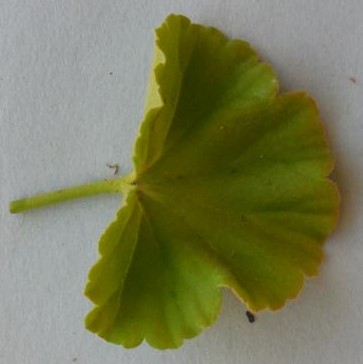
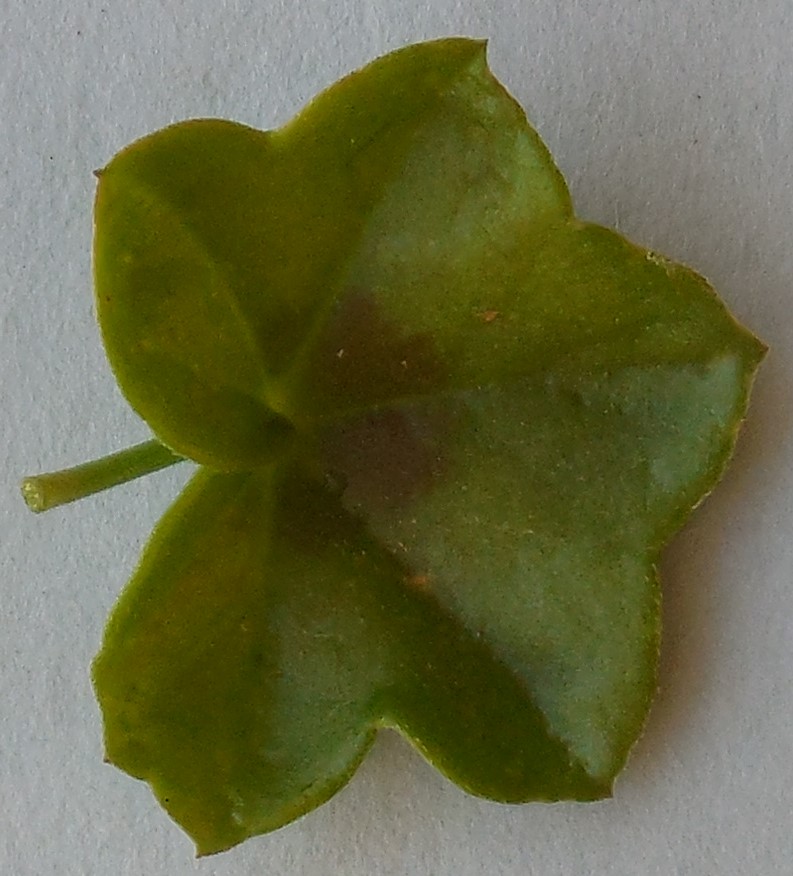
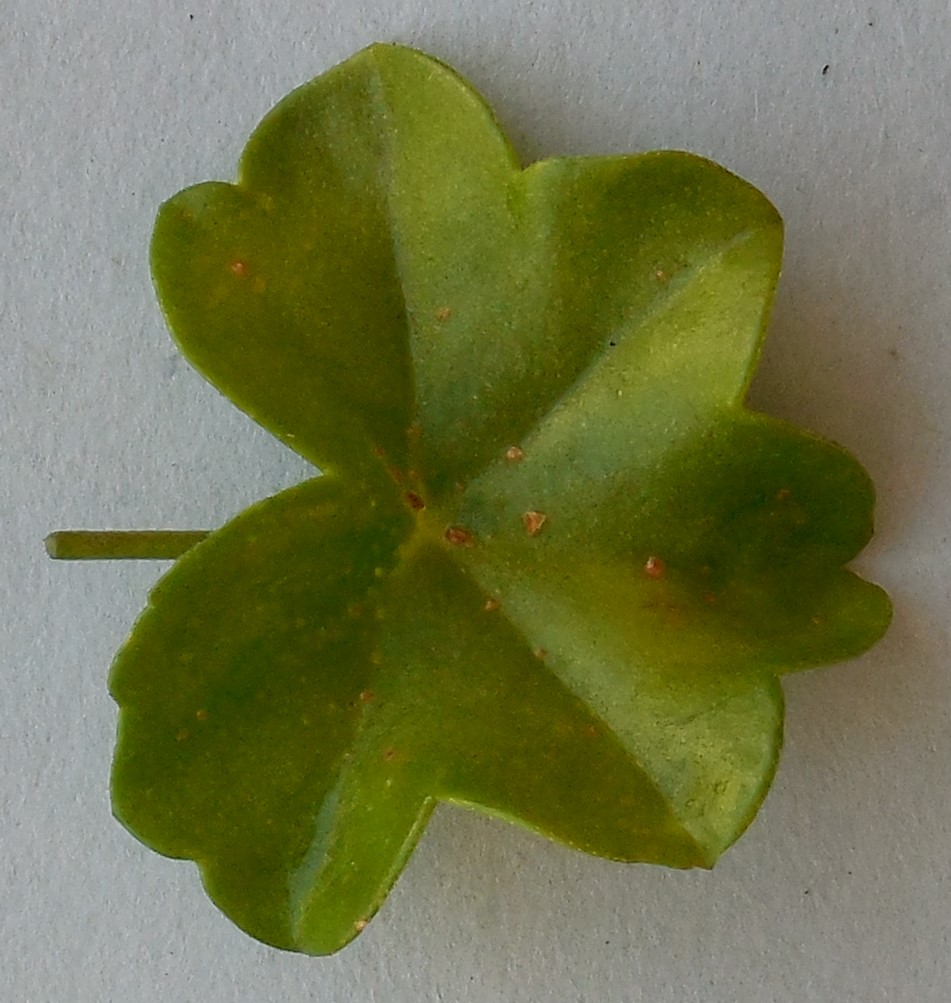
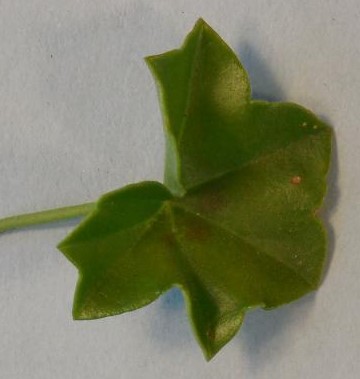
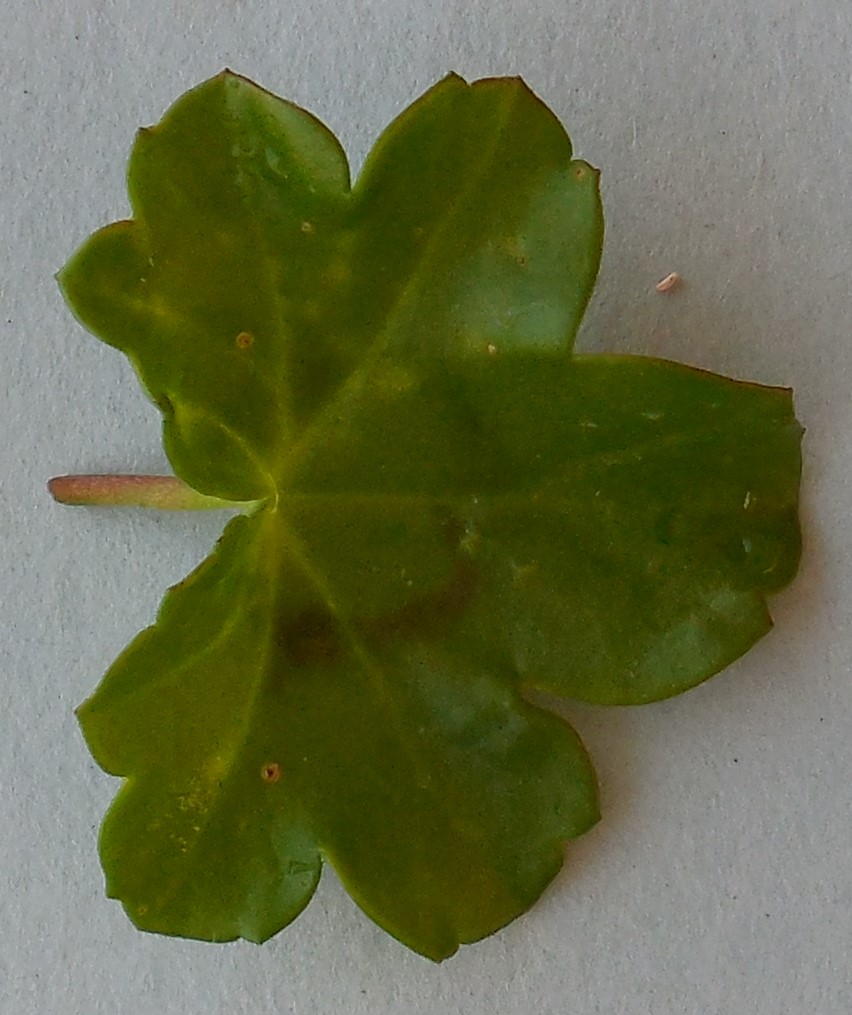
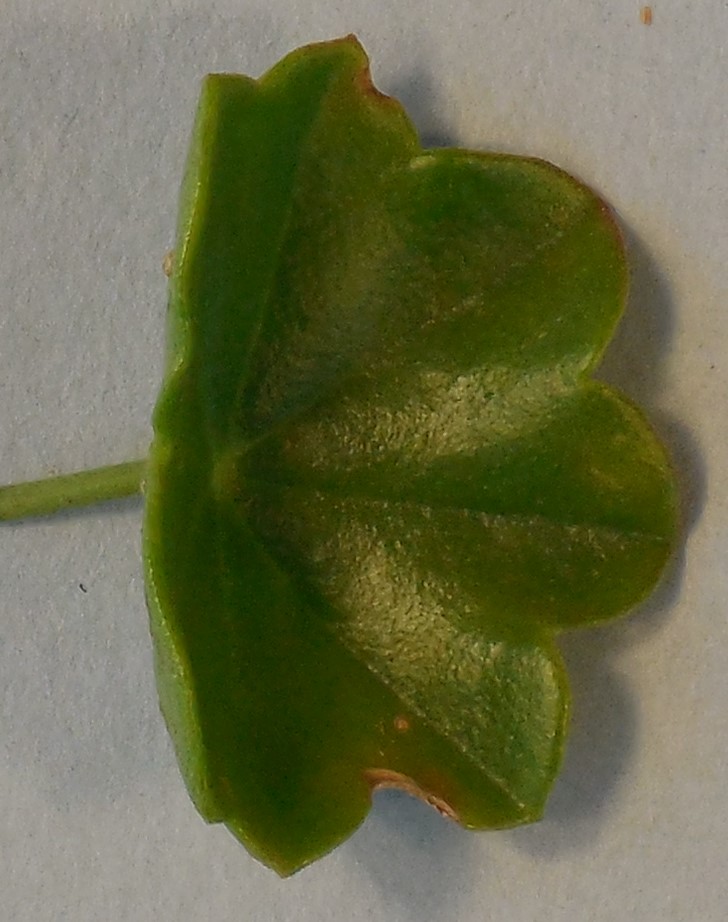
Ivy-Leaved Pelargoniums trace their heritage to P. peltatum. They have thin, trailing stems, waxy, somewhat succulent, peltate, obscurely toothed leaves. At the Stock Farm collection, most of the Ivy-Leaved Pelargoniums were chosen based on flower colors not typically found in other groups. These plants are of slightly more difficult cultivation than the Zonal, Regal, or Angel groups. Ivy-Leaved Pelargoniums are commonly sold in "series" or groups of siblings with slightly different color patterns. For example our "Dandy" series are Ivy-Leaved. Colored leaf forms are the progeny of crosses with Zonals and miniature or bushier plants in turn resulted from crossing with Regal or Angel types. All of the terms used to describe Zonal Geranium sizes and leaf colors can be used with Ivy-Leaved Geraniums, but they are infrequently applied because there are not many Ivy-Leaved cultivars compared with Zonals. Regal or Martha Washington
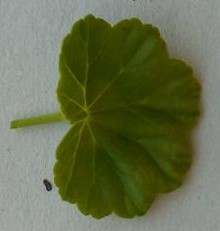
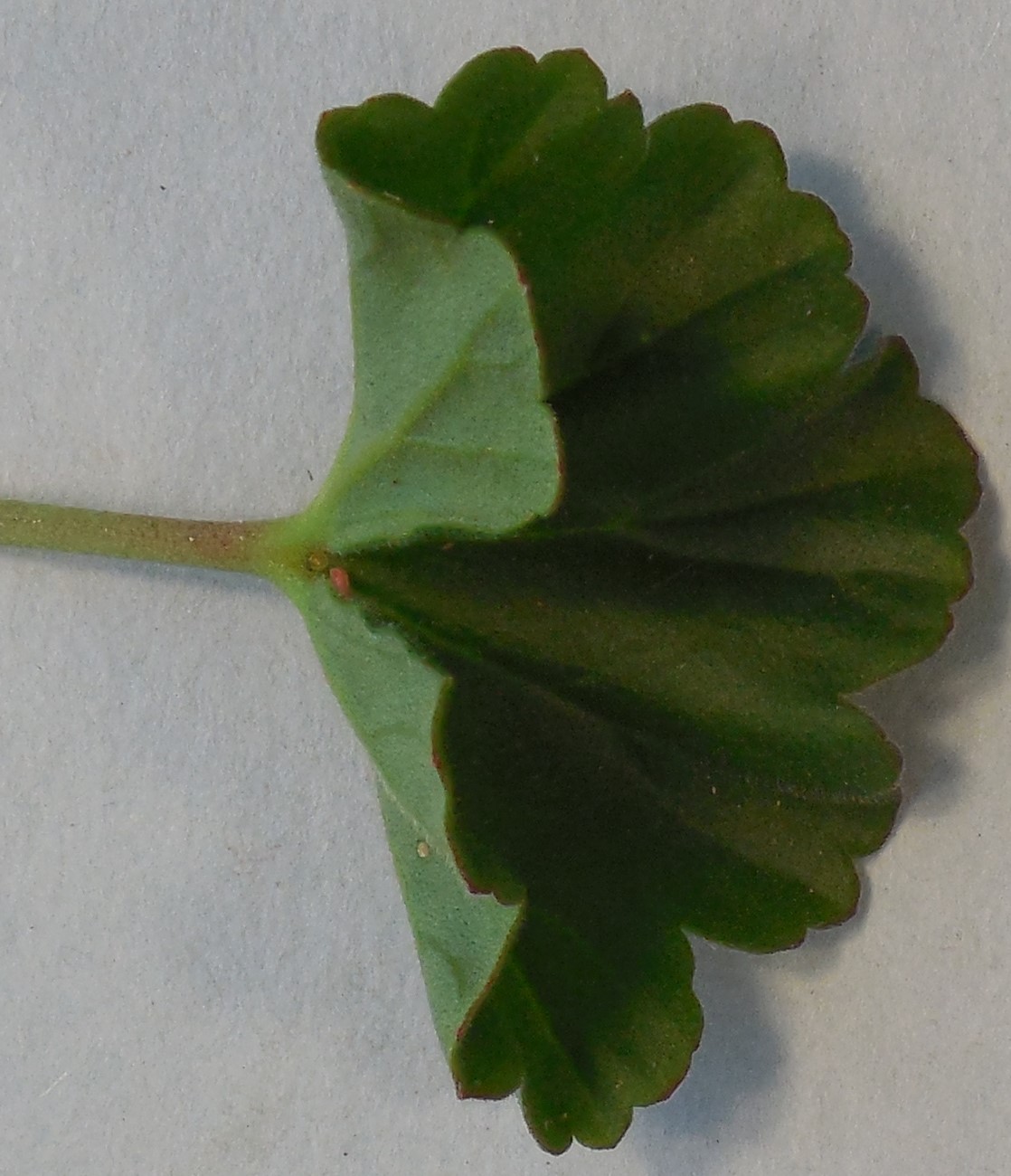
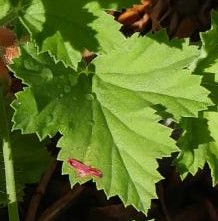
These plants are the P. x domesticum of L.H. Bailey. They are complex hybrids normally involving a range of species, including and especially P. crispum. Most Regals are shrubby, evergreen plants with large heads of flowers produced on upright plants requiring a minimum of pinching or cutting to maintain overall plant shape because the stems are short. Leaves are peltate and green, but usually have acutely dentate margins and lack the near-succulent character of Ivy-Leaved or Zonal plants. Their vibrant flowers, usually in multiple colors, blends, or with a noticeable "eye" of color in the upper pair of petals, are the result of hybridization and selection of interesting flower colors for the last 50 years. By crossing with other groups of Pelargoniums, miniature (or "Oriental"; these are crosses with Angel types) and fancy-leaved (with Zonals) have been selected. Again, generally the distinction types used with Zonals are not typically applied to Regals. Many Regals are exhibited in the collection at Stock Farm because they are easy to grow. AngelAngel types result from the back-cross of Regal clones to P. crispum, and as a result have foliage and flowers more similar to that parent. Plants are bushier, with smaller internodes, and more acute dentition in the foliage. In the flowers the upper and lower petals are typically very similar. Overall flower size is smaller than in Regals. Hybridization in Angels has occurred primarily within the last 30 years. Interestingly, hybridizing Angels is the most popular form of hybridization by amateurs. Angels are favored because of their small size, tremendous variation in flower color, and ease of culture. A few cultivars with variegated or colored foliage trace their origin to hybrids with Zonals, and a few low-growing forms trace their heritage to crosses with Ivy-Leaved plants. Distinctions tend not to be applied to Angels. At present, Angels are not represented in the Stock Farm collection. Unique
The history of hybridization in these types is unclear, but P. fulgidum plays a part. This type originated in the late 1800s from the parent plant 'Old Unique' or 'Rollinson's Crimson'. The plants are upright, woody, evergreen, shrubby plants, with distinctly scented leaves and blotched flowers. Generally, plants of this type do not fit neatly into other categories for judging, and so are included here. A small number of plants in the Stock Farm collection are Uniques. Scented-Leaved
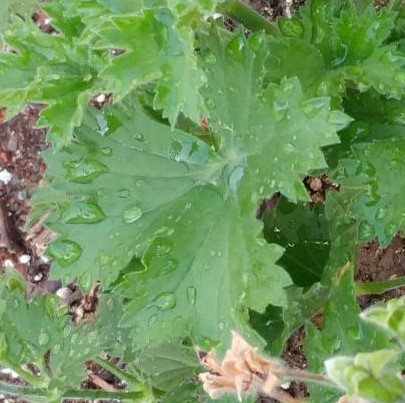
These plants represent a range of species and hybrids with strongly scented leaves. The scent, from the volatile aromatic geranol, is emitted when leaves are bruised or crushed. This oil, which can vary significantly in aroma depending on other volatiles, is much-used in perfume. It is considered an adaptive advantage (1) to diminish herbivory in native habitats, where grazers appear to dislike the emitted smell, and (2) to attract potential pollinator insects. The leaves are occasionally used in commercial production of potpourri and in cooking. Scented leaves are occasionally found in other groups (for example, the P. crispum of Angel and Regal types tends to be strongly citrus-scented). This group has scented leaves combined with small and insignificant flowers. Leaves in this group can be quite variable (as the group itself is highly variable), but generally are more deeply incised, lobed, and palmate than in other groups. Scents can include almond,apple, mint, camphor, celery, cinnamon, coconut, ginger, lavender, lemon, lime, nutmeg, orange, peach, pineapple, rose, and strawberry, among others. A small number of plants grown at Stock Farm are Scented-Leaved; these are many of the taller plants. Species
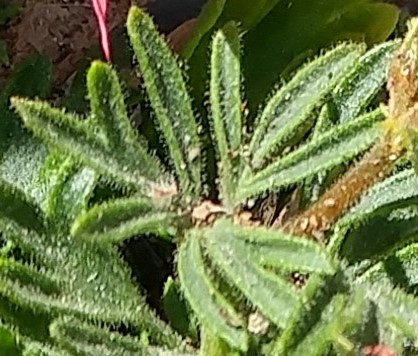
Species-group Pelargoniums are natural species, and they do not easily fit into other groups. They are typically maintained in gardens and greenhouses in the same form as found in the wild. The range of floral, and more particularly, vegetative characteristics in this group are enormous, and trace their heritage back to the incredible diversity of habitats in which Pelargoniums are naturally found. Of particular note is the group of Pelargoniums with woody caudexes, found in dry desert, alpine desert, or cloud-desert environments. Some species in this group, typically native to northern South Africa or Namibia, include P. carnosum, P. gibbosum, P. paniculatum, and P. triste. Pelargonium cotyledonis is native only to St. Helena Island in the middle of the Atlantic; it forms an enormous caudex and is unfortunately endangered from goat predation. Pelargonium articulatum, from South Africa, is rare in that it has yellow flowers; it has been used to produce yellow-flowered Ivy-Leaved plants. Many species of Pelargoniums, although somewhat more difficult to grow, have the potential to radically change hybridization in the group, but to date have been overlooked in favor of more traditional varieties. Because many of these species are somewhat particular in their cultivation requirements, not many are grown in the Stock Farm Collection. Alphabetical GlossaryAchene - a small, dry, one-seeded fruit Actinomorphic - radially symmetrical Anthocyanin - a group of plant pigments that confer orange, red, purple or blue hues to flowers, leaves, stems and other organs. Anthocyanins are a type of flavonoid, a chemical class. These pigments accumulate in the plant vacuoles. Mutations in the pathway produce yellow, white, brown, or bronze pigments. Orange color is produced when there are 3 -OH groups, red with 4 -OH groups, purple with 5 -OH groups, and true blue with 6 -OH groups on the anthocyanin structure. A different enzyme is required to add each -OH group, perhaps explaining why true blue is rare. Anthocyanin hue is influenced by vacuolar pH acidity and by metal ions. Blue pigments are typically complexed with chromium, while orange pigments are bound to magnesium or iron. Carpel - female reproductive organs within a flower Carotenoid - plant pigment localized in chloroplasts; they are yellow or yellow-orange and act as accessory light absorbing pigments during photosynthesis Capsule - a type of fruit, characterized as having a relatively hard outer casing with the seeds inside Caudex - swollen stem or root tissue used to store water in enlarged vacuoles Chlorophyll - green plant pigment localized in the chloroplast and responsible for light absorption for photosynthesis Cymes - a flower stem with a single terminal flower, and subsequent flowers that develop from terminal buds of lateral stems Ovary - female reproductive organ within a flower; ovaries are characterized as superior if they are situated above the area at which the petals and sepals unite, and inferior if they are situated below Paraphyletic - not descended from a common ancestor; a phylogeny which contains an error based on molecular evidence Perfect - a flower that contains both male and female reproductive organs Peltate - a relatively circular leaf Petals - group of non-reproductive floral organs situated internal to the sepals; often the showy part of a flower Pistil - the female reproductive organs within a flower; synonym of carpel Raceme - a flower stem with flowers attached by short, equal stalks at relatively equal distances along its length Sepals - outermost floral organs, often green, that enclose the floral bud during floral organ development Stamen - male reproductive organ consisting of a thin filament and a terminal anther, where pollen develops Stigma - part of the pistil onto which pollen is distributed Stipule - a small, leaf-like appendage attached to the leaf stem Style - filamentous outgrowths of the stigma Tomentose - covered with dense hair Umbels - flower stems which branch equally from a single central point Zygomorphic - bilaterally (not radially) symmetrical Additional ResourcesInternational Register of Pelargoniums. http://thepelargoniumregister.com/ The Pelargonium and Geranium Society. http://thepags.org.uk The Geraniaceae Group. http://www.geraniaceae-group.org The International Geranium Society. http://geraniumsociety.org/OLD SITE The Los Angeles Geranium Society. http://geraniumsociety.org Ihe Geraniaceae Page of the Succulent Plant Pages. http://succulent-plant.com/families/geraniaceae.html Developing the Yellow Lara Zonarctic Hybrids. http://www.geraniaceae-group.org/developing_zonartic.html Plant Systematics: A Phylogenetic Approach . Judd, W.S. et al. 2015. Guide to Flowering Plant Families. Zomlefer, W.B. 1994. Standard Encyclopedia of Horticulture. Bailey. 1942. Manual of Vascular Plants of Northeastern United States and Adjacent Canada. Gleason, H.A. and A. Cronquist. 1991. The Plant Lover's Guide to Hardy Geraniums. Parer, R. 2016. |