Wave-Current Interactions on Coral Reefs
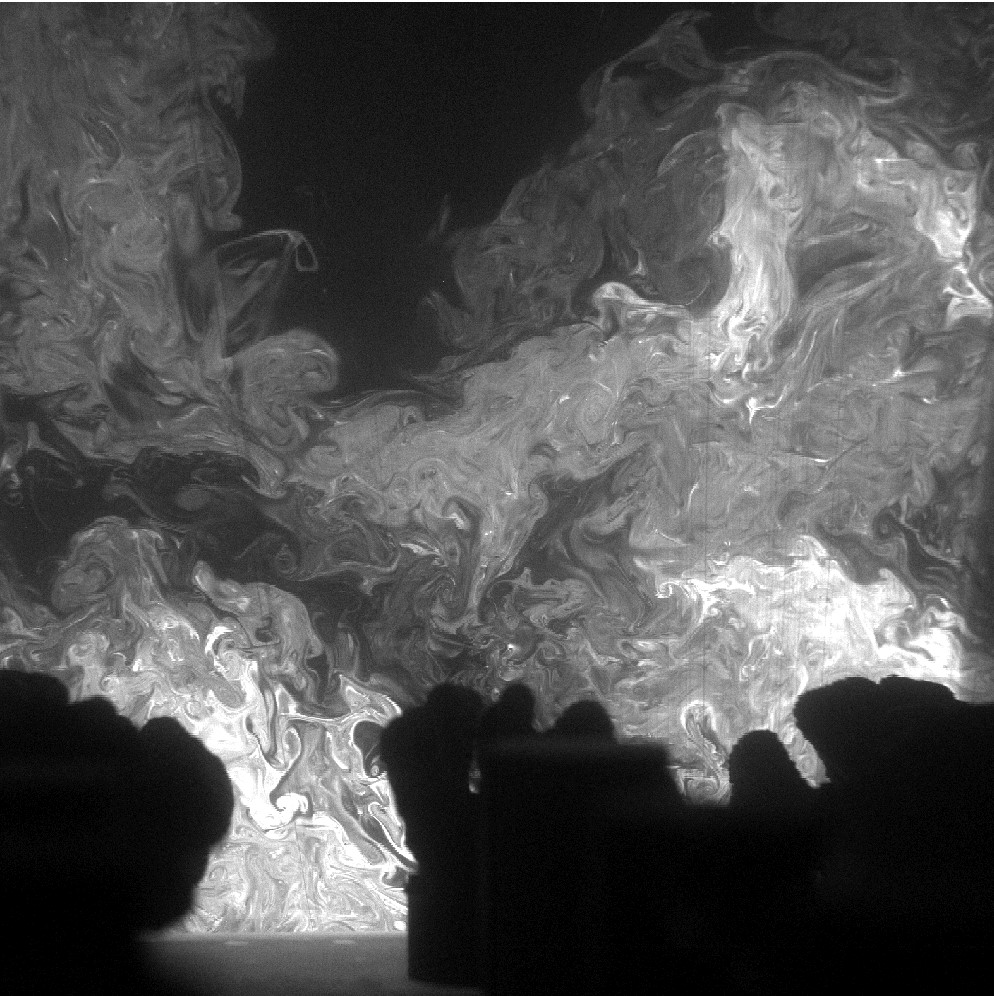
Coral reefs are one of the most productive ecosystems on the planet, housing 25% of all marine life. Ecosystem benefits extend to the communities on the coast as well. In addition to providing local communities with fishing and tourism income, corals offer protection from storm surges, destructive waves, and erosion. However, reef health is being compromised by destructive bleaching events that are increasing in frequency with climate change. Although exactly how is unclear, coral organisms will evolve in the face of ocean warming and acidification. Reef restoration and management can aid in ecosystem recovery while the corals adapt. Restoration methods are becoming more scalable due to genetic engineering and optimized planting techniques, but there is still much work to be done to determine best transplant locations, including identifying optimal hydrodynamic conditions.
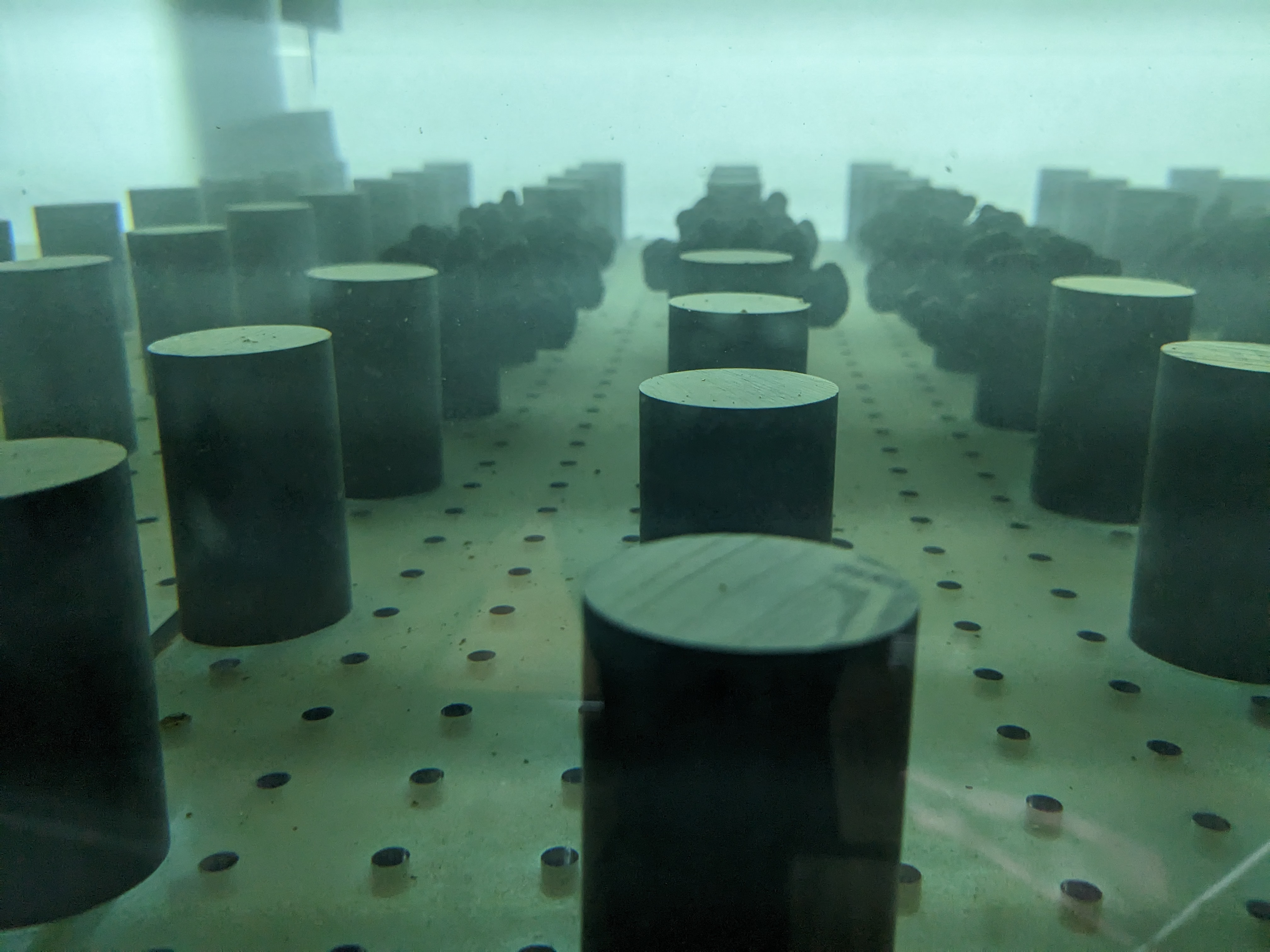
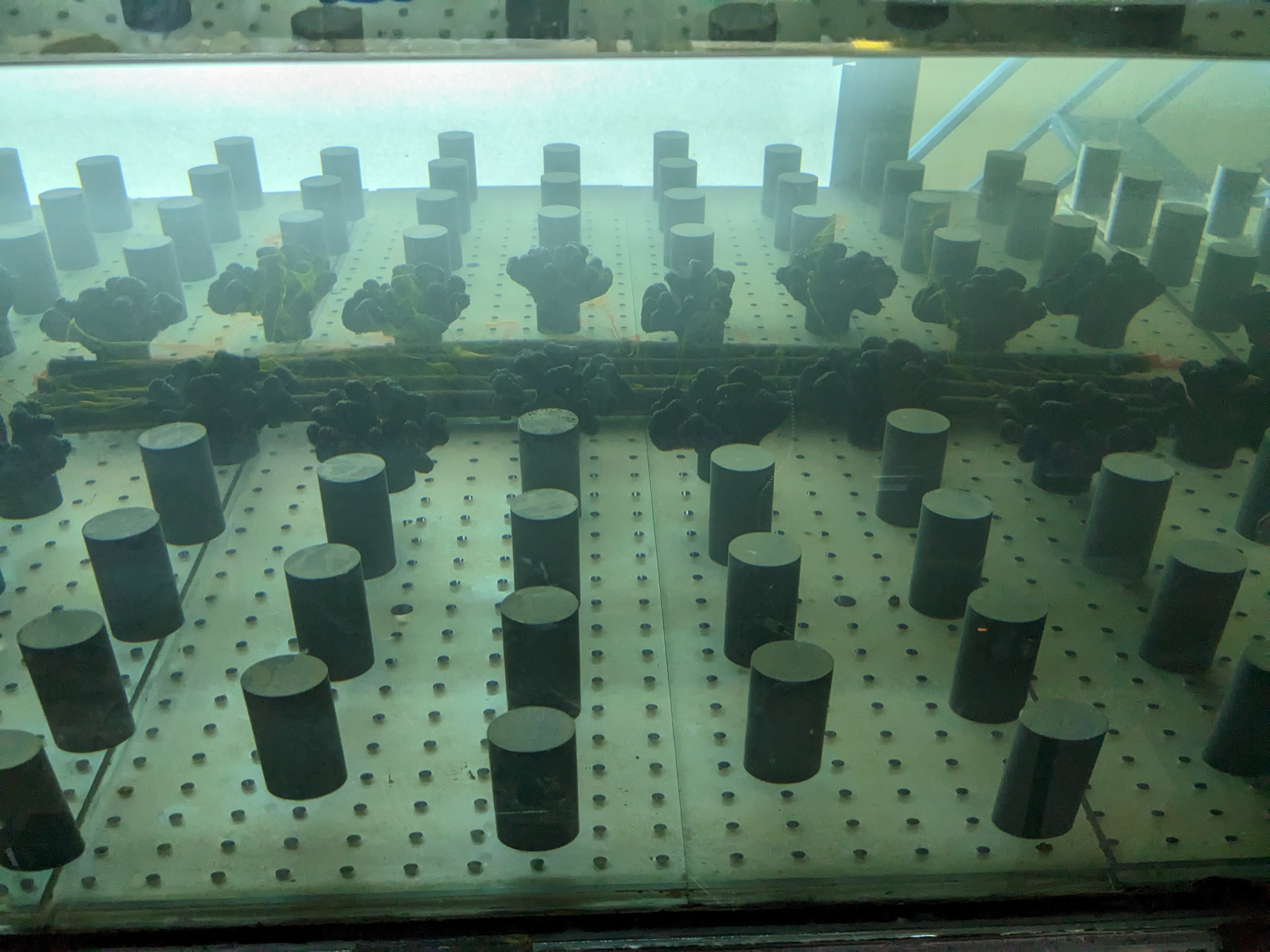
With the aim of understanding what makes some reefs more resilient to disturbances, we study the connection between hydrodynamic processes and coral health. The extent to which corals can function effectively by exchanging nutrients and dissolved gasses with the water column is, in part, dictated by ambient flow conditions. We use a wave-current laboratory flume to measure the velocity structures, scalar fluxes, and turbulence characteristics of coral reefs. Studying flow over a very rough surface in a controlled, repeatable setting is necessary for decoupling waves and turbulence. Specifically, we investigate the effect of waves on mean quantities such as bottom drag, scalar mixing, and energy dissipation.
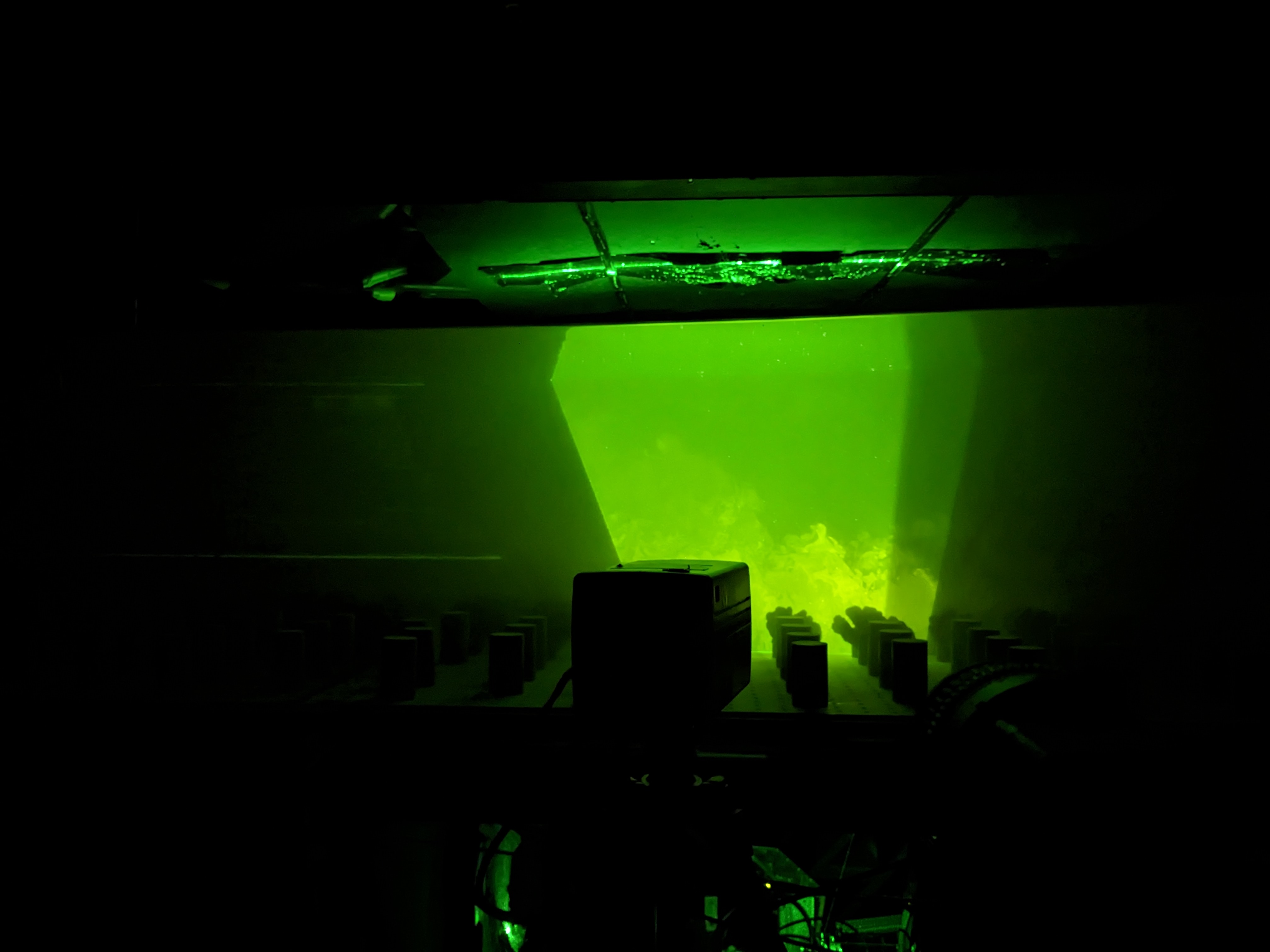
Published research suggests that waves affect flow structures inside coral canopies and may lead inaccurate measurements of benthic fluxes, but the mechanism has not been fully identified. Thus, the primary objectives of this research are to
1. Understand the underlying physics of wave-current interactions,
2. Determine how waves affect benthic flux measurements in the ocean, and
3. Identify optimal hydrodynamic conditions for coral growth, i.e. understanding how hydrodynamics affects mixing of oxygen and nutrients in coral reefs can aid coral reef monitoring, which in turn assists management efforts through identification of healthy and resilient reefs.
Related publications
To access related publications, click here.