Research

Understanding the biology of aging—from molecules to organisms.

Aging is the greatest risk factor for most chronic diseases. Yet the mechanisms that determine how organisms age remain largely unknown.

The Brunet Lab investigates how genetic, epigenetic, and metabolic factors regulate aging across scales. By integrating discoveries from C. elegans, the African killifish, mice, and human cells, we uncover fundamental principles that promote healthy longevity.
Research

Our Approach

We combine multi-omic approaches, AI, stem cell biology, neuroscience, and evolutionary biology to uncover the fundamental mechanisms that regulate aging. We leverage complementary organisms and systems that allow us to discover conserved principles of longevity across the tree of life.

C. elegans

Conserved longevity pathways

Killifish

Organismal aging and 'suspended animation'

Mouse

Stem cells and brain aging

Human Cells

Translation to human biology

Research Themes

Our laboratory addresses several interconnected questions that probe how organisms age and how healthy lifespan may be extended.

How does diet and metabolism regulate longevity?

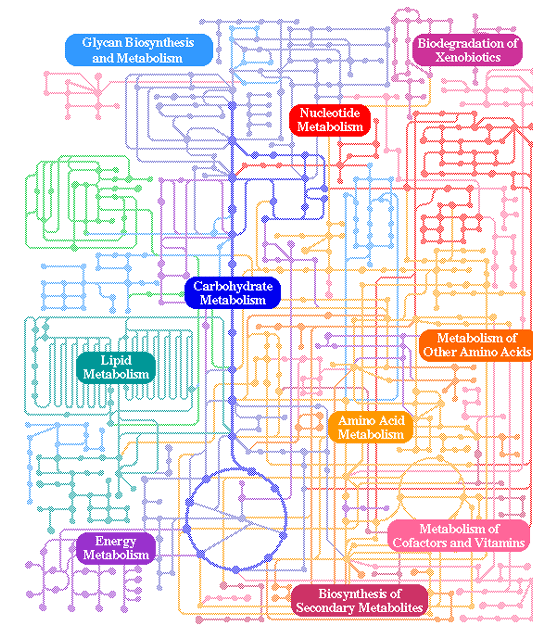
Diet profoundly influences lifespan. But the mechanisms that connect nutrient availability to healthy aging remain incompletely understood. Our laboratory explores how nutrient-sensing pathways, lipid metabolism, and metabolites regulate longevity across species. We want to understand how metabolic adaptations promote long-term organismal survival and longevity.

Key discoveries

  • Nutrient-sensing pathways regulate lifespan  
  • Lipid metabolism promotes healthy longevity

Recent publications

Ruetz et al, Nature (2024)
Papsdorf et al. Nature Cell Biology (2023)
Han et al. Nature (2017)

More publications →

Diet and metabolism
Epigenetics

How do environmental signals leave lasting molecular memories?

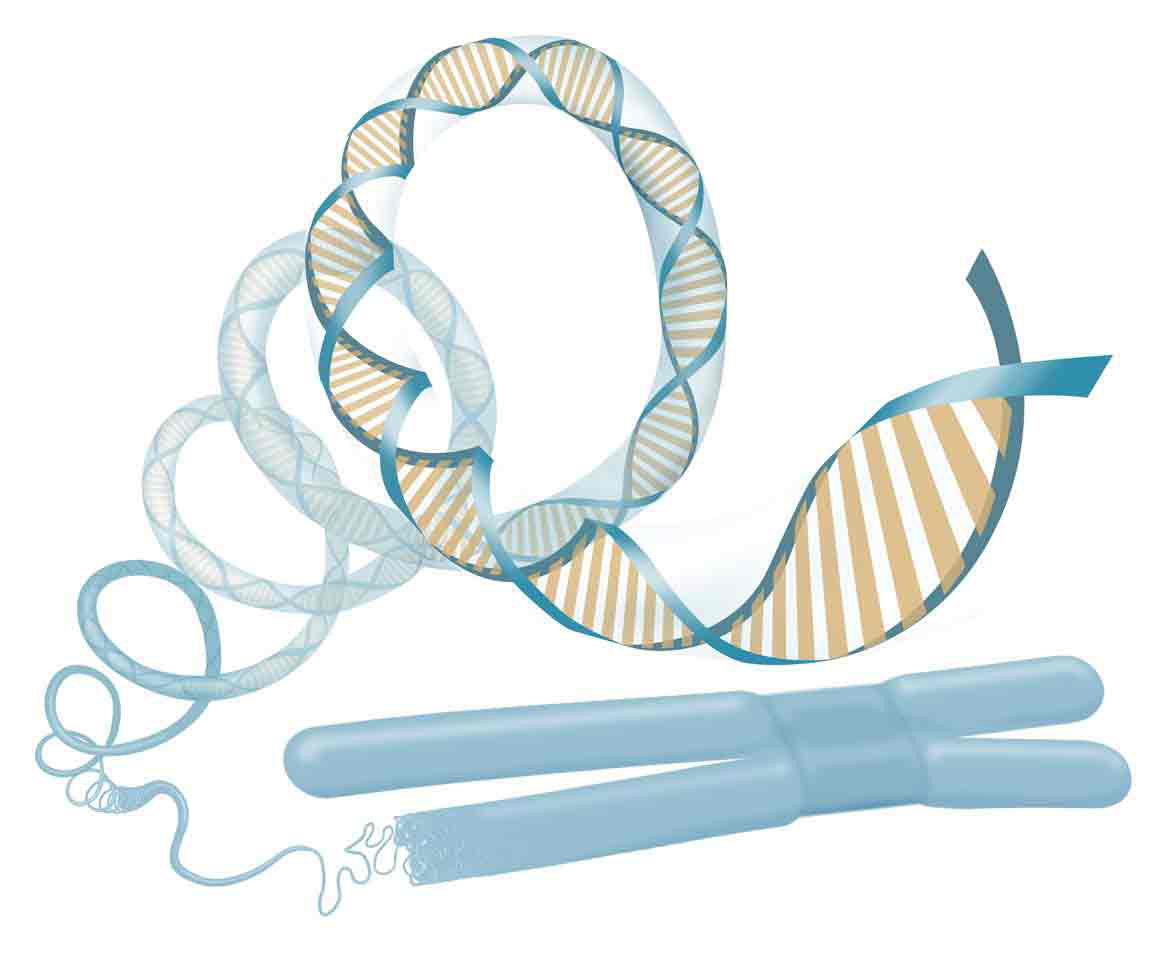
Environmental factors – including exercise, stress, and sexual interaction – exert surprisingly persistent effects on aging. Our research explores how chromatin and epigenetic mechanisms encode these long-lasting responses. Our laboratory showed that chromatin modifiers can regulate lifespan and contribute to transgenerational inheritance of longevity in C. elegans. We determine how molecular and cellular networks change with age, and how this influences regenerative capacity and healthy aging.

Key discoveries

  • Chromatin modifiers regulate lifespan and 'suspended animation'
  • Longevity traits can be inherited across generations

Recent publications

Yeo et al. Nature Aging (2023)
Hu et al. Science (2020)
Greer et al. Nature (2011)

More publications →

Why do stem cells lose regenerative capacity with age?

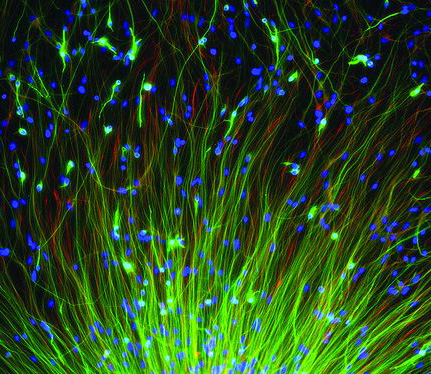
Adult stem cells maintain tissue homeostasis. Yet their regenerative potential declines during aging. Our laboratory studies the molecular pathways that preserve stem cell function and investigates strategies to rejuvenate old stem cells. A major focus is the biology of neural stem cells, combining transcriptomics, epigenomics, metabolomics, and functional studies to understand how regenerative capacity changes with age.

Key discoveries

  • Lysosomal activation rejuvenates old neural stem cells
  • Single-cell transcriptomics reveals immune cell infiltration in the neural stem cell niche

Recent publications

Buckley et al. Nature Aging (2023)
Dulken et al. Nature (2019)
Leeman et al. Science (2018)


More publications →

Stem Cells
Brain Aging

Can the aging brain be rejuvenated?

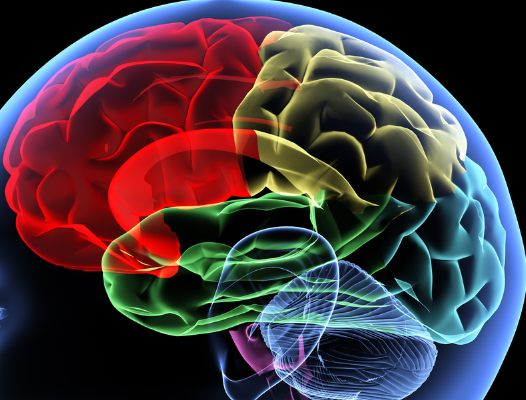
The aging brain undergoes profound molecular and cellular changes that contribute to cognitive decline and neurodegenerative disease. Our laboratory investigates the mechanisms that preserve brain function throughout life and explores strategies to rejuvenate aging neural tissues. By integrating molecular genetics and neuroscience, we seek to identify pathways that maintain neural plasticity and promote healthy brain aging.

Representative discoveries

  • Behavior at middle age predicts remaining lifespan
  • Engineered proteins as immunotherapies to rejuvenate the brain     
  • Spatial transcriptomic atlas of the aging brain and spatial 'clocks' 

Representative publications

Bedbrook et al. Science (2026)
Navarro et al. Immunity (2026)
Sun et al. Nature (2025)

More publications →

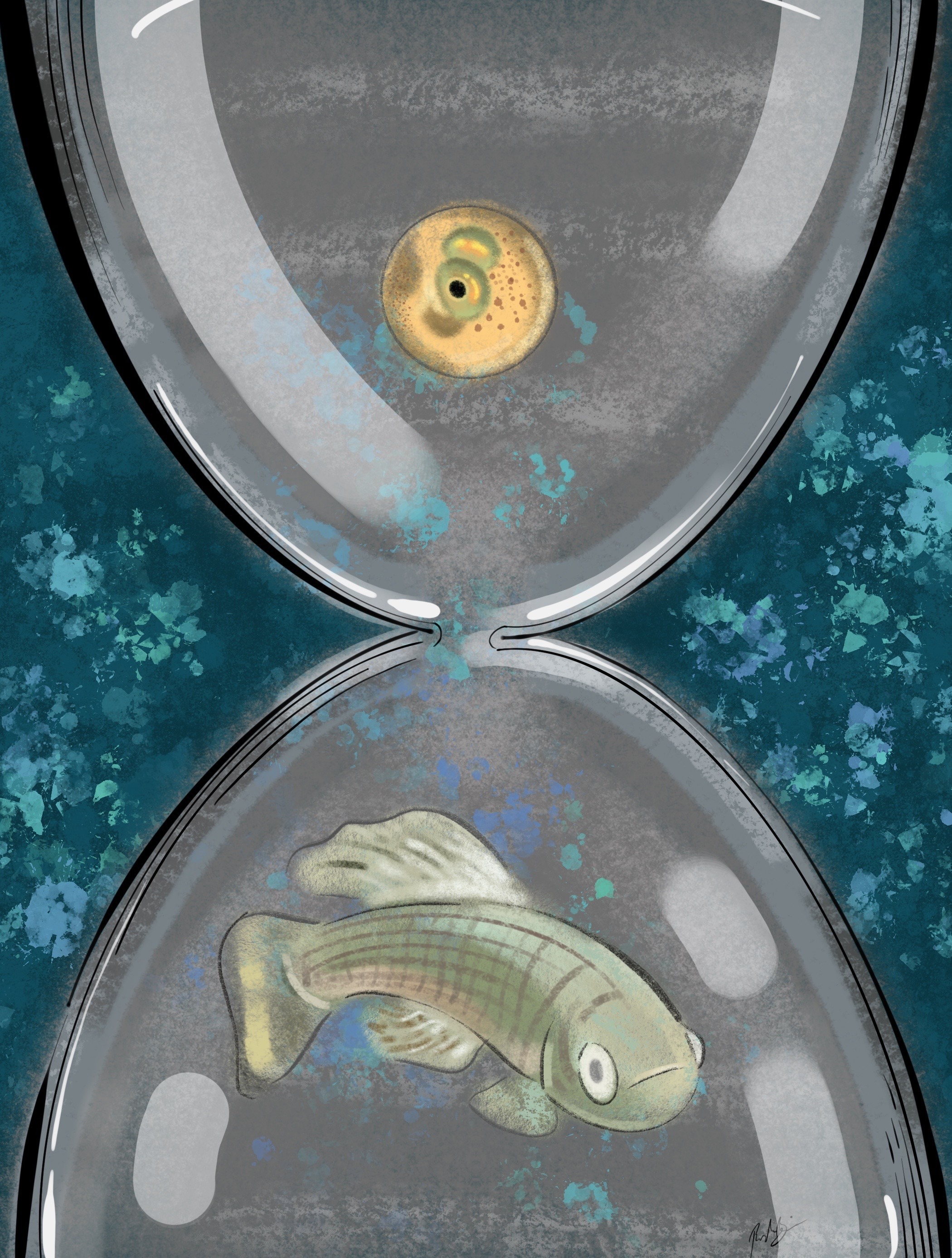
How has evolution shaped lifespan and suspended animation?

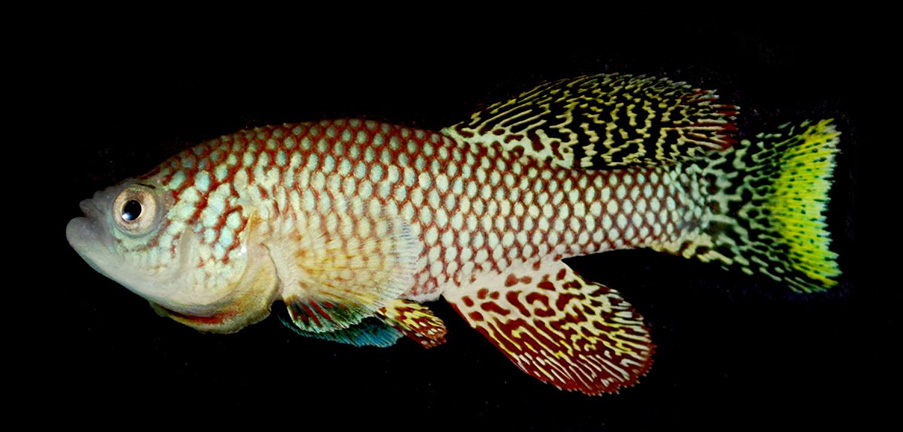
The African killifish is the shortest-lived vertebrate that can be maintained in the laboratory, providing a unique opportunity to investigate the genetics and evolution of aging. Our laboratory pioneered this emerging model system and developed many of the genetic and genomic tools now used by the research community. The killifish allows us to study vertebrate aging and the remarkable suspended-animation state known as diapause.

Key discoveries

  • Established the African killifish as a vertebrate model for aging
  • Developed genomic resources for the community
  • Discovered evolutionary mechanisms underlying lifespan differences and 'suspended animation' states

Representative publications

Singh et al. Cell (2024)
Harel et al. Cell (2015)
Valenzano et al. Cell (2015)

More publications →

African turquoise killifish

Big Questions

We want to answer fundamental questions about the biology of aging:

How do environmental signals impact aging?

How do diet, exercise, sexual interaction, and stress produce lasting effects on longevity?

Can aging be reversed?

Can regenerative tissues and stem cells restore youthful organ function?

Why do species age differently?

What evolutionary mechanisms determine lifespan across species?

What can suspended animation teach us?

Can diapause reveal new principles for preserving tissues and organs?