

Anomalous Neutron Scattering on Supercritical Xenon
The xenon1g experiment searches for new fundamental forces, "fifth-forces", at nanometer scales by exploiting critical phenomena in a few grams of supercritical Xe-136.
Using small-angle neutron scattering (SANS), the experiment aims to detect Yukawa-type deviations from Newtonian gravity in the 10 nanometer range, probing the sub-micrometer regime predicted by diverse theoretical frameworks including light scalar fields from string theory (dilatons and moduli), dark sector forces mediated by additional gauge symmetries, and axion-like particles. The approach leverages the tunable correlation lengths and diverging compressibility near xenon liquid-gas critical point: allowing for coherent enhancement of scattering signals from hypothetical new interactions. Experimental measurements conducted at SSRL (SLAC) with SAXS have validated the method, and we are planning for our first SANS data run in 2026.

Publications
- Zachary Bogorad, Peter W. Graham & Giorgio Gratta, "Detecting nanometer-scale new forces with coherent neutron scattering"
- Phys Rev D 108 (2023) 055005 doi.org/10.1103/PhysRevD.108.055005 PDF
Presentations
- Soud Al Kharusi - INPA Seminar Series, Lawrence Berkeley National Lab, 6 March 2026 (slides)
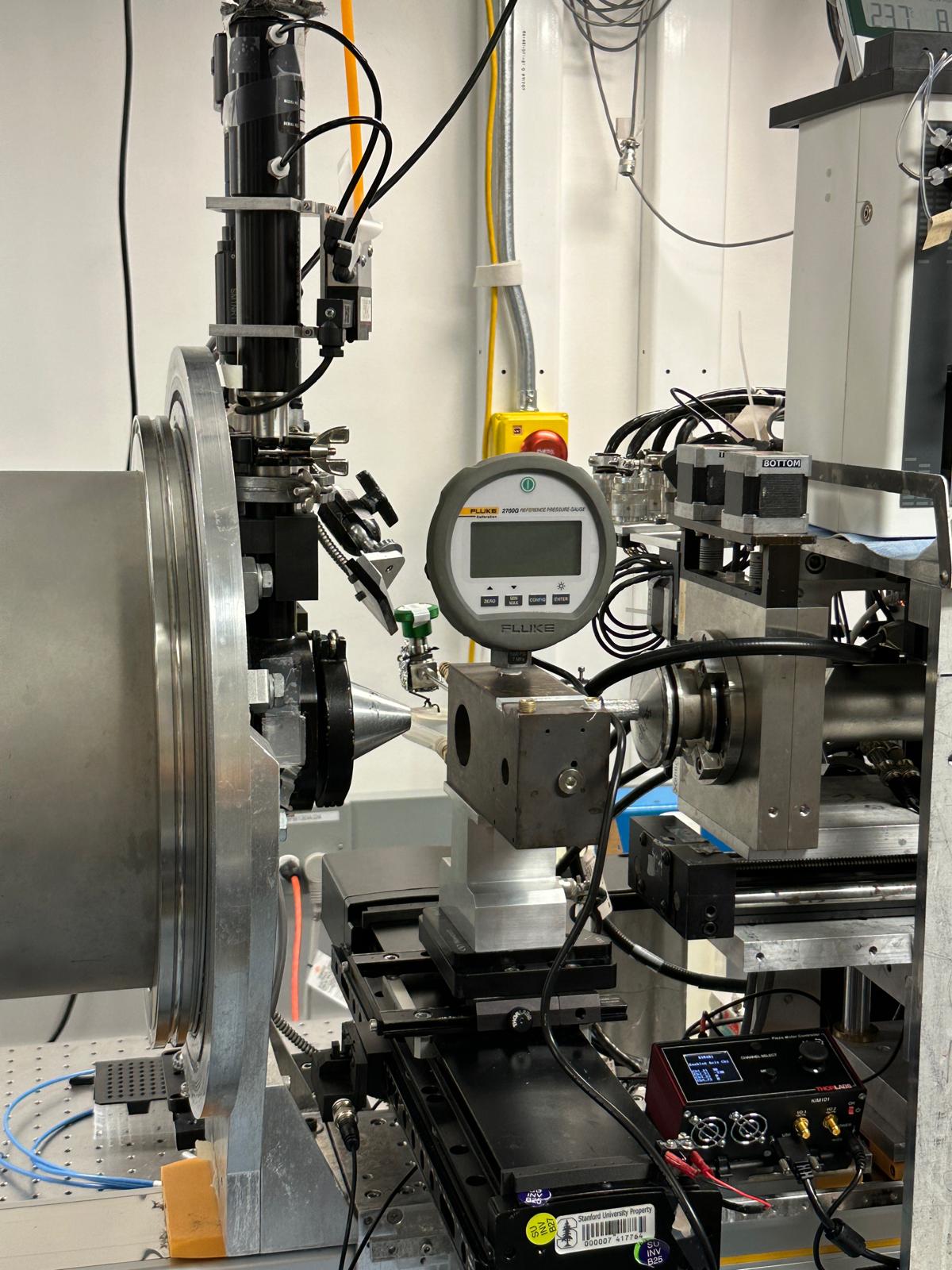
Xenon1g cell at SSRL BL4-2
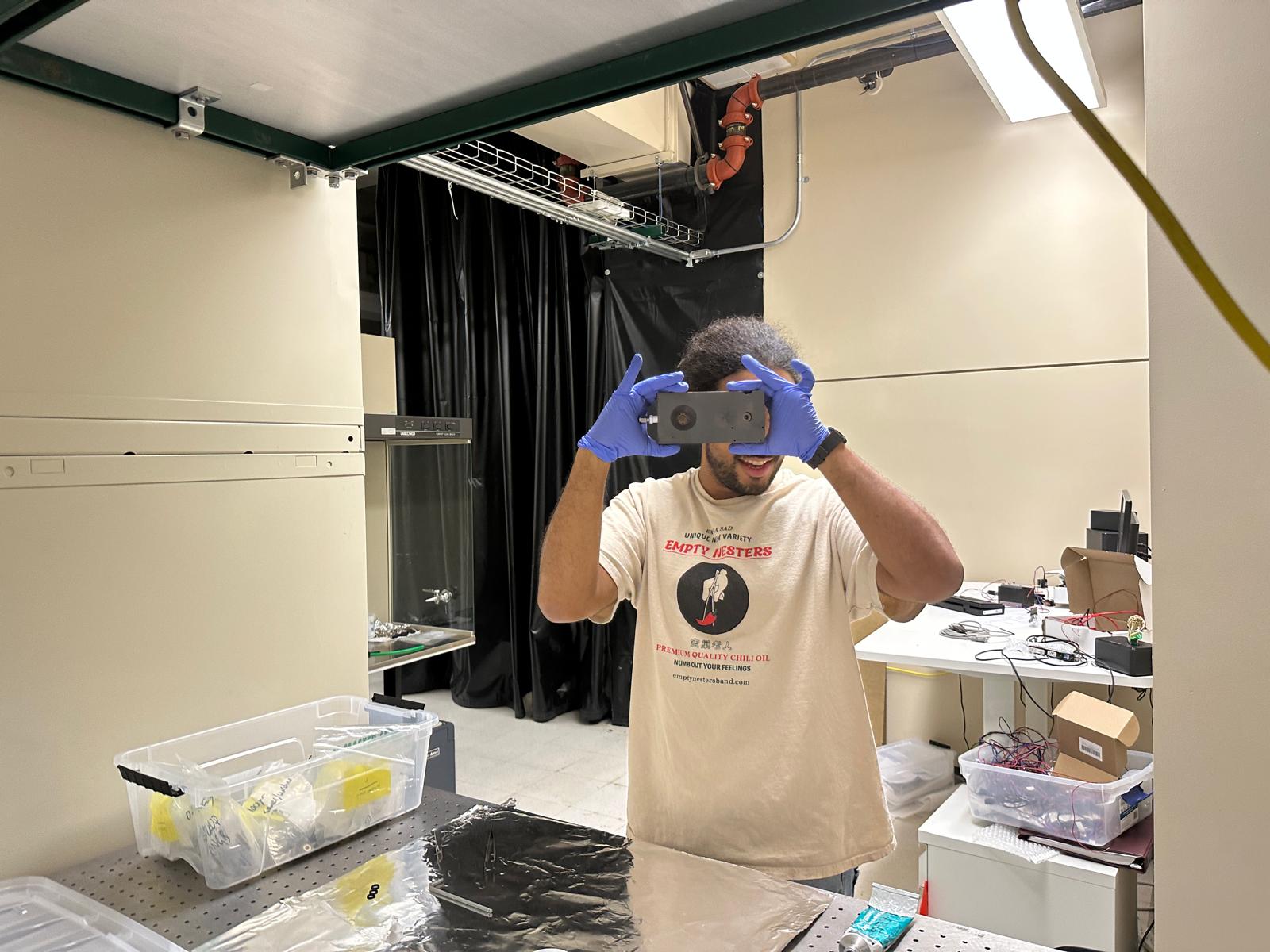
Soud with completed xenon1g high pressure SAXS cell
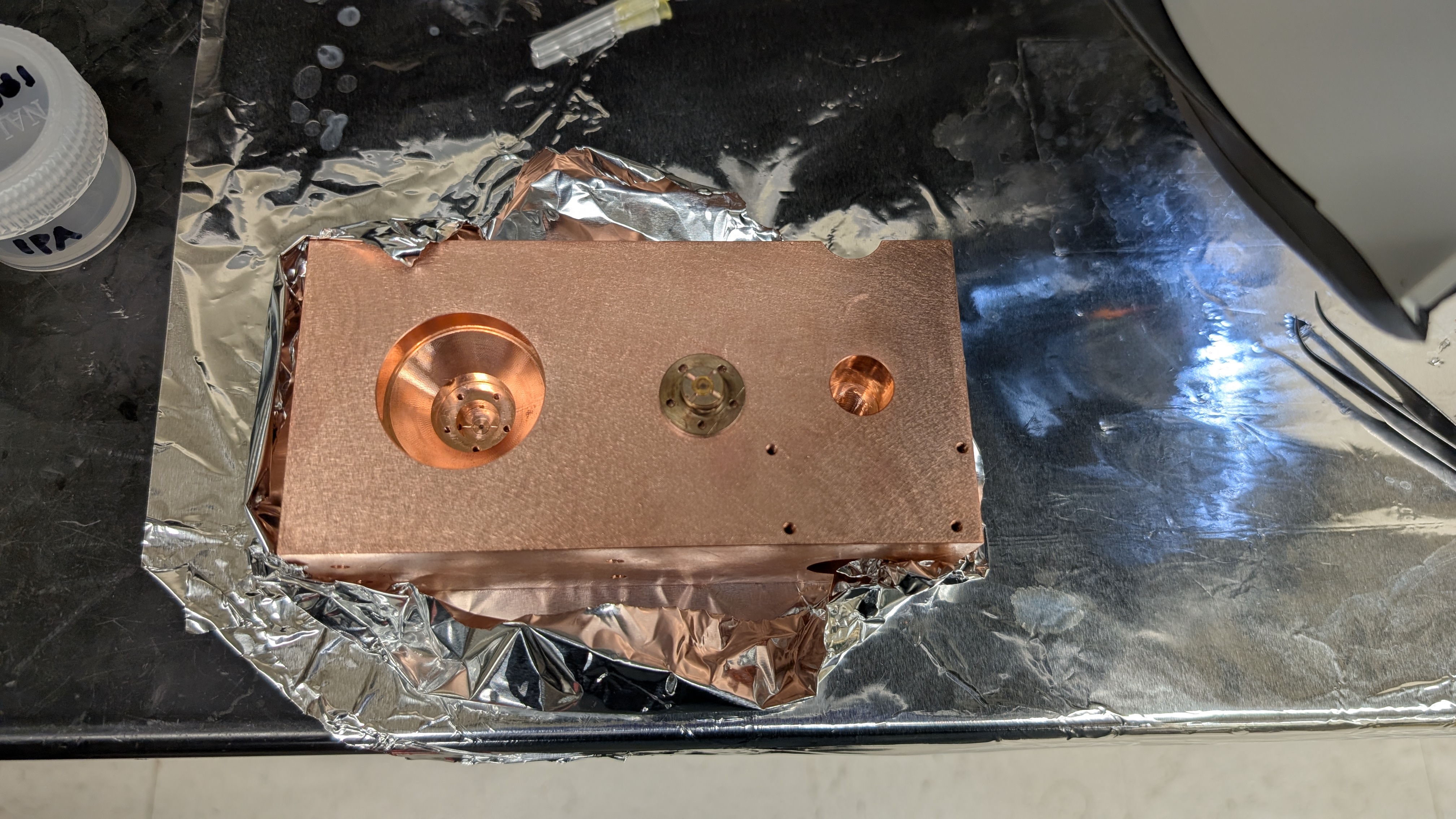
Cleaned copper xenon1g SAXS cell
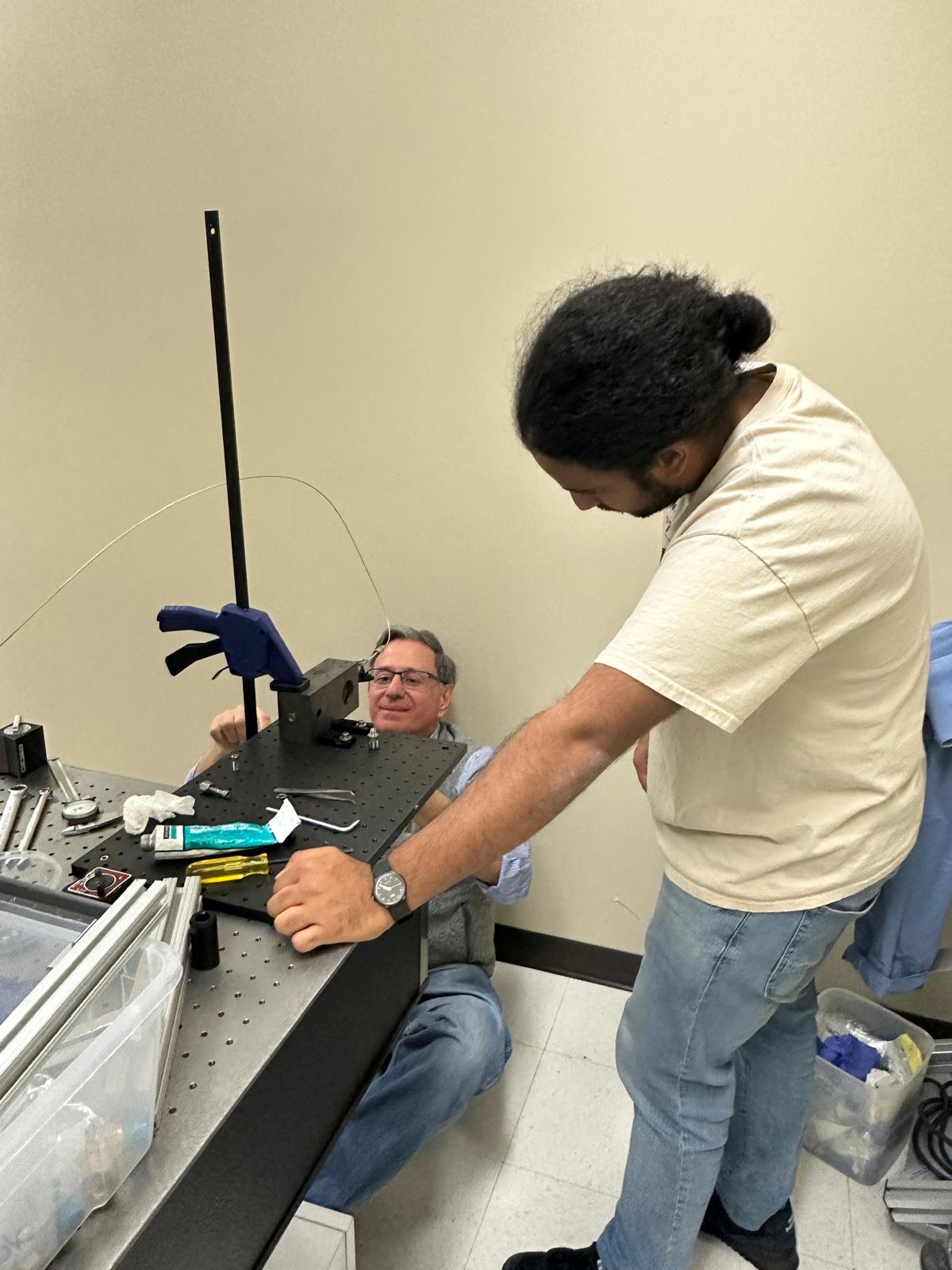
Giorgio machining components leading up to our beamtime
Laser ampule setup for interferometric measurements of the xenon density
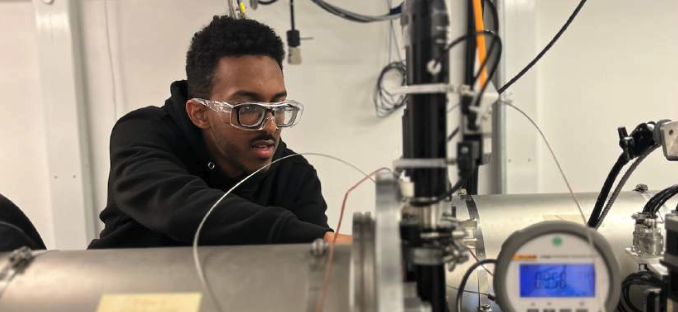
Barkotel at SSRL beamline 4-2
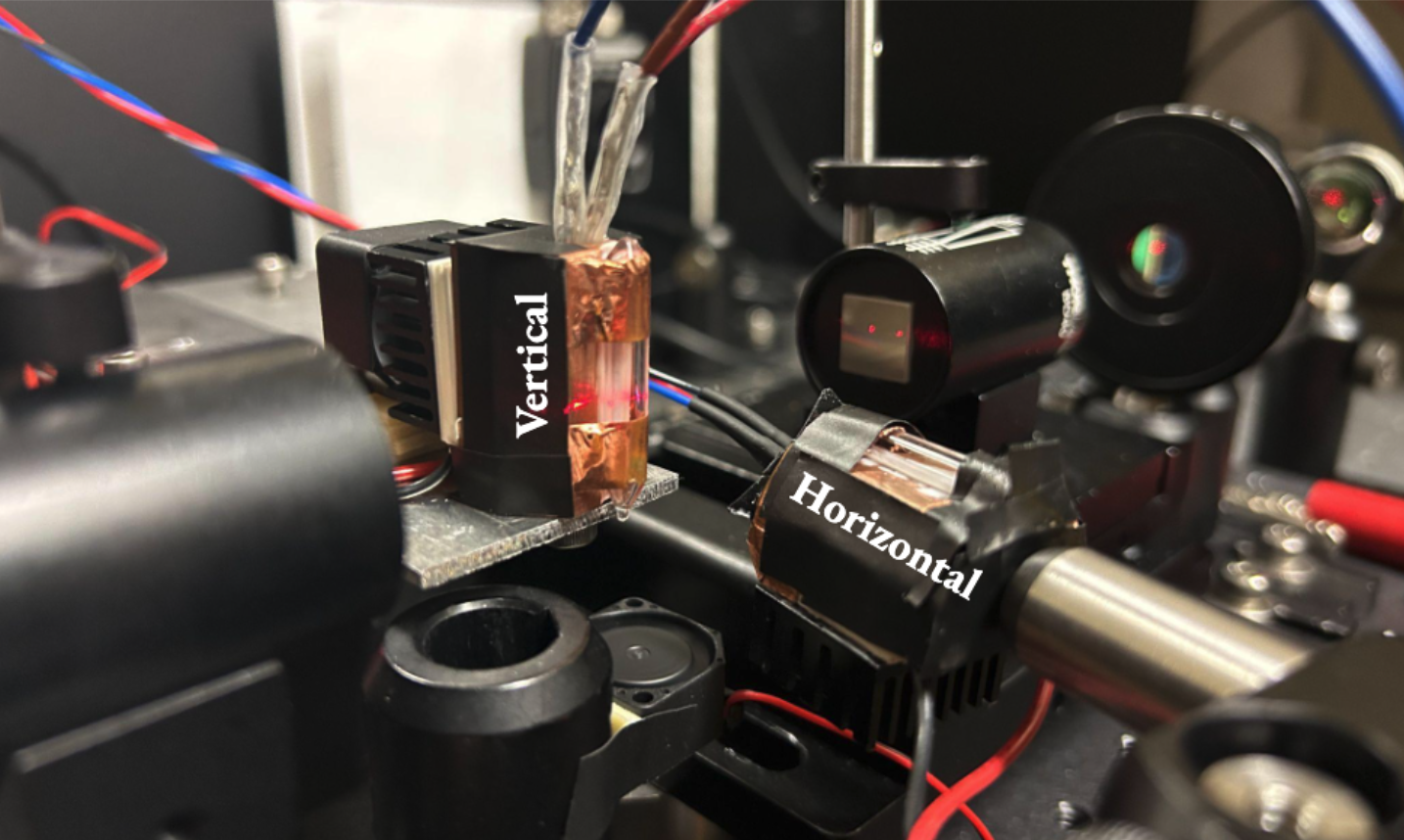
Mach-Zehnder interferometer to measure the density of the supercritical xenon in the test ampules
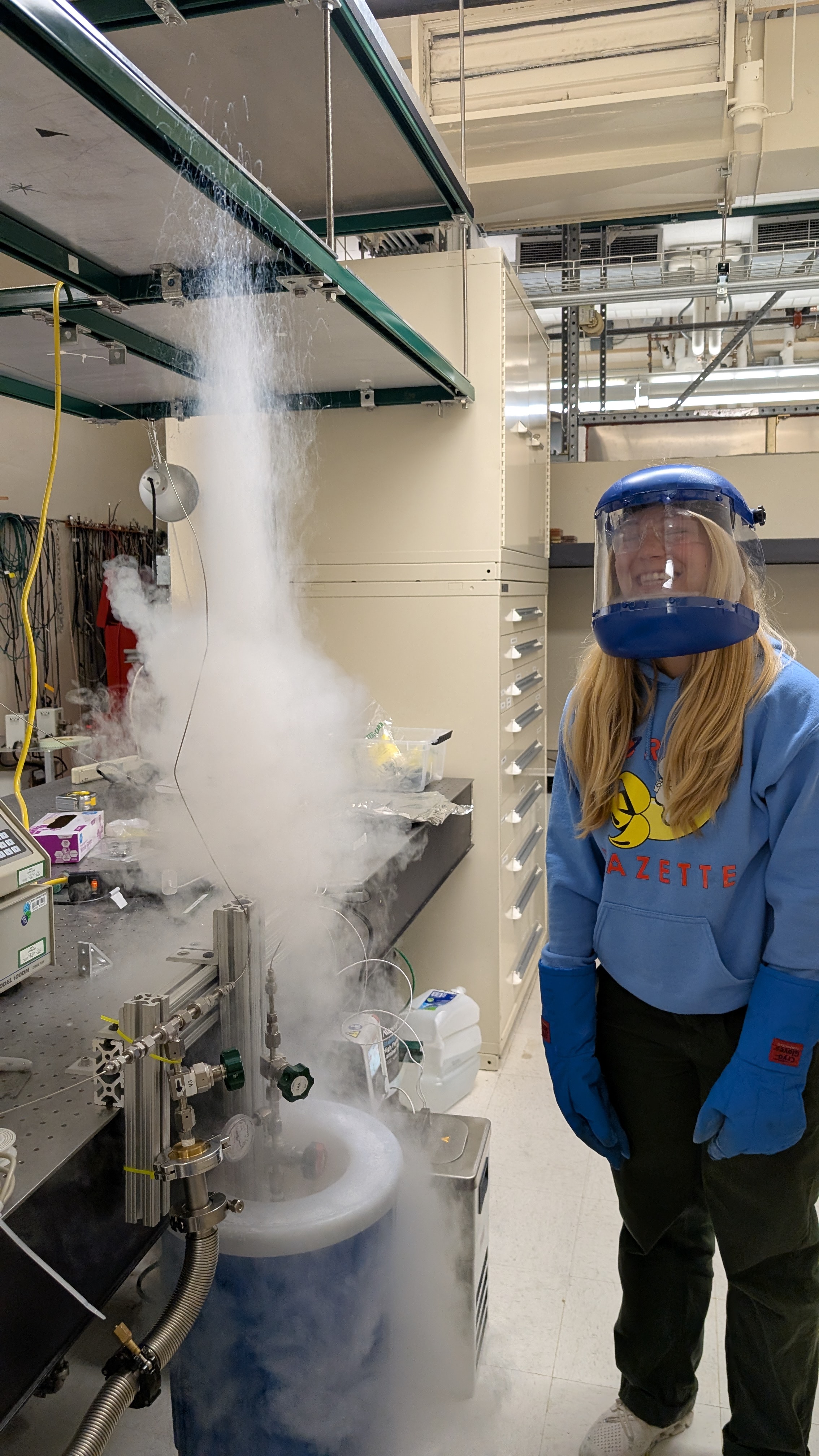
Meghan cryopumping xenon with liquid nitrogen
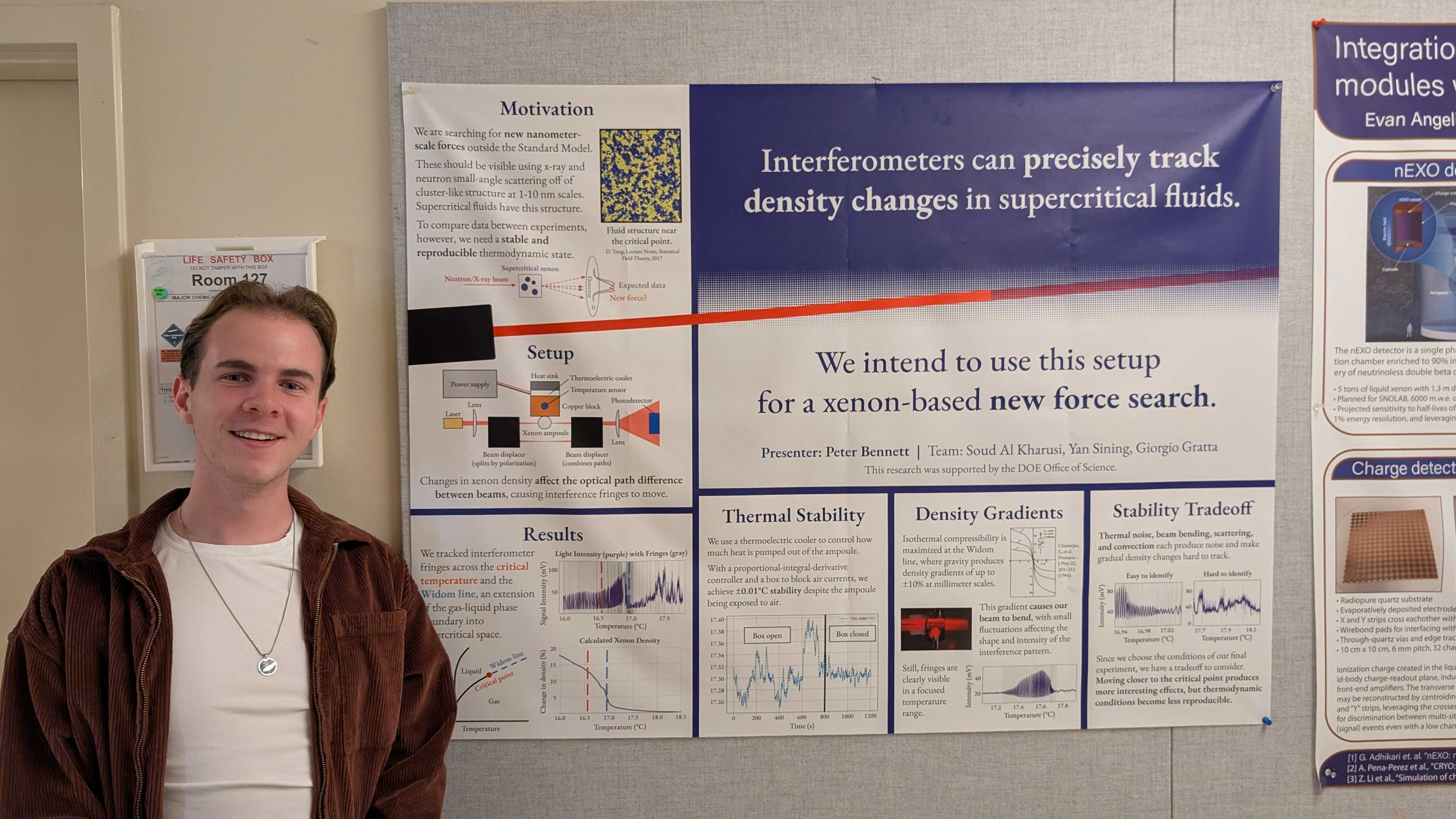
Peter presenting his poster
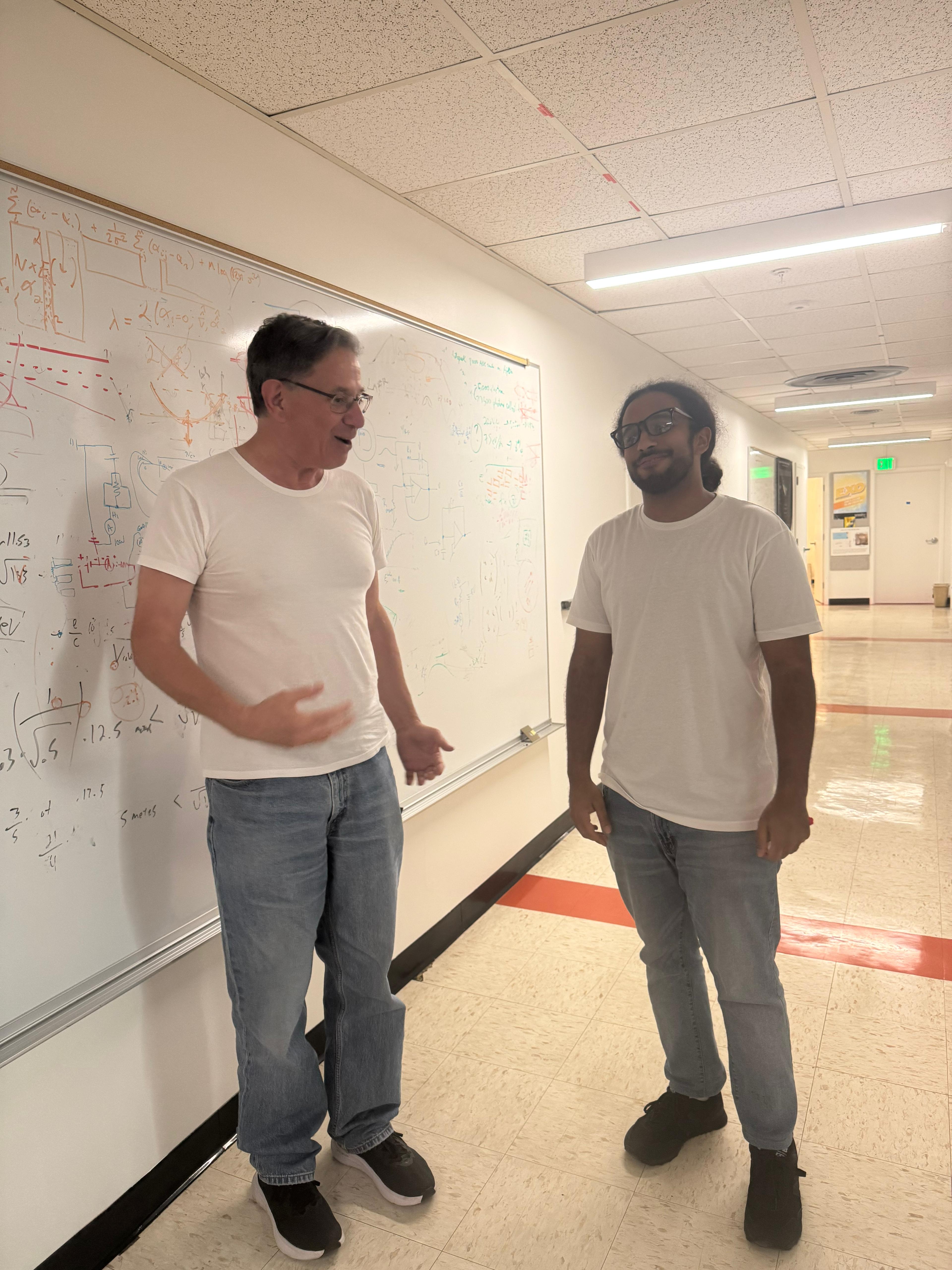
Soud and Giorgio happen to match
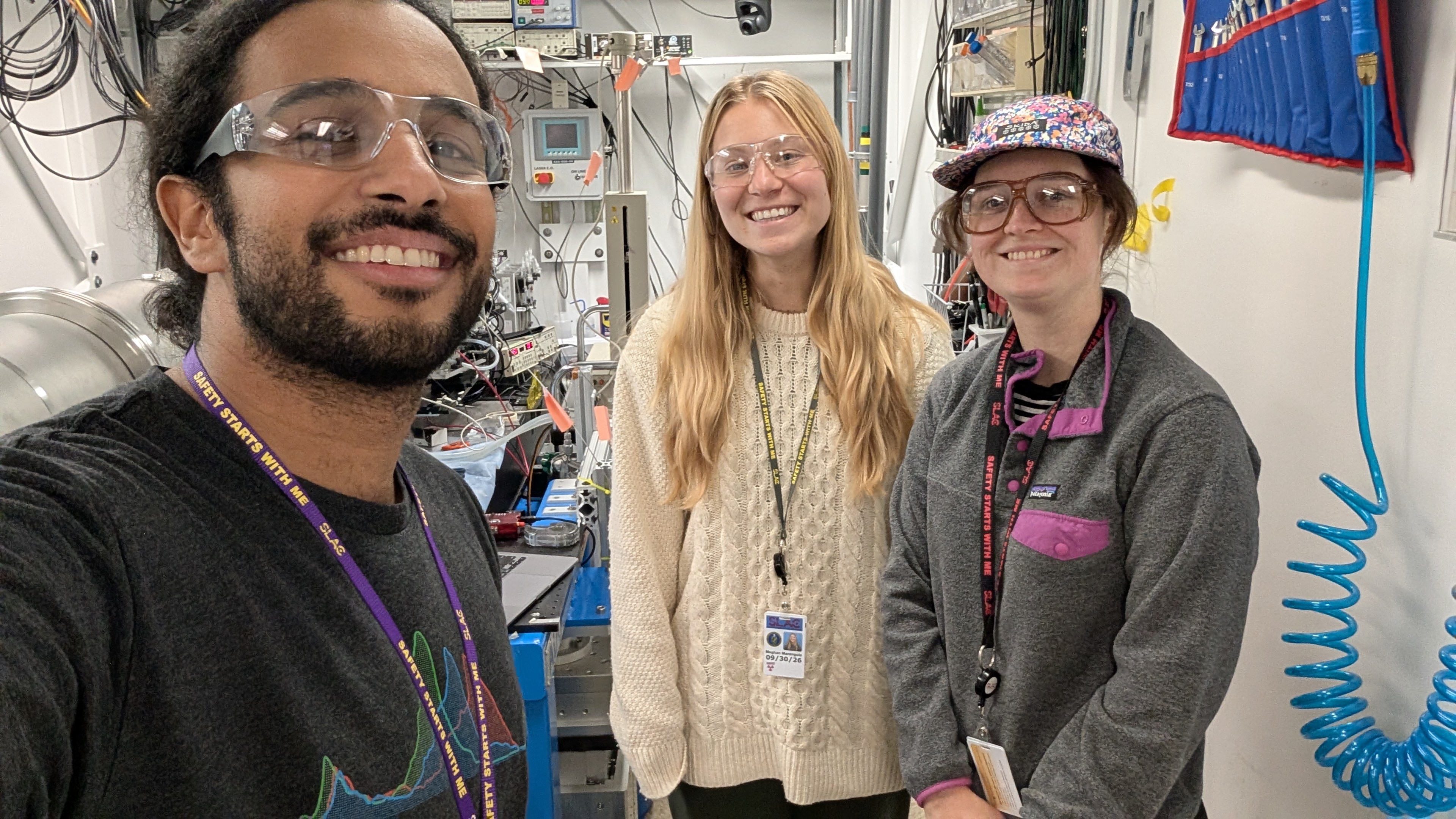
Soud, Meghan, and Chiara at SSRL

© Stanford University, Stanford, California 94305