
News
Our paper on the cooperativity between free radicals promoting selective methane oxidation is published in Joule!
Posted on Monday, May 04, 2026
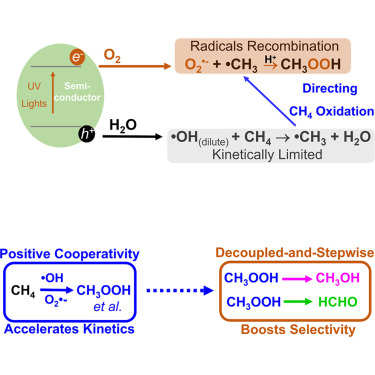
Catalytic strategies that can accelerate methane oxidation and control its selectivity have far-reaching environmental and economic implications. Free radicals are known to remove methane from the Earth’s atmosphere and are active species in the selective upgrading of methane to methanol. Conventional wisdom on determining active species focuses on their reactivity. Consequently, prevailing theories and models on room-temperature methane oxidation focus exclusively on the role of hydroxyl radicals. Here, we report the discovery of a positive cooperative effect between two radicals with distinct reactivities, which accelerates the rate of methane oxidation. We also demonstrate a decoupled-and-stepwise reaction strategy that boosts desired selectivity over traditional approaches. This research illustrates intriguing opportunities for leveraging active-species cooperativity to promote catalytic transformations. See the full paper for more details.
Our paper (EV-EcoSim) on the Design and Optimization of Electric Vehicle charging Infrastructure is published in IEEE Transactions on Smart Grid!
Posted on Friday, January 05, 2024
To enable the electrification of transportation systems, it is important to understand how technologies such as grid storage, solar photovoltaic systems, and control strategies can aid the deployment of electric vehicle charging at scale. In this work, we present EV-EcoSim, a co-simulation platform that couples electric vehicle charging, battery systems, solar photovoltaic systems, grid transformers, control strategies, and power distribution systems, to perform cost quantification and analyze the impacts of electric vehicle charging on the grid. This Python-based platform can run a receding horizon control scheme for real-time operation and a one-shot control scheme for planning problems, with multi-timescale dynamics for different systems to simulate realistic scenarios. We demonstrate the utility of EV-EcoSim via a case study focused on economic evaluation of battery size to reduce electricity costs while considering impacts of fast charging on the power distribution grid. We present qualitative and quantitative evaluations on the battery size in tabulated results. The tabulated results delineate the trade-offs between candidate battery sizing solutions, providing comprehensive insights for decision-making under uncertainty. Additionally, we demonstrate the implications of the battery controller model fidelity on the system costs and show that the fidelity of the battery controller can completely change decisions made when planning an electric vehicle charging site. See the full paper for more details.
Our conference paper (IEEE SmartGridComm) on Equitable Dynamic Electricity Pricing is now published!
Posted on Friday, January 05, 2024

Coordination of distributed energy resources is critical for electricity grid management. Although nodal pricing schemes can mitigate congestion and voltage deviations, the resulting prices are not necessarily equitable. In this work, we leverage market mechanisms for DER coordination and propose a daily dynamic nodal pricing scheme that incorporates equity. We introduce a pricing “oracle,” which we call the Power Distribution Authority, that sets equitable prices to manage the grid. We present two algorithms for executing this scheme and show that both methods are able to set prices that satisfy both voltage and equity constraints. Both proposed algorithms also outperform the common utility time-of-use pricing schemes by at least 45 percent. New market mechanisms are needed as the grid is transforming, and power system operators may leverage these methods for pricing electricity in a grid-aware, equitable fashion. See the full paper for more details.
Our paper on fine-grained distribution grid mapping is published in Nature Communications!
Posted on Thursday, August 17, 2023

Detailed and location-aware distribution grid information is a prerequisite for various power system applications such as renewable energy integration, wildfire risk assessment, and infrastructure planning. However, a generalizable and scalable approach to obtain such information is still lacking. In this work, we develop a machine-learning-based framework to map both overhead and underground distribution grids using widely-available multi-modal data including street view images, road networks, and building maps. Benchmarked against the utility-owned distribution grid map in California, our framework achieves > 80% precision and recall on average in the geospatial mapping of grids. The framework developed with the California data can be transferred to Sub-Saharan Africa and maintain the same level of precision without fine-tuning, demonstrating its generalizability. Furthermore, our framework achieves a R2 of 0.63 in measuring the fraction of underground power lines at the aggregate level for estimating grid exposure to wildfires. We offer the framework as an open tool for mapping and analyzing distribution grids solely based on publicly-accessible data to support the construction and maintenance of reliable and clean energy systems around the world. Zhecheng Wang is the first author of this paper, and Prof. Majumdar is one of the corresponding authors. See the full paper for more details.
Our paper on wildfire-resilient power grids is published in Nature Energy!
Posted on Monday, August 7, 2023

Climate-induced extreme weather conditions make electricity infrastructure more vulnerable. They increase the risk of power-line-ignited wildfires which can, in turn, jeopardize electric power delivery. Here, leveraging machine learning, we show that lower-income communities in California not only have lower fractions of power distribution lines undergrounded, but overhead lines and poles in their neighbourhoods are also more vulnerable to wildfires. Should they bear the cost of undergrounding fire-prone lines themselves, they would have to pay a disproportionately higher cost per household. We propose a cost allocation scheme with an income threshold below which the cost is borne by utility-wide ratepayers and above which the cost is borne locally. This scheme can not only minimize the average of undergrounding costs per household as a share of income, but also homogenize such cost–income ratios across communities. Our research demonstrates the opportunity to appropriately integrate existing policies to make electricity infrastructure affordable, equitable and reliable amidst climate change. Zhecheng Wang is the first author of this paper, and Prof. Majumdar is one of the corresponding authors. See the full paper for more details.
Our paper on electron charge density imaging in monolayer MoS2 at the Ångstrom scale is published in Nature Communications!
Posted on Thursday, July 20, 2023
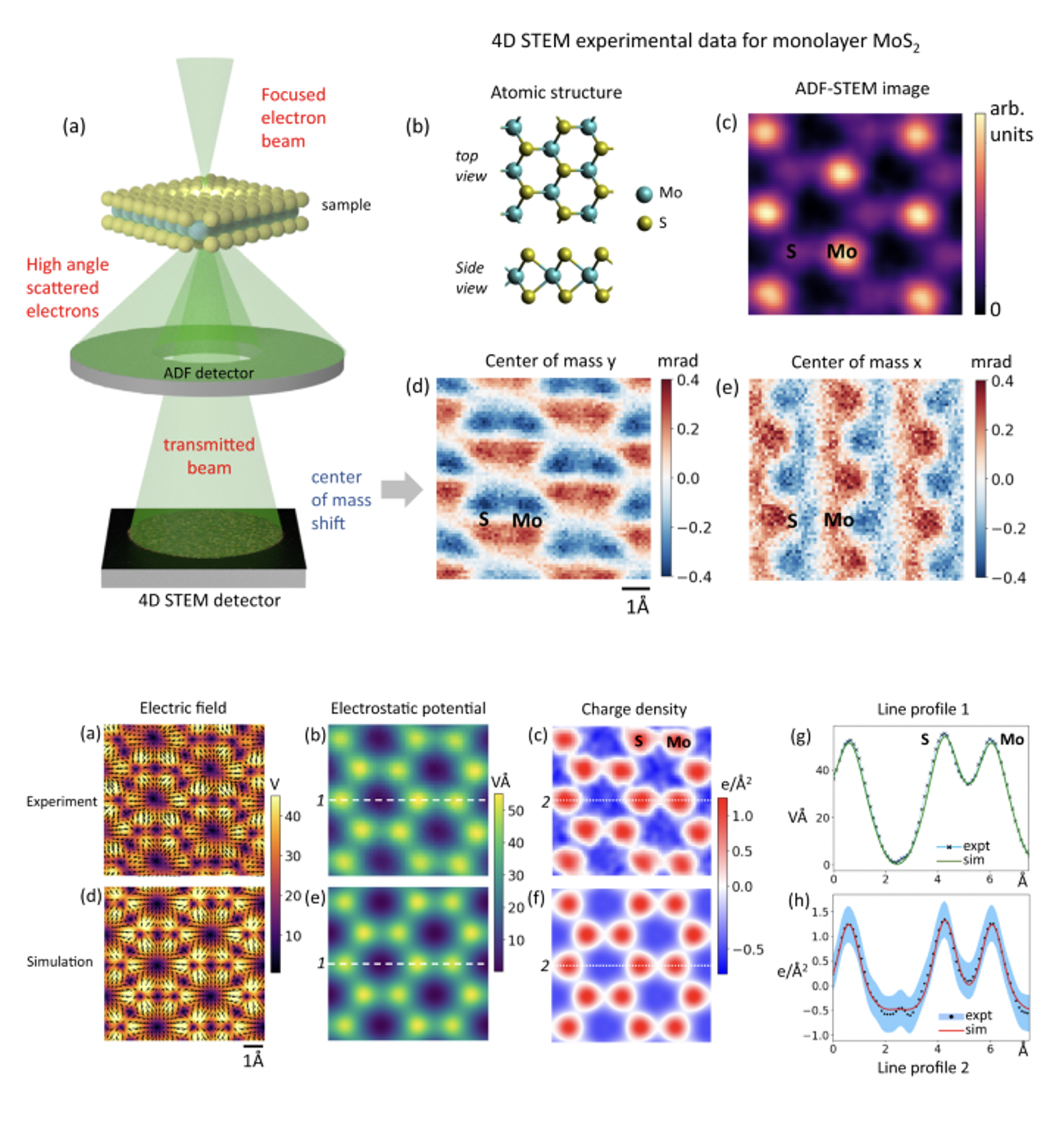
Four-dimensional scanning transmission electron microscopy (4D-STEM) has recently gained widespread attention for its ability to image atomic electric fields with sub-Ångstrom spatial resolution. These electric field maps represent the integrated effect of the nucleus, core electrons and valence electrons, and separating their contributions is non-trivial. In this paper, we utilized simultaneously acquired 4D-STEM center of mass (CoM) images and annular dark field (ADF) images to determine the projected electron charge density in monolayer MoS2. We evaluate the contributions of both the core electrons and the valence electrons to the derived electron charge density; however, due to blurring by the probe shape, the valence electron contribution forms a nearly featureless background while most of the spatial modulation comes from the core electrons. Our findings highlight the importance of probe shape in interpreting charge densities derived from 4D-STEM and the need for smaller electron probes. Joel Martis is the first author of this paper, and Prof. Majumdar is the leading corresponding author. See the full paper for more details.
Our methane-to-methanol paper is published on Nano Letters!
Posted on Thursday, March 9, 2023

The high activation barrier of the C–H bond in methane, combined with the high propensity of methanol and other liquid oxygenates toward overoxidation to CO2, have historically posed significant scientific and industrial challenges to the selective and direct conversion of methane to energy-dense fuels and chemical feedstocks. Here, we report a unique core–shell nanostructured photocatalyst, silica encapsulated TiO2 decorated with AuPd nanoparticles (TiO2@SiO2-AuPd), that prevents methanol overoxidation on its surface and possesses high selectivity and yield of oxygenates even at high UV intensity. This room-temperature approach achieves high selectivity for oxygenates (94.5%) with a total oxygenate yield of 15.4 mmol/gcat·h at 9.65 bar total pressure of CH4 and O2. The working principles of this core–shell photocatalyst were also systematically investigated. This design concept was further demonstrated to be generalizable for the selective oxidation of other alkanes. Our former postdoctoral fellow Chenlu Xie is the 1st author and she just started her independent career at ShanghaiTech. Prof. Majumdar and Prof. Xie are the corresponding authors. Chenlu, Best Wishes For Your Future Endeavors! See the full paper for more details.
Our DeepSolar++ paper is published on Joule!
Posted on Wednesday, November 16, 2022
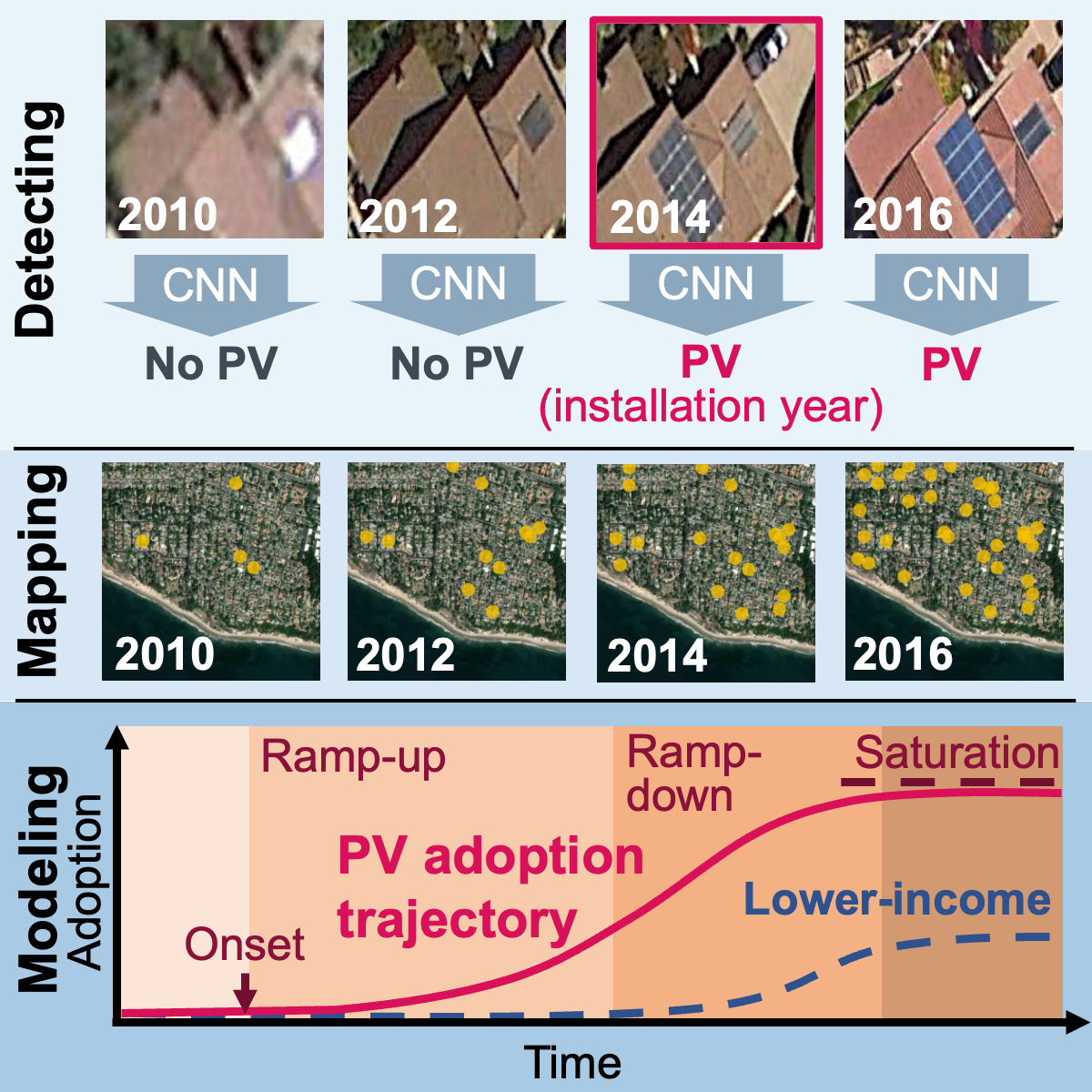
Solar photovoltaic (PV) systems are being deployed at a rapid yet non-uniform pace. To explain this heterogeneity across space and time, we applied computer vision to historical satellite and aerial images and constructed a spatiotemporal dataset of PV deployment in the United States. We analyzed the data using a technology diffusion model and found that low-income communities are not only delayed in their PV adoption onset but also saturate more quickly at lower levels. We also found that certain types of incentives are associated with a high saturated adoption level in low-income communities, whereas other types are not. The computer vision model we developed can be scaled to any location on Earth where historical aerial or satellite images are available at a sufficient resolution. Additionally, we make our dataset publicly available as a resource for researchers, policymakers, and other stakeholders to understand PV adoption dynamics and customize policy design. Zhecheng Wang is the first author. Professor Majumdar and Professor Rajagopal are the corresponding authors. See the full paper, project website, and Stanford News for more details.
Our paper on Iron-poor ferrites for low-temperature CO2 conversion is published on ACS Sustainable Chemistry & Engineering featured as the cover!
Posted on Monday, September 19, 2022

CO2 utilization via the reverse water–gas-shift (RWGS) reaction for the production of CO and then long-chain hydrocarbons is a potentially scalable method to mitigate rising global CO2 emissions, if appreciable CO yields can be achieved at low reaction temperatures. Here, we report that Fe0.35Ni0.65Ox achieves, to the best of our knowledge, a record high experimentally measured CO yield of 80 mL CO/gMOx/cycle at low reaction temperatures (500 °C for both oxidation and reduction steps) in a chemical looping (CL) process. This reported yield is substantially higher than previously reported RWGS-CL metal oxides at 500 °C. We identified the composition of the metal oxide Fe0.35Ni0.65Ox using the Calculation of Phase Diagrams (CALPHAD) methodology to screen and filter through many combinations of metal oxides. We then experimentally tested this Fe0.35Ni0.65Ox metal oxide for chemical looping RWGS and utilized X-ray characterization techniques and CALPHAD to find that a spinel to metallic phase transition gives Fe0.35Ni0.65Ox its noteworthy CO yield and oxygen capacity. We emphasize the importance of thermodynamics calculations and CALPHAD screening to quickly search through the vast design space of metal oxides to greatly reduce the amount of necessary experimentation. Jimmy Rojas and Eddie Sun equally contributed to this work. Prof. Majumdar is the corresponding author. See the full paper for more details.
Our paper on thermodynamic guiding principles of materials for thermochemical looping is published!
Posted on Monday, January 10, 2022
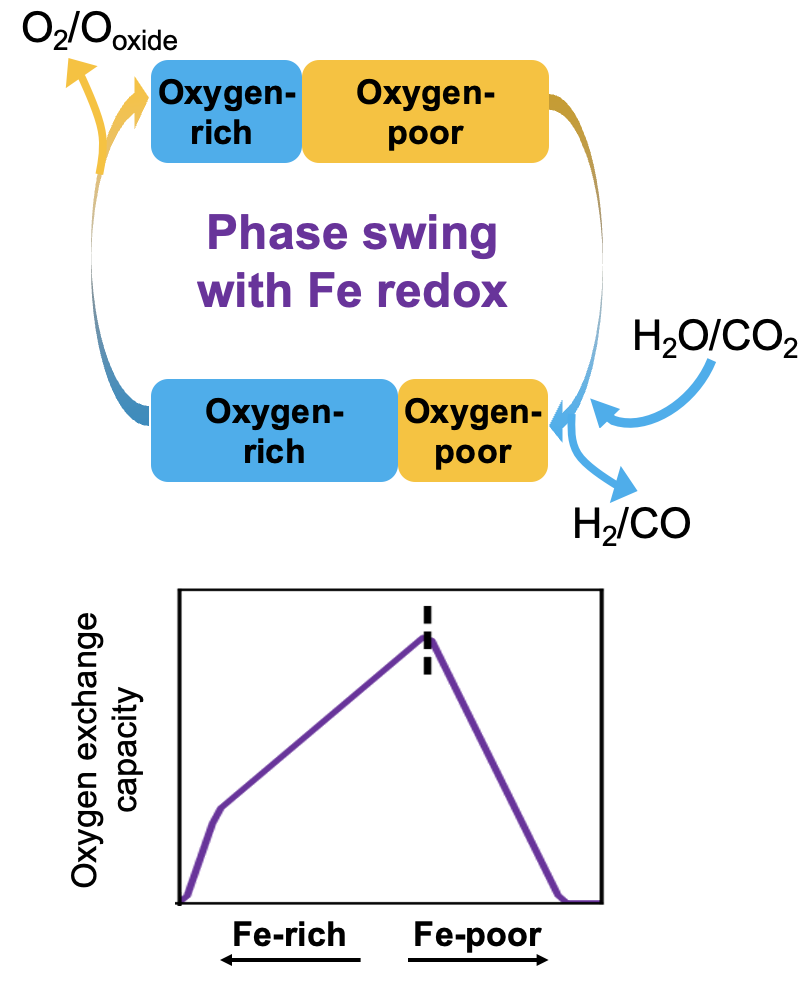
Thermochemical looping splitting of water and carbon dioxide with greenhouse-gas-free (GHG-free) energy has the potential to help address the Gt-scale GHG emissions challenge. Reaction thermodynamics largely contributes to the main bottlenecks of cost reduction for thermochemical looping water/CO2 splitting cycle. Here, we analyze thermodynamic driving forces in such cycles with two-phase ternary ferrites as model systems. We find that cation configurational entropy chiefly determines the change of partial molar entropy with oxygen stoichiometry. In addition, our phase diagram analysis accurately predicts the optimal Fe ratio for maximal water/CO2 splitting capacity in thermal reduction and in chemical reduction based cycles, underlining the significance of phase boundary positions. With chemical reduction, >10% CO2 conversion and high oxygen exchange capacity can both be achieved. Furthermore, our reduced Gibbs free energy model illustrates critical thermodynamic factors that influence the water/CO2 splitting capacity. Our research reveals the thermodynamic driving forces underlying the unconventional high-capacity Fe-poor ferrites, further explained via phase diagrams of Fe–Co–O, Fe–Ni–O and Fe–Mg–O. Future materials improvements can be guided by our reduced Gibbs free energy model. Shang is the first author of the paper. See the paper here.
America needs a new hydrogen economy to tackle climate change
Posted on Monday, August 29, 2021

Recently, professor Majumdar and his colleagues published a commentary on Joule which discussed the framework for a hydrogen economy with its important role in tackling climate change. Creating a zero-emissions electric grid with solar, wind, nuclear, hydro and storage is necessary, but far from sufficient. We also need a clean fuel to reduce emissions from industrial heat, long-haul heavy transportation and long-duration energy storage. Hydrogen, produced without greenhouse (GHG) gas emissions, is a prime candidate. A comprehensive hydrogen strategy, as well as a decadal plan for the country, need to be developed. The R&D should also be integrated with a private-public partnership, and federal and/or state authorities should adopt policies to support a hydrogen market to achieve the goal. See details here.
New custom built high pressure photoreactors!
Posted on Monday, May 24, 2021
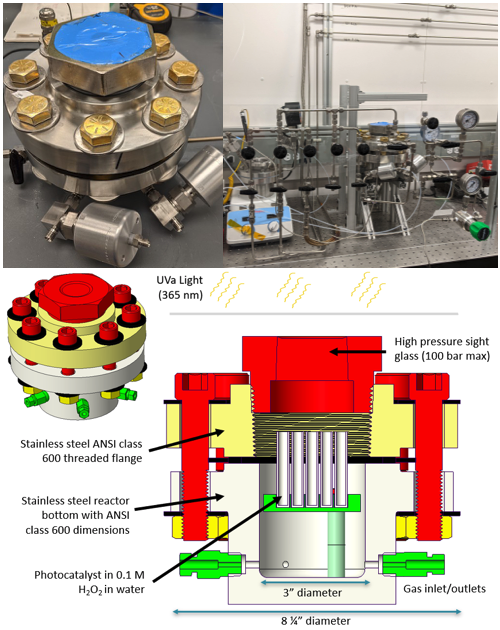
We have a two new high pressure photoreactors! One photoreactor is capable of 10 bar pressure while the other (pictured) can reach pressures of up to 100 bar. Currently, the higher pressure reactor is configured for 30 bar operation. These photoreactors will be used for our photocatalytic methane to methanol project sponsored by the U.S. Department of Energy National Energy Technology Laboratory (DOE NETL). Big thanks to Dr. Andrew Tong from Susteon Inc./Ohio State University for 1) assisting us with the design of the photoreactors and 2) travelling to Stanford to help us with the reactor build.
Jimmy's paper on metal oxides for chemical looping hydrogen production published in Cell Reports Physical Science!
Posted on Monday, March 22, 2021

Chemical looping hydrogen (CLH) production is a promising pathway that can offer both use of renewable resources and efficient CO2 capture capabilities. Here, we use the CALculation of PHase Diagrams (CALPHAD) thermodynamic database to study the water conversion capability of metal oxides (MOx) for CLH. We report the discovery of iron-based oxides with thoretical hydrogen yields up to 8 times higher than those of state-of-the-art oxides (e.g.,ceria and ferrites). More specifically, Fe0.4Co0.6Ox is found to have a theoretical conversion efficiency capability > 50% at 700℃. Experimental results are presented, and a technoeconomic model quantifies the importance of MOx oxygen capacity and water conversion in this process. This reflects the potential of CLH production with a hydrogen cost of $1.25G ± $0.38/kg ata scale of 50 tons per day. This is comparable to steam methane reforming but with the added benefit of producing a stream of pure CO2. Jimmy Rojas is the first author and Professor Majumdar is the corresponding author. Click here to read the paper.
Our work on nanometer-scale photoabsorption imaging published in Nano Letters and featured as cover!
Posted on Thursday, March 11, 2021

Optical imaging with nanometer resolution offers fundamental insights into light–matter interactions. Traditional optical techniques are diffraction limited with a spatial resolution >100 nm. Optical super-resolution and cathodoluminescence techniques have higher spatial resolutions, but these approaches require the sample to fluoresce, which many materials lack. Here, we introduce photoabsorption microscopy using electron analysis, which involves spectrally specific photoabsorption that is locally probed using a scanning electron microscope, whereby a photoabsorption-induced surface photovoltage modulates the secondary electron emission. We demonstrate spectrally specific photoabsorption imaging with sub-20 nm spatial resolution using silicon, germanium, and gold nanoparticles. Theoretical analysis and Monte Carlo simulations are used to explain the basic trends of the photoabsorption-induced secondary electron signal. Based on our current experiments and this analysis, we expect that the spatial resolution can be further improved to a few nanometers, thereby offering a general approach for nanometer-scale optical spectroscopic imaging and material characterization. Ze Zhang, Joel Martis, Xintong Xu, Hao-Kun Li, and Chenlu Xie contributed a lot to this work and Professor Majumdar is the corresponding author. Click here to read the paper.
Our work on sub-nanometer scale imaging published and featured as cover in APL!
Posted on Tuesday, January 26, 2021

Imaging of optical phenomena at the sub-nanometer scale can offer fundamental insights into the electronic or vibrational states in atomic-scale defects, molecules, and nanoparticles, which are important in quantum information, heterogeneous catalysis, optoelectronics, and structural biology. Several techniques have surpassed the traditional Abbe diffraction limit and attained spatial resolutions down to a few nanometers, but sub-nanometer scale optics has remained elusive. Our team propose an approach that combines spectrally specific photoabsorption with sub-nanometer scale resolution transmission electron microscopy (TEM) of photoexcited electrons. We first estimate the signal level and conditions required for imaging nanoscale optical phenomena in core-shell quantum dots (QDs) like CdS/CdTe. Furthermore, we show the possibility of imaging photoexcited states of atomic-scale defects in a monolayer hexagonal boron nitride (h-BN) using ab initio and high resolution (HR)TEM simulations. The ability to directly visualize photoexcited states at the sub-nanometer scale opens opportunities to study properties of individual quantum dots and atomic defects. Ze Zhang, Joel Martis, and Hao-Kun Li contributed a lot to this work and Professor Majumdar is the corresponding author. Click here to read the paper.
Shang has graduated as a ME-PhD. Congratulations!
Posted on Monday, September 28, 2020

Shang Zhai has graduated with a PhD in Mechanical Engineering and a PhD Minor in Materials Science and Engineering at Stanford University. His PhD research is on splitting water and CO2 with iron-based oxides. The research topics cover materials design strategies, thermodynamic driving force and system technoeconomics.
Our work on thermochemical CO2 dissociation using iron-poor ferrites published!
Posted on Thursday, January 9, 2020
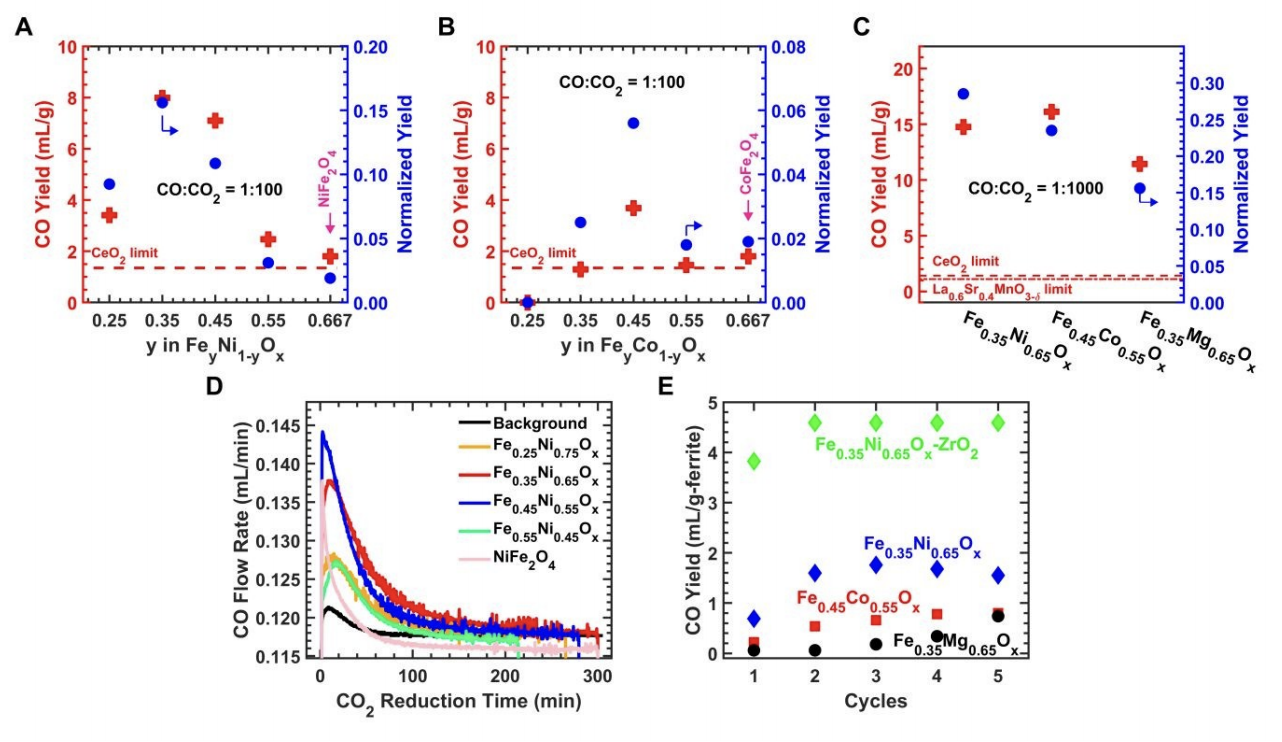
Dissociation of CO2 to form CO can play a key role in decarbonizing our energy system. We proposed a two-step thermochemical cycle using a variety of iron-poor (Fe-poor) ferrites (FeyM1-yOx where y < 2/3) that produces CO with unusually high yield using Fe as the redox active species. We reported the opposite result to conventional findings that at partial pressure ratio CO:CO2 = 1:100, we demonstrated the CO yields of 8.0 ± 1.0 mL-CO/g from Fe0.25Ni0.65Ox, and 3.7 ± 1.0 mL-CO/g from Fe0.45Ni0.55Ox, at a thermal reduction temperature of 1300°C; remarkably, these CO2 dissociation capacities are significantly higher than those of state-of the-art materials such as spinel ferrites, (substituted) ceria, and Mn-based perovskite oxides. Optimization of kinetics of Fe-poor ferrites with ZrO2 support resulted in higher CO yields per gram of ferrite. The unexpected CO yield vs. Fe ratio trend is consistent with the prediction of calculated ternary phase diagrams, which suggest a swing between spinel and rocksalt phases. Shang Zhai and Jimmy Rojas are the primary student authors and Professor Majumdar is the primary corresponding author. Click here to read the paper.
Our work on Electrochemical Redox Refrigeration is published on Scientific Reports!
Posted by Zhecheng on Wednesday, September 30, 2019

The high conformational entropy change of the Fe(CN)63−/4− redox reaction can be used as the basis for a compact electrochemical refrigerator. In this work, we use infrared microscopy to visualize the thermal aspects of Fe(CN)63−/4− redox, and compare the estimated cooling to calculated values with and without electrolyte flow. While the temperature differences achieved in a single cell are small (~50 mK) and not enhanced by electrolyte flow, the cooling power density (~0.5 W/cm3) is high when normalized to the small electrode volume. Non-dimensional figures of merit are proposed to identify electrochemical redox species for maximizing the cooling effect. Ian McKay and Larissa Kunz are the student authors and Professor Majumdar is the corresponding author. Click here to read the paper.
DeepSolar is online on Joule
Posted by Zhecheng on Wednesday, December 19, 2018

People in Magic Lab have built a nearly complete solar installation database for the contiguous US utilizing a novel deep learning model applied to satellite imagery. The data are published as the first publicly available, high-fidelity solar installation database in the contiguous US. DeepSolar database can be a useful resource for researchers, utilities, solar developers, and policymakers to further uncover solar deployment patterns, build comprehensive economic and behavioral models, and ultimately support the adoption and management of solar electricity. This work have been published as the featured article on Joule. Our lab member, Zhecheng Wang is one of the co-authors of this paper. Professor Arun Majumdar and Professor Ram Rajagopal are corresponding authors of this paper. Click here to read the paper. Also see the project website and the Stanford News coverage.
SEM refurbished!
Posted by Zhecheng on Tuesday, August 14, 2018
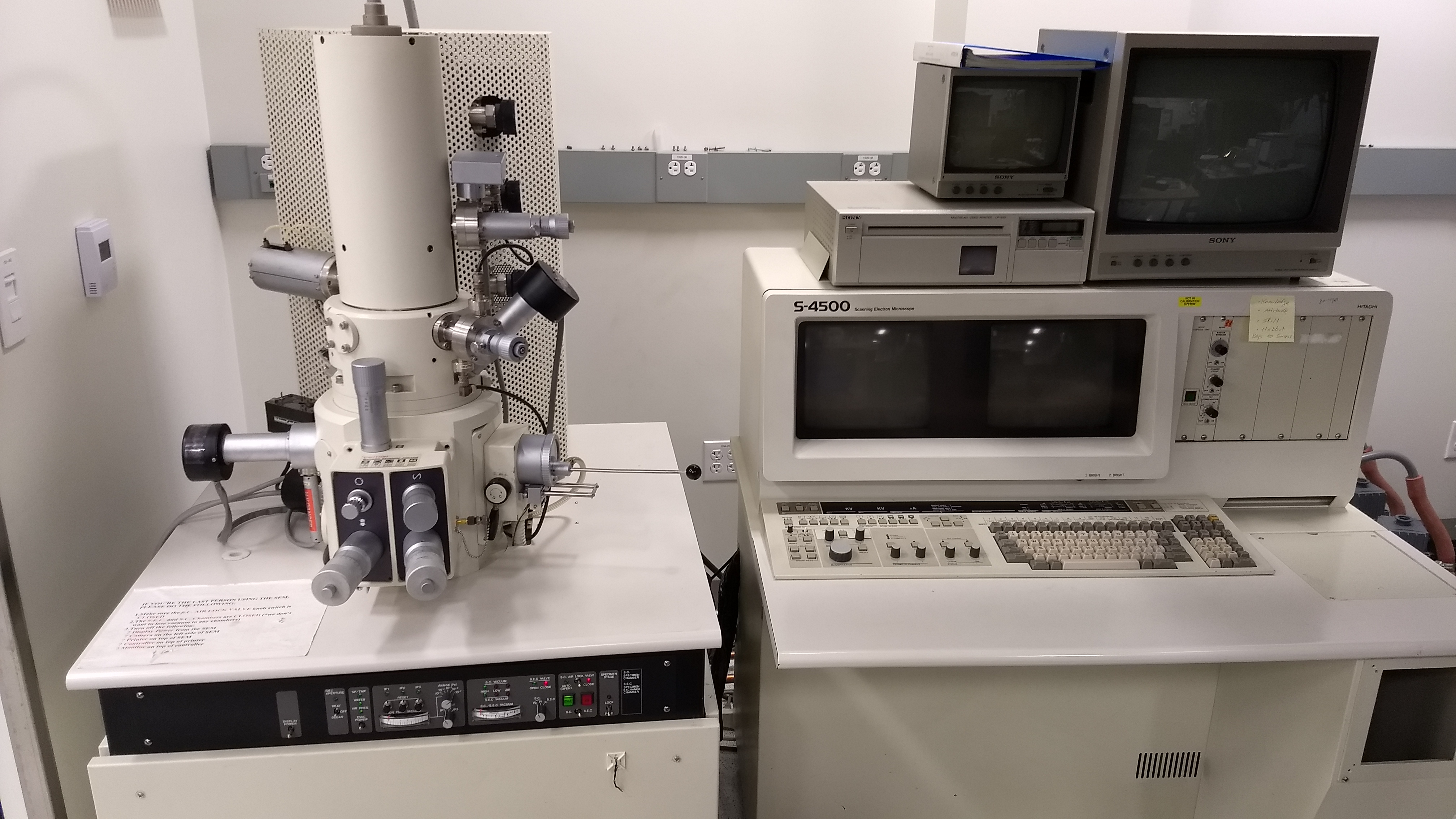
Magic Lab has gotten the scanning electron microscope (SEM) refurbished and it is now functioning well, making the group officially entered the world of microscopy. SEM is a type of electron microscope that produces images of a sample by scanning the surface with a focused beam of electrons. This SEM will be the used as an essential device for implementing and testing several ideas that we're trying out to improve signal to noise in microscopy. Joel Martis and Ze Zhang are taking the responsibility of this work.
Our paper on continuous electrochemical heat engines got published!
Posted by Zhecheng on Wednesday, August 1, 2018
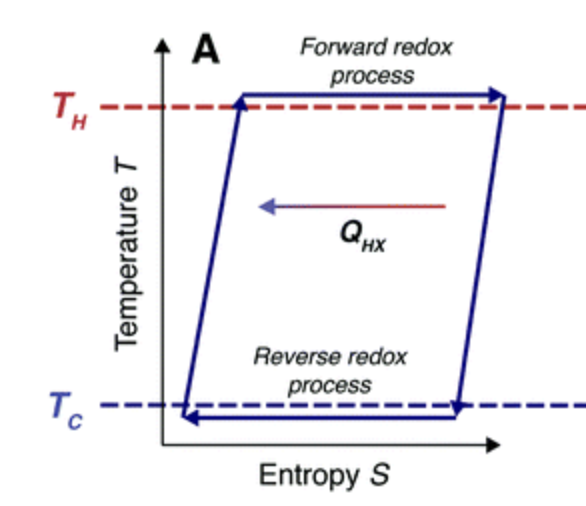
The United States alone rejects over 60% of its primary energy intake as heat, at a variety of temperatures above ambient. Harvesting the rejected heat efficiently can meaningfully contribute to reducing carbon emissions. We have proposed continuous electrochemical heat conversion as a direct method of harvesting heat to electricity. Using flow cells and solid-oxide cells respectively, we build proof-of-principle heat harvesters operating both near ambient conditions, and at high temperatures. Importantly, electrochemical heat engines can use any redox-active fluids, including gases, not just ones directly conducting electrical charge, and do not rely on fixed-temperature phase transitions. We show that the geometry of electrochemical cells yields to optimization of power and efficiency, and lets us sidestep the constraints of cycle-based and thermoelectric direct heat harvesters. High efficiencies and relevant power densities are both achievable for continuous electrochemical heat engines. This work have been published on Energy and Environmental Science. Our lab members, Ian McKay is one of the co-authors of this paper. Professor William Chueh and Professor Arun Majumdar are corresponding authors of this paper. Click here to read the paper.
Water splitting paper got published!
Posted by Zhecheng on Sunday, July 29, 2018
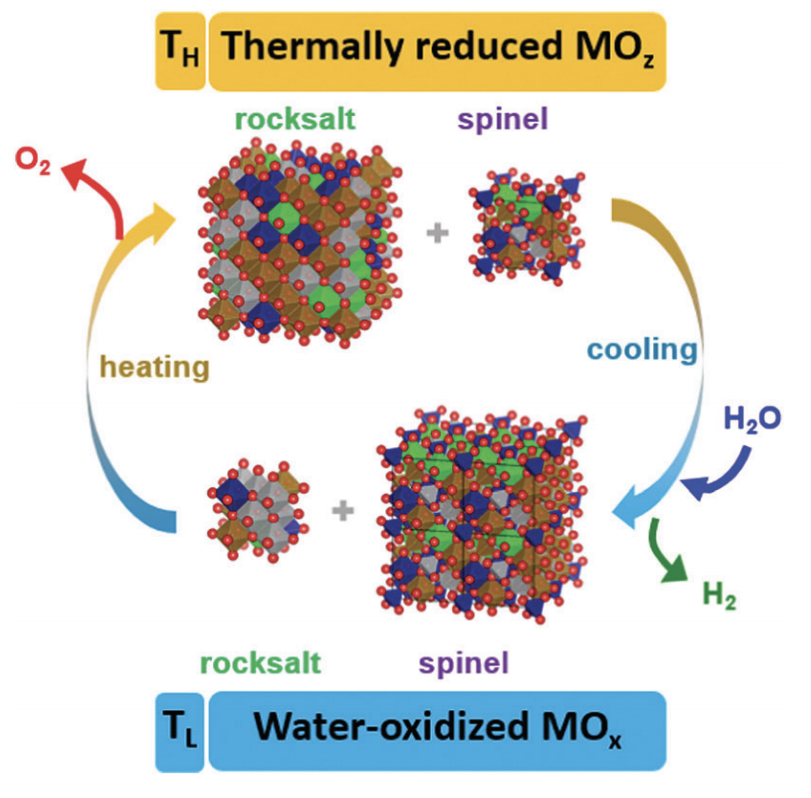
The ability to split water to produce hydrogen is vitally important in energy sciences, with potential broad impact to help decarbonize the global energy system. Here we reported the discovery of a new class of oxides – poly-cation oxides (PCOs) – that consist of multiple cations and can thermochemically split water in a two-step cycle to produce hydrogen (H2) and oxygen (O2). It is likely that PCOs with complex cation compositions will offer new opportunities for both fundamental investigations of redox thermochemistry as well as scalable H2 production using infrastructure-compatible chemical systems. This work have been published on Energy and Environmental Science. Our lab members, Shang Zhai, Jimmy Rojas, and Nadia Ahlborg are co-authors of this paper. Professor William Chueh and Professor Arun Majumdar are corresponding authors of this paper. Big congralutations! Click here to read the paper.