|
Verifying the L1 BOC(1,1) Codes from GIOVE-A
I. Data Collection
Verification of the code and code generator derived from the SGMS, data was collected using the 150 ft (45.7 m) parabolic reflector dish antenna (“Stanford Dish”). It is located on Stanford University Radio Science field and operated by SRI International. Again the Agilent 89600 Vector Signal Analyzer was used for the data collection. The signal received by the dish is about 600 times stronger (28 dB) than the signal received by the SGMS. The result is that we should have almost no bit errors when we demodulate the code.
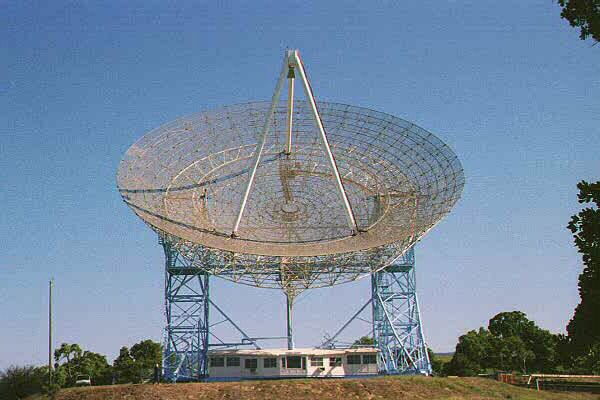
(Image: Courtesy SRI, International)
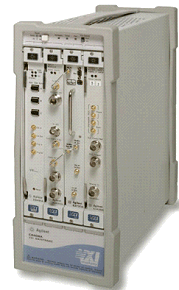
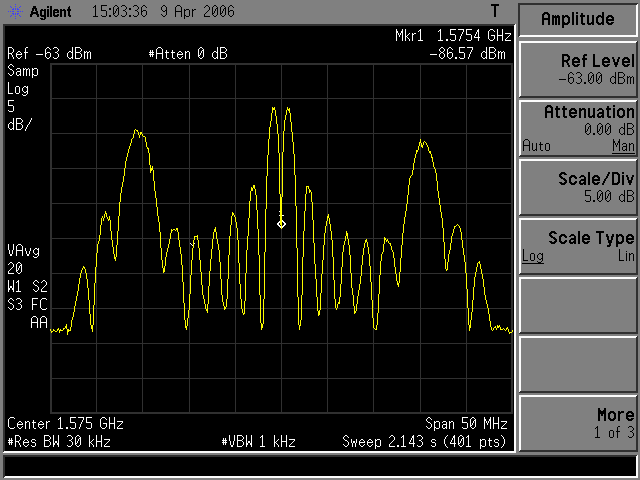
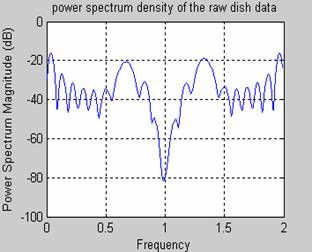
GIOVE-A Spectrum as seen using the Stanford Dish
II. Code Demodulation
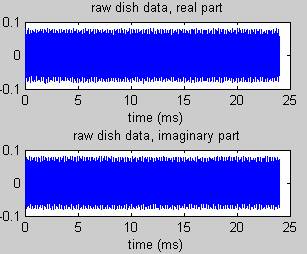
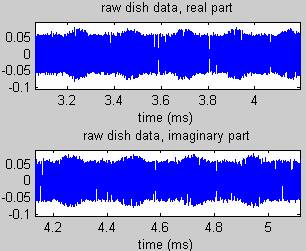
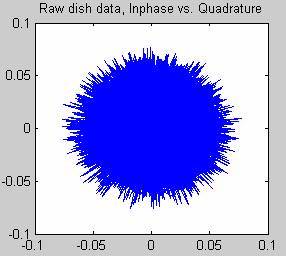
1. Raw
data
2.
Filter out BOC(1,1)
|
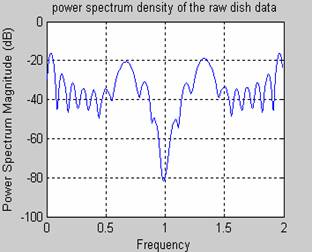
(a) |
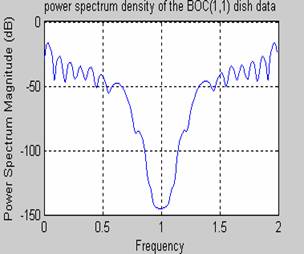
(b) |
3.
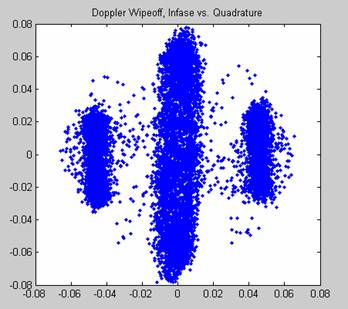
Doppler wipeoff
Doppler estimate: -2208
Initial carrier phase: 2.4 rad
(137.5 degree)
BOC(1, 1) superposition with
BOC(15, 2.5)
|
(a) |
 (b) (b)
|
BOC(1, 1) only:
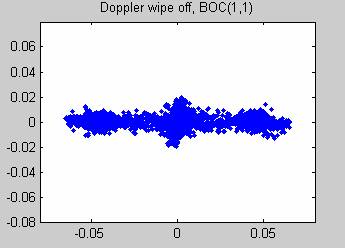
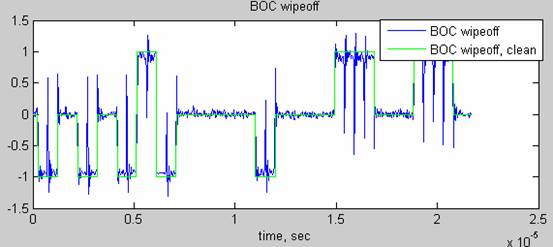
4. BOC wipeoff
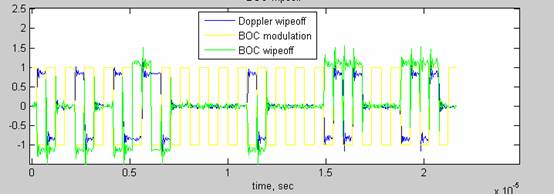
5.
Data wipeoff & code separation
Correlate the data modulated code
with a small piece of the same code
top |