Object Name:
Battery, Wet–Cell
Object ID:
14.0454
Case:
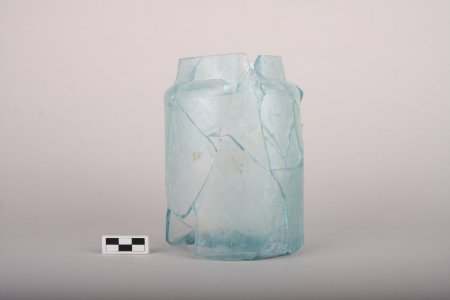
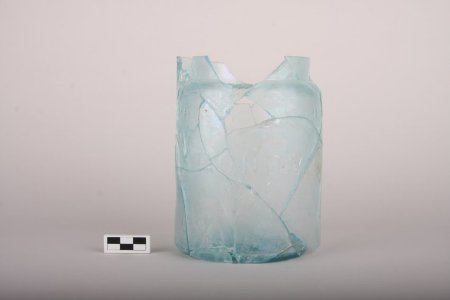
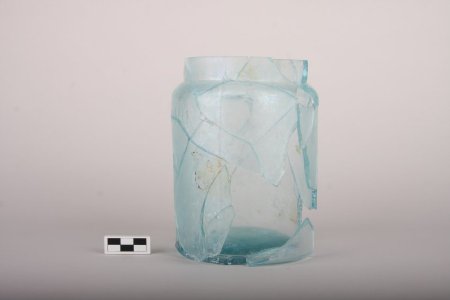
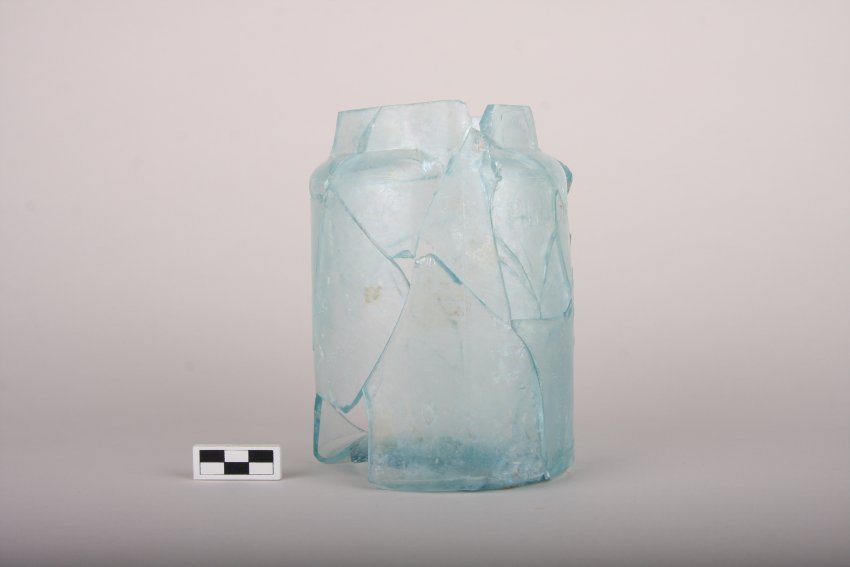
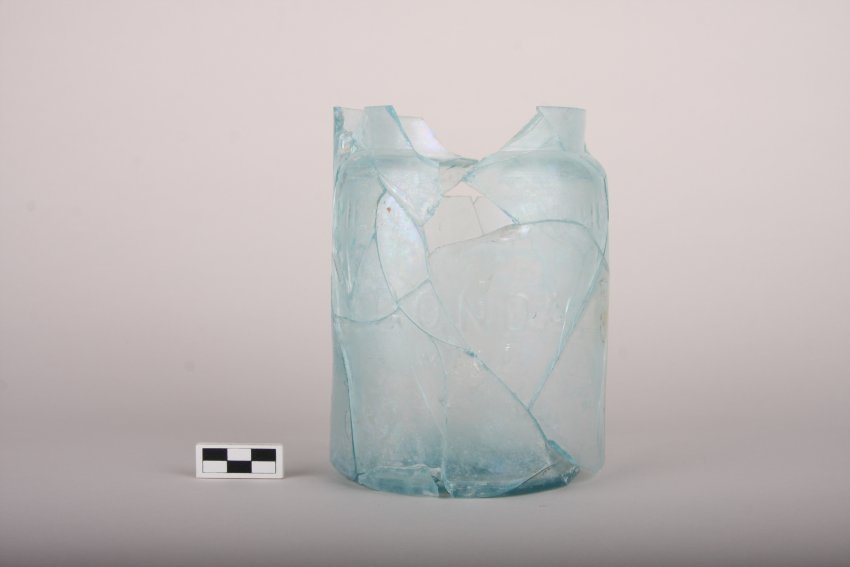
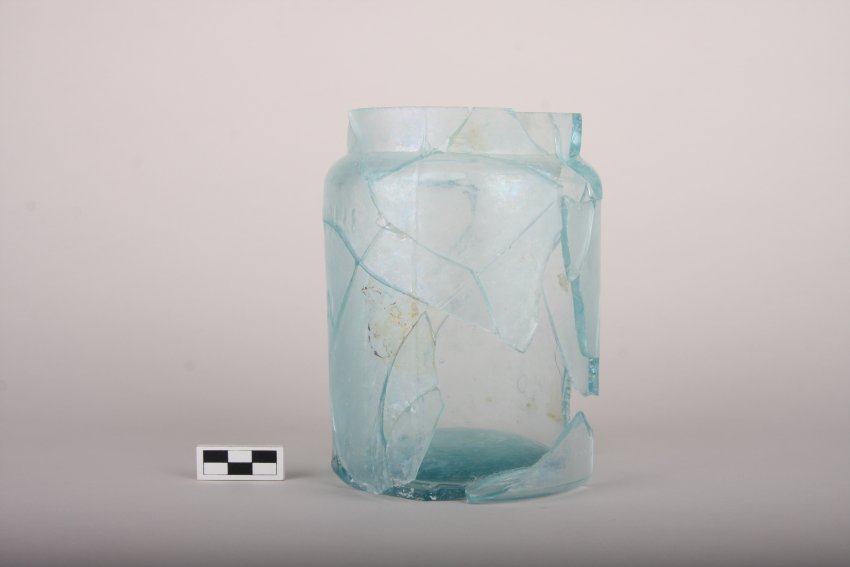
Last week's inventory find of the week shows just how deep Stanford University's culture of innovation goes. These degraded metal rods and mended glass jar may not look like much–until you learn they are from one of the earliest wet cell batteries and were excavated at the Stanford Mansion in Palo Alto. This battery type was invented by French electrical engineer Georges Leclanché in 1866. It produced power via chemical reactions of metal rods (a positively charged carbon cathode, a negatively charged zinc anode, and a depolarizer of manganese dioxide) suspended in a conductive solution (ammonium chloride), all housed in a glass jar. This one is embossed with the (now partial) maker's mark: ". . . LECLANCHE'/ TRADE / GONDA / MARK." The design was improved over the years. By the time they were installed in the Stanfords' Mansion, Leclanché cells were used to power an even newer technology: the telephone.
Dimensions:
H–15.1 Dia–11.2 cm
Material(s):
Glass
Provenance:
Mixed artifacts excavated from the site of the Stanford's Palo Alto mansion.
Collection:
Archaeology; North America; California
Click to Enlarge