Introduction
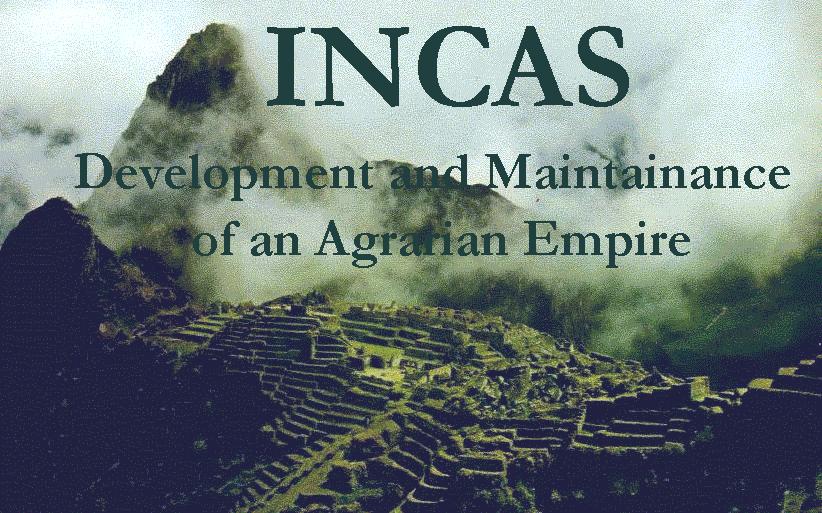
Covering an expanse of land that ranged from modern-day Ecuador to the tip of Peru, the Inca Empire was founded in 1430 through the unification of the various Andes Mountains communities. Although the Incas did not have the same transportation or written technologies of their European counterparts, they were nonetheless able to establish a thriving community that reached 15 million at its height. Their success has often been studied a positive example of agricultural management. Faced with a relatively poor resource environment, the Incas were able to create a farming system that was specialized for each land type. And at the same time they built a nutritional reserve for times of stress.
The history of South American and Meso-American farming begins in 10,000 years BP with the domestication of maize. An important staple in the Inca society, corn supplemented a family of cultivated plants including potatoes, squash, grains, and a variety of medicinal herbs. The flexibility of this agricultural system allowed the successful exportation of Inca culture to a variety of neighboring communities.
By incorporating such a demographically diverse population, the Incas were faced with a number of difficult administrative and bureaucratic decisions. Their response to these dilemmas should be examined in the light of political organization. How could the Incas manage such a populated geographic expanse without the advantages of modern technology?