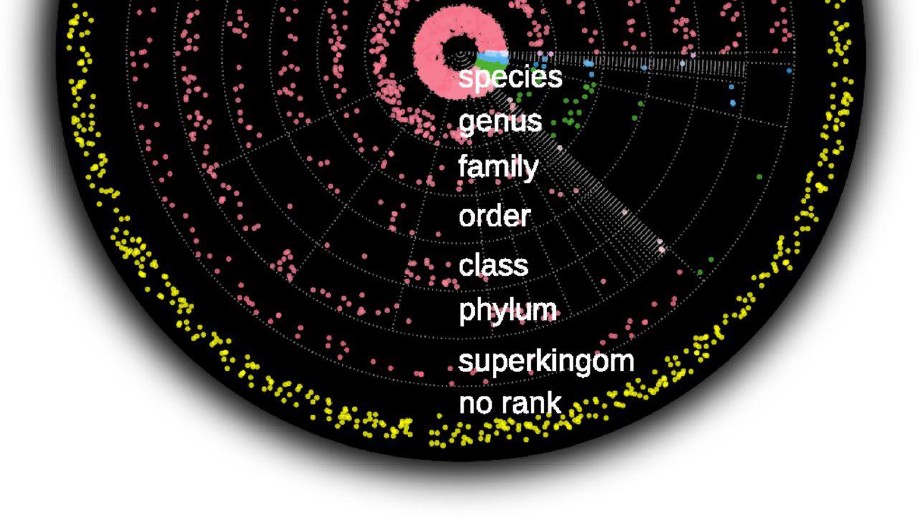
BACKGROUND: Plasma cell-free RNA (cfRNA) encompasses a broad spectrum of RNA species that can be derived from both human cells and …
I’m a PhD student in the Quake lab applying machine learning and data visualization techniques to high-throughput sequencing data to answer questions across a range of biological fields. I have broad interests and a passion for thinking deeply about data to learn domain knowledge.
Biological experience includes: metagenomics, immunology, virology, marine biology, infectious diseases, developmental biology, microbiomes, and stem cell biology. Other interests include: quantum information and computational linguistics.
PhD (expected) in Physics, 2019
Stanford University
MSc in Physics, 2012
University of Melbourne
BSc in Mathematical Physics, 2010
University of Melbourne
Research in the Quake lab on a variety of topics, mostly relating to applications of circulating nucleic acids (cell-free DNA and cell-free RNA) to: disease detection and diagnostics, novel bacteria and virus discovery, primate microbiomes and disease dynamics. Extensive use of high-throughput sequencing technologies and high-performance computing resources.
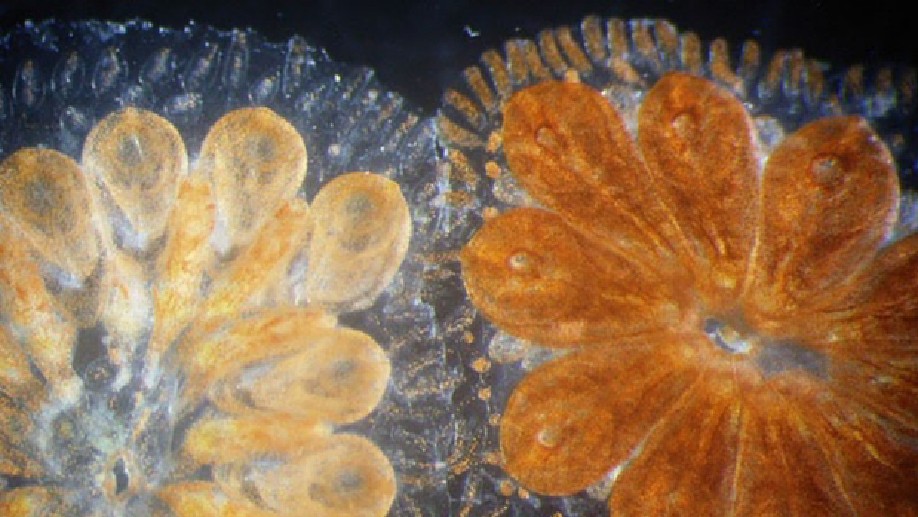
Also collaborating with Ayelet Voskoboynik of the Tunicate Lab of Irv Weissman in the Stem Cell Institute/Hopkins Marine Station to understand the genetics and transcriptome of Botryllus schlosseri for the purposes of understanding: stem cell competition, allogeneic fusibility, evolution of the immune system, and developmental biology.
Researched various aspects of an “artificial atom”, the nitrogen-vacancy (NV) centre in diamond. Including analysing their motion in 3D to use them as non-invasive nanorheological probes in biological systems and theoretical work in quantum geometric phases showing the possibility of measuring non-Abelian phases in NV centres.
Member of the the Hollenberg and Martin groups and associated with Theoretical Condensed Matter Physics (TCMP) and CQC2T (Centre for Quantum Computing and Communication Technologies).
Analysed high-throughput sequencing data in the Papenfuss Lab. Chiefly worked on the genome and transcriptome of the Tasmanian devil and its facial tumour disease; and fusion genes and other structural variants in human cancer.
Second placement as part of the Undergraduate Research Opportunities Program, in the Bioinformatics Division. Continued on as a research assistant after my undergraduate degree, working at least 1 day a week during my masters.
Computationally characterized limiting factors in the step length of children with cerebral palsy. Used MATLAB and 3D+time tracking data from gait analysis software.
This was my first placement as part of the Undergraduate Research Opportunities Program (UROP) of Biomedical Research Victoria (formerly Bio21) at MCRI in the Royal Children’s Hospital. Worked in the Hugh Williamson Gait Analysis Laboratory with biomechanical engineers and physiotherapists.
BACKGROUND: Plasma cell-free RNA (cfRNA) encompasses a broad spectrum of RNA species that can be derived from both human cells and …