Across the Pyrenees, into Spain
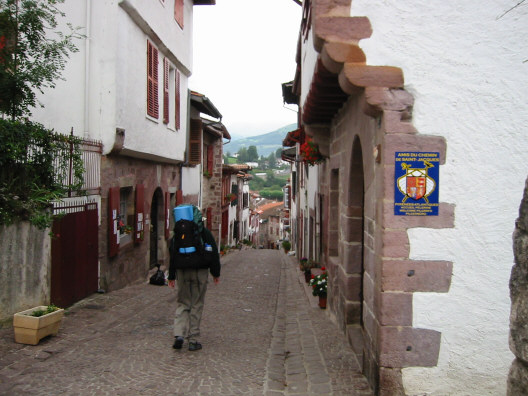
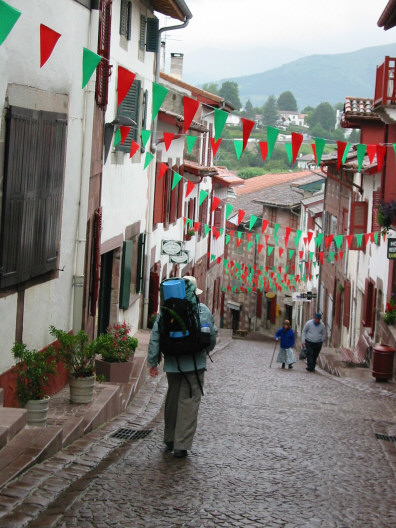
Traditionally, the Camino Frances begins in the border town of Saint Jean Pied de Port, at the foot of the Pyrenees. It is here, 774 kilometres from Santiago de Compostela, that the pilgrimage routes through France converged for the crossing of the mountains into Spain. In the French Basque country (Euskera), the ubiquitous pennants of green and red made the sense of nationalism hard to miss.
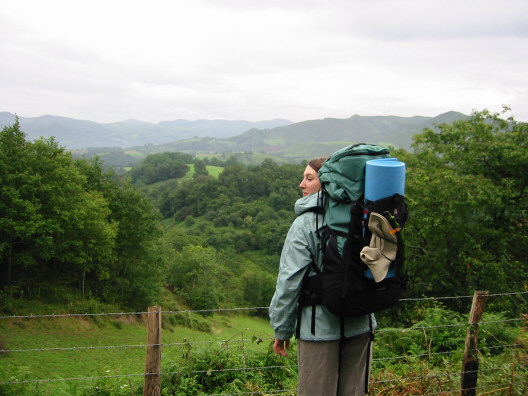
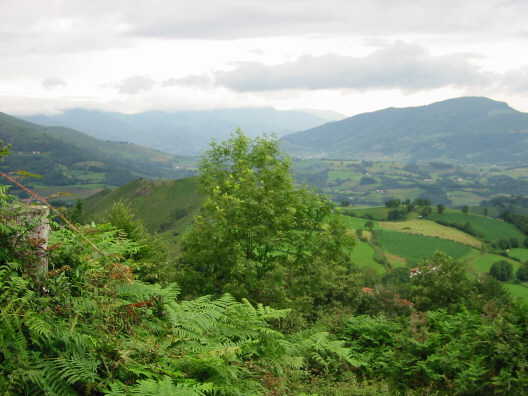
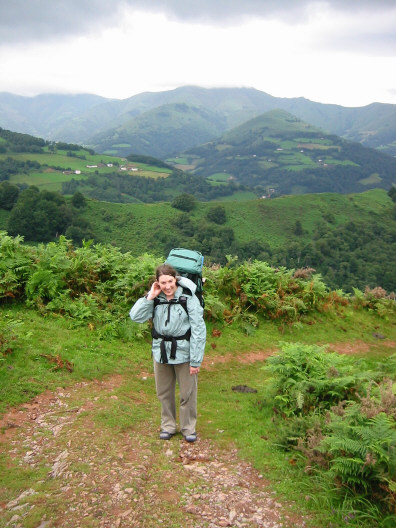
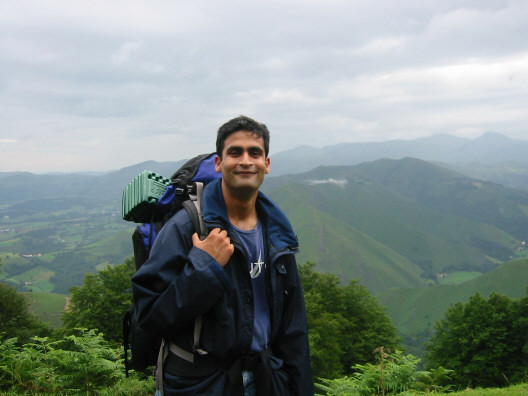
The ascent to the Pass follows the Route Napoleon, an old Roman route that was part of the Via Trajana. The view back towards France became ever more stunning the higher we went. Jessie developed a novel method for transporting cucumbers.
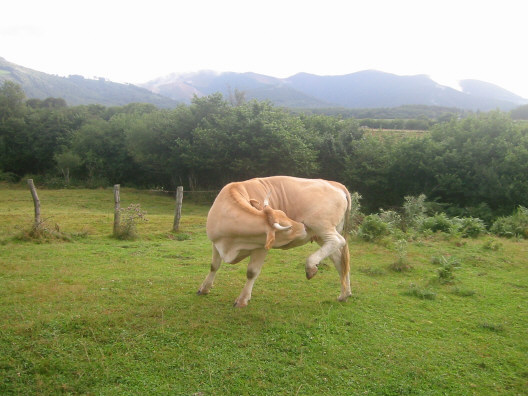
Along the way, I tried to capture bucolic spirit of the mountains with many pictures of lifestock. They were in general non-cooperative.
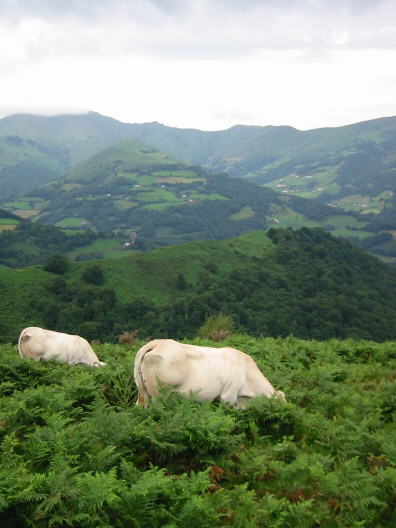
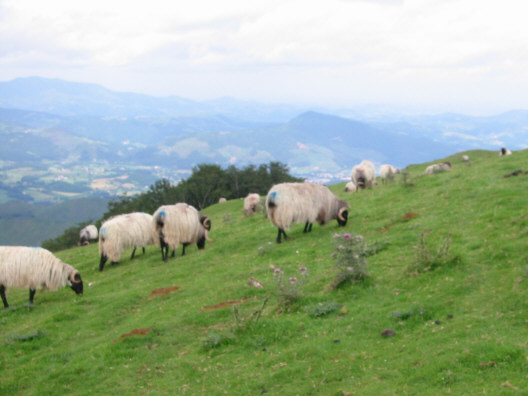
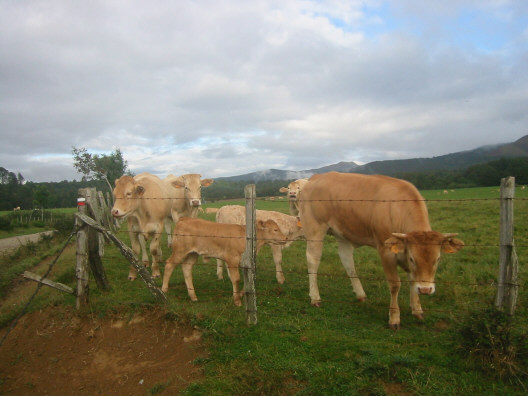
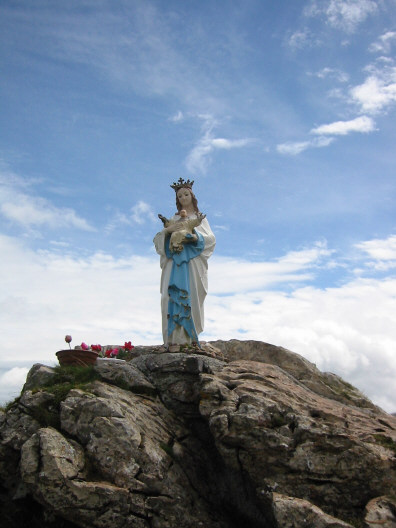
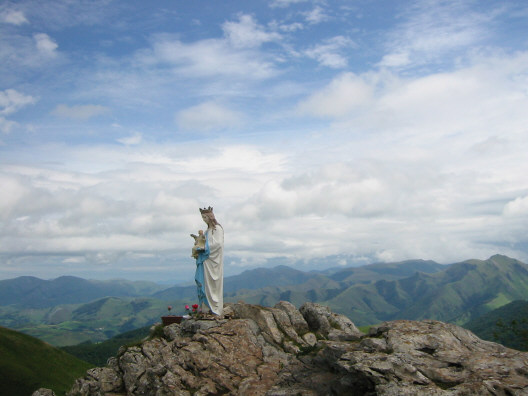
The Vierge d' Orisson provided an important way mark upto the border with Spain. Looking back, we had our last glimpse of the valleys of Basque France. Ahead, lay the Col de Bentarte over to Spain. The border itself was marked by a cattle grid-- yet another dastardly attempt to oppress the international bovine fraternity.
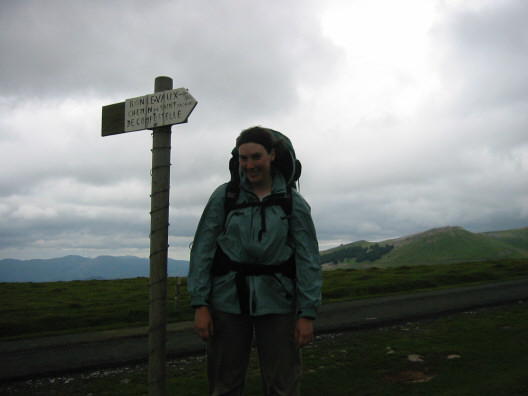
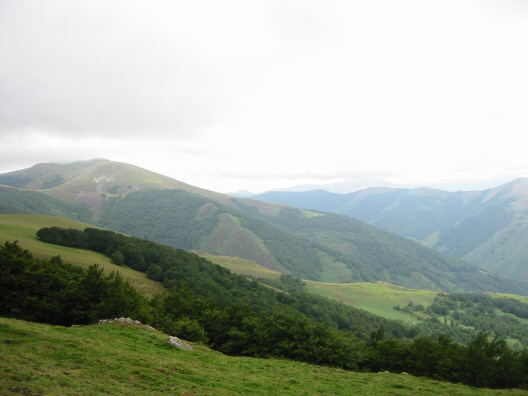
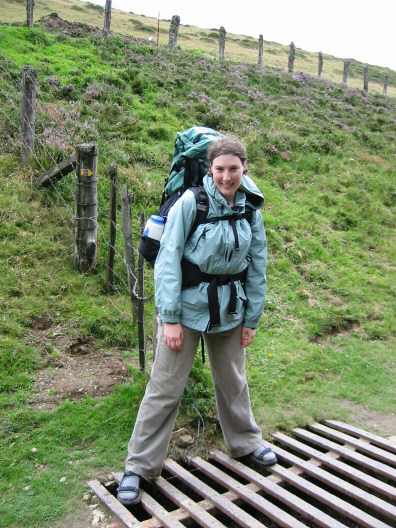
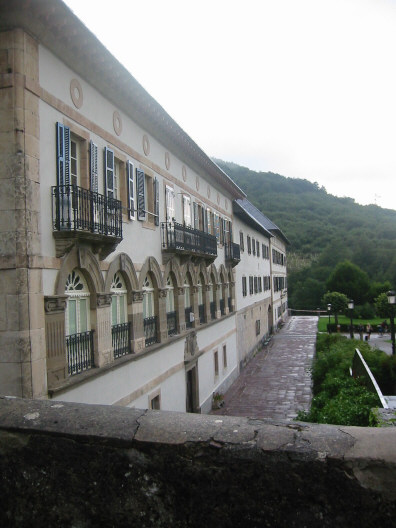
As we crossed the border, the mist came in. And then came the rain. Things looked a bit grim, until through the clouds, far below, we could make out the ancient monastery of Roncesvalles.
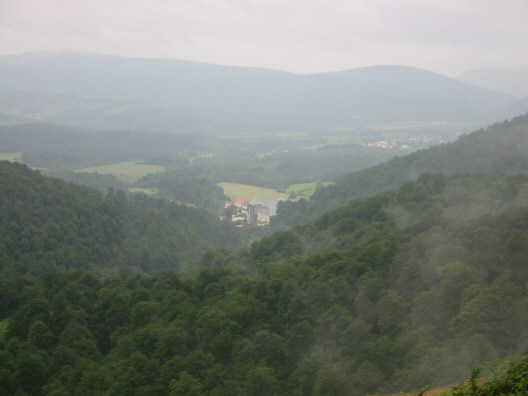
Roncesvalles, the site of an epic battle between the hero Roland, commander of Charlemagne's rearguard, and wielder of the legendary sword Durandal, and the Navarrese. In dire straits, Roland blew upon his fabled horn to summon assistance but it was too late. He and his companions were slaughtered to a man, and the battle led eventually to the establishment of the Kingdom of Navarra.
Go home | Keep on walking (749km)