DATASCI 112: Principles of Data Science
This syllabus and everything else you need will be posted on the course website: datasci112.stanford.edu.
Learning Objectives
- Acquire and process tabular, textual, hierarchical, and geospatial data.
- Uncover patterns by summarizing and visualizing data.
- Apply machine learning to answer real-world prediction problems.
Course Staff
| Class | Instructor and Office Hours | Instructor and Office Hours | |||
|---|---|---|---|---|---|
|
Lecture 01 (Mon, Wed, Fri) 11:30 AM - 12:30 PM in CoDa B90 |

|
Jonathan Taylor
Mon, Wed, Fri 12:30 AM - 1:30 PM in Sequoia Hall 132 |

|
Duru Unsal
Mon, Wed 2:00 - 3:00 PM in CoDa B06 | |
|
Section 02 (Tues, Thur) 9:30-10:20 in 200-217 |

|
Yash Nair
Fri 10:30-11:30am in CoDa W139 DataBase |

|
Sky Jafar
Mon 10:30-11:30am in CoDa B06 |
|
|
Section 03 (Tues, Thur) 10:30-11:20 in Hewlett Teaching Center Rm 101 |
|
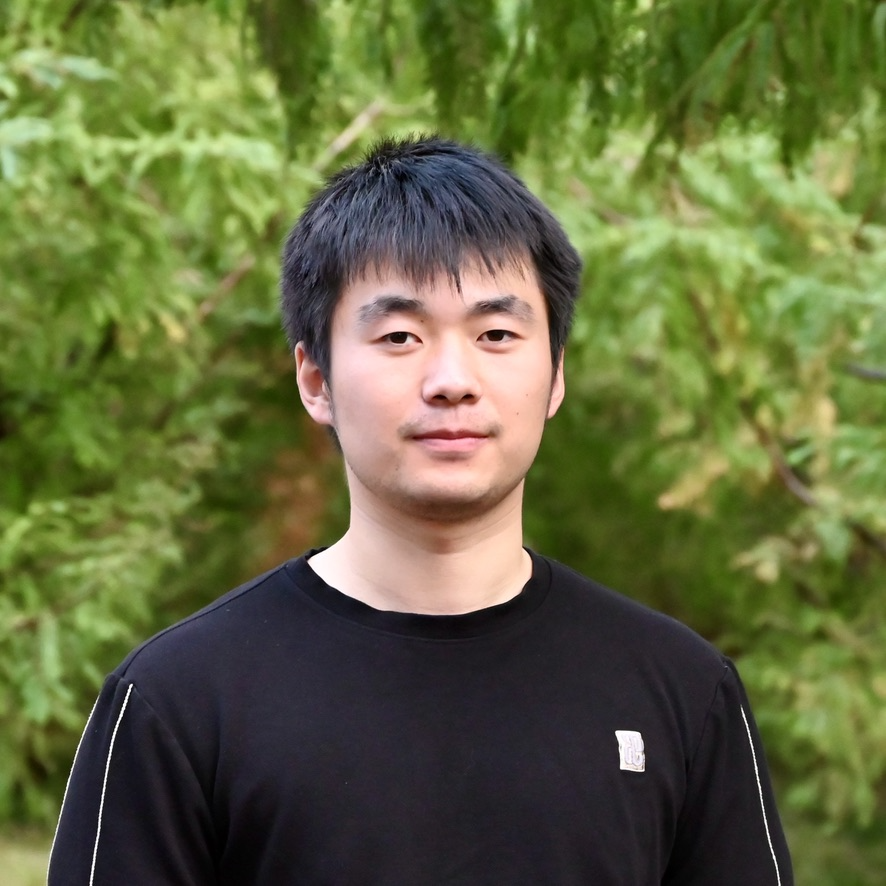
Ziang Song
Thur 2:00-3:00pm in CoDa B06 |
|
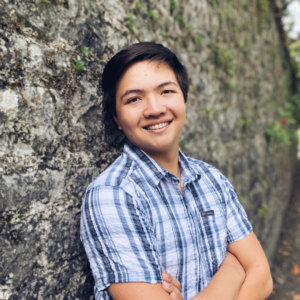
Colin Yu-Wei McKhann
Tue 4:30-5:30pm in CoDa W139 DataBase |
|
|
Section 04 (Tues, Thur) 11:30-12:20 in STLC 119 |

|
Lauren Wilkes
Wed 8:30-9:30pm in CoDa W139 DataBase |

|
Nikhil E Kothari
Wed 12:30-1:30pm in CoDa B06 |
|
|
Section 05 (Tues, Thur) 3:30-4:20 in Green Earth Sciences134 |

|
Cherith Chen
Mon 5:00-6:00pm in CoDa W139 DataBase |
|
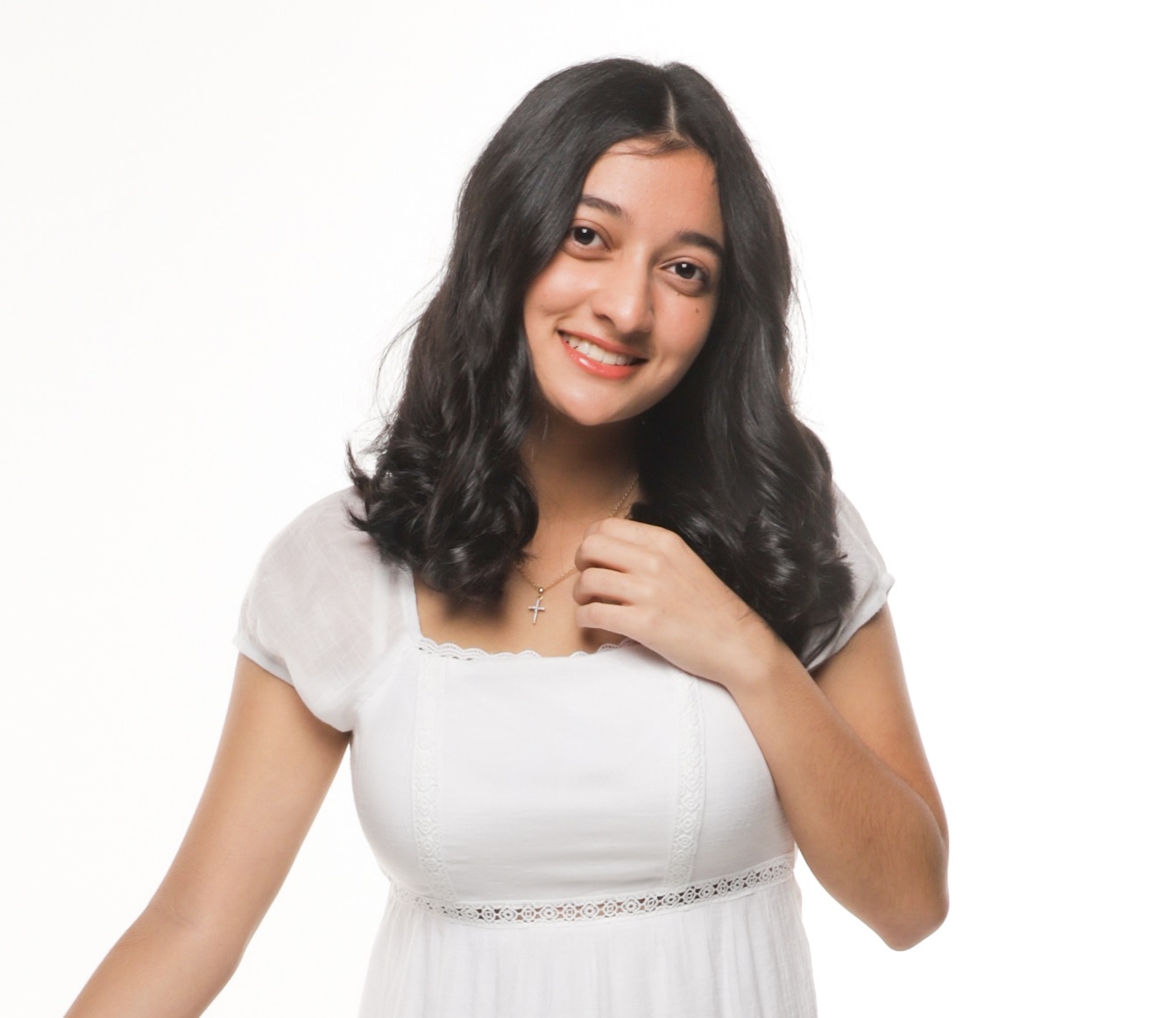
Anya Pinto
Wed 9:30-10:30am in CoDa W139 DataBase |
|
|
Section 06 (Tues, Thur) 4:30-5:20 in Green Earth Sciences134 |

|
Louis Reeve Stanley Davis
Thur 5:30-6:30pm in GESB 134 |
|
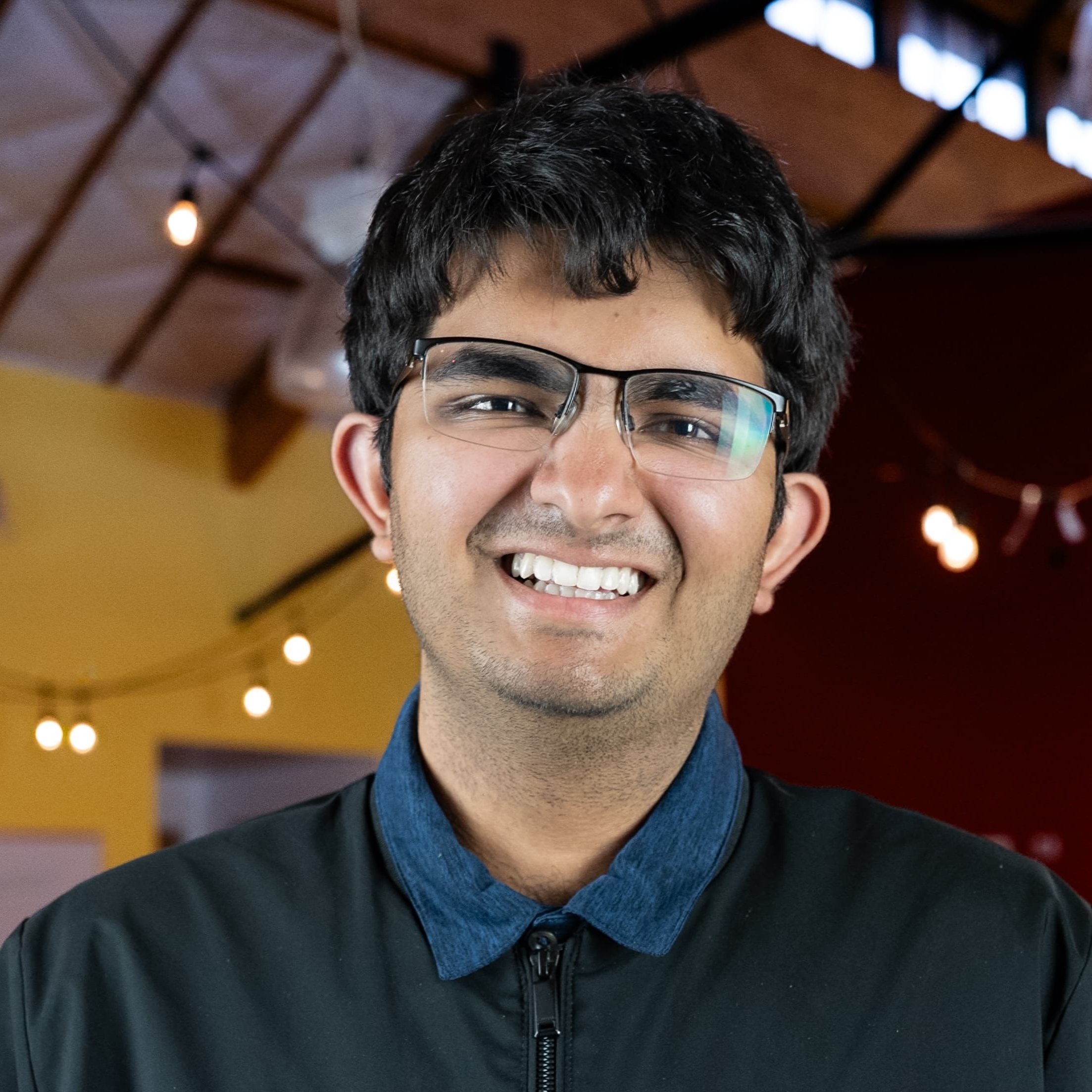
Jay Gupta
Mon 8:00-9:00pm in CoDa W139 DataBase |
Contact Outside Class and Office Hours
We prefer to talk to you in person, during class or office hours! But if you need to reach us outside of these times, there are several options:
- If you have a question about class logistics or course material, please post it on the Ed Discussion forum so that everyone can benefit from your question.
- If you have a private concern, please e-mail Professor Taylor.
Grading
Your final grade in the course will be determined from the following components.
| Component | Weight |
|---|---|
|
Participation Lecture attendance is expected (although not required). Lectures are not recorded, but we will try to make the slides useful for self-study. Section attendance and participation is required. Do not take this class if you cannot commit to attending section regularly.
The grade will be a holistic one, based on attendance and participation (presenting solutions a few times a quarter). This grade will distinguish between outstanding participants and people who simply met the requirements (i.e., A+ vs. A). |
15% |
|
Labs (posted on the Schedule page) Each lab is a self-contained investigation of a data set. Each lab will be due on Gradescope at 8 AM. Late labs are not accepted under any circumstances. You will always have 1 week to complete every lab, so plan ahead. There will be an optional Lab 6, due in Week 10, that will replace your lowest score from Labs 1-5. |
15% |
|
There will be two 50-minute midterms, scheduled for 4/20 and 5/18, during class time. |
35% |
|
There will be a final project with a poster session during finals week (instead of an exam). |
35% |
| Total | 100% |
AI Policy
The goal of this class is to prepare you to become a data scientist. A good data scientist can express their intentions in code faster than in words (not to mention the time spent waiting for AI to generate the code). You will never become a good data scientist if you rely on AI to do the material in this class. (On the other hand, if your goal is to do some data analysis using AI, then you can just do that without taking this class.)
As a result, we require that you turn off AI tools when doing labs:
- Click the gear icon at the top right (next to the Share button).
- Go to the "AI Assistance" menu.
- Uncheck "Show AI-powered inline completions".
- Check "Hide generative AI features".
However, for the final project, you are allowed to and even encouraged to use AI. You can turn generative AI features in Colab when working on the final project. This will give you a chance to practice what it is like to work as a data scientist, with AI as a tool that enhances your productivity, rather than a crutch.
Proctoring Pilot
This course is participating in the proctoring pilot overseen by the Academic Integrity Working Group (AIWG). The purpose of this pilot is to determine the efficacy of proctoring and develop effective practices for proctoring in-person exams at Stanford. To find more details on the pilot or the working group, please visit the AIWG's webpage.
Regrade Policy
You may submit regrade requests for labs directly on Gradescope.
For exams, if you believe that we have made a mistake in grading, please fill out this form within 1 week of getting the exam back, and hand your graded exam to Professor Taylor. Note that the professor will regrade your entire assignment, so your grade could go up or down.
Letter Grades
We only assign a letter grade at the end of the quarter; we do not curve or assign letter grades to individual assignments.
When assigning final letter grades, we will ensure that the median grade among freshmen and sophomores who tried their best is no lower than a B+.
What does "tried their best" mean? Attending class regularly and submitting good-faith attempts on all assignments on time.
Why do we curve the class based on freshmen and sophomores? To make the class more accessible to students with less background. This way, a freshman or sophomore is not penalized if there are a lot of upperclassmen or graduate students (who often have more background) in the class.
How are upperclassmen and graduate students graded? Once we decide the letter grade cutoffs based on freshmen and sophomores, we apply the same cutoffs to upperclassmen and graduate students. So everyone is graded on the same standard.
Disability Accommodations
Students who may need an academic accommodation based on the impact of a disability must initiate the request with the Office of Accessible Education (OAE). Professional staff will evaluate the request with required documentation, recommend reasonable accommodations, and prepare an Accommodation Letter for faculty dated in the current quarter in which the request is being made.
Once you have your letter, please upload it to this form.
We need advance warning to prepare for any accommodations, so we must receive your letter by Tuesday, January 20. For urgent OAE-related accommodations needs that arise after this deadline, please consult your OAE advisor. If you are not yet registered with OAE, contact the office directly at oae-contactus@stanford.edu.