Gratta Group Alumni
Table of Contents
Research Staff
YiFang WangGlenn Horton-Smith
Nikolai Lehtinen
Yoshi Uchida
Thomas Koffas
Peter Fierlinger
Andrea Pocar
Bjorn Flatt
Axel Mueller
Amanda Sabourov
Michelle Dolinski
Delia Tosi
Phillip Barbeau
Liangjiang Wen
Thomas Brunner
Dave Moore
Igor Ostrovskiy
George Laskaris
Alexis Schubert
Manuel Weber
Gaosong Li
Akio Kawasaki
Shuoxing Wu
Nadav Priel
Alex Fieguth
Brian Lenardo
Joseph Howlett
Gautam Venugopalan
Yuqi Zhu
Evan Angelico
Graduate Students
Lester Miller, Ph.D. (2000)Jason Detwiler, Ph.D. (2005)
Nikolai Tolich, Ph.D. (2005)
Sam Waldman, Ph.D. (2005)
Jesse Wodin, Ph.D. (2007)
Kazumi Tolich, Ph.D. (2008)
Kathy Downum, MS (2010)
Matt Green, Ph.D. (2010)
Naoko Kurahashi, Ph.D. (2010)
Francisco LePort, Ph.D. (2010)
Russell Neilson, Ph.D. (2011)
Maria Montero Diez, Ph.D. (2012)
Kevin O'Sullivan, Ph.D. (2012)
Karl Twelker, Ph.D. (2014)
Scott Kravitz, Ph.D. (2017)
Dan Fudenberg, Ph.D. (2018)
Alexander Rider, Ph.D. (2019)
Michael Jewell, Ph.D. (2020)
Chas Blakemore, Ph.D. (2021)
Jacopo Dalmasson, Ph.D. (2023)
Clarke Hardy, Ph.D. (2025)
Research Staff
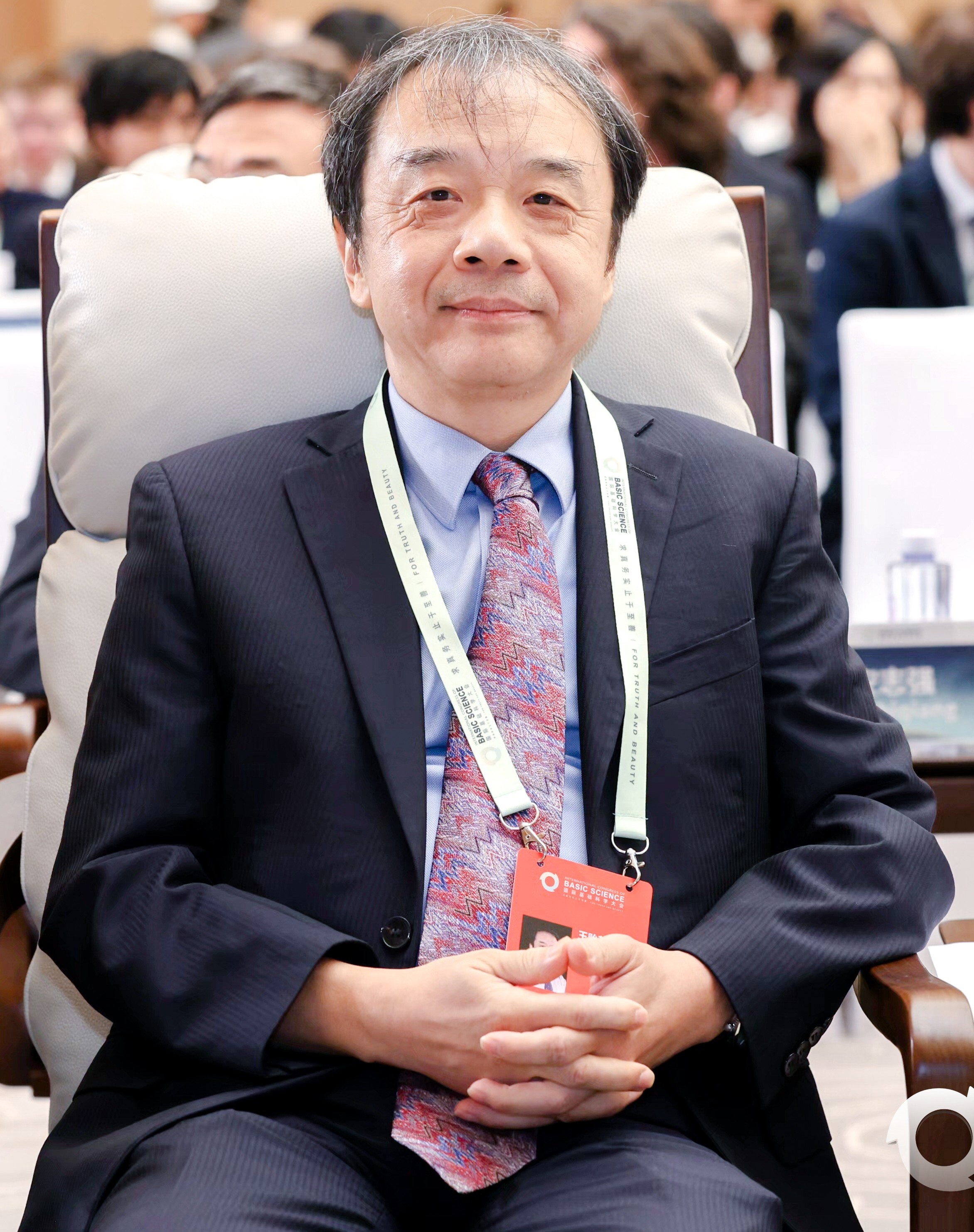
YiFang Wang
Ex-Research Associate
Current Position: Director Emeritus, IHEP Beijing, JUNO spokesperson
Institute of High Energy Physics Beijing
No. 19 B Yuquan Road, Shijingshan District, Beijing, 100049, P.R. China
Tel: 0086-10-68233992
Fax: 0086-10-68288018
E-mail: yfwang@mail.ihep.ac.cn
(1996- 2001) Yi-Fang was the first addition to the group! He single-handedly designed all of the electronics for the Palo Verde detector. He also greatly contributed to pretty much every aspect of Palo Verde. His data analysis skills allowed the experiment to produce results in an accurate and timely fashion. He also developed a new technique to subtract backgrounds in low-energy anti-neutrino detectors and wrote several papers on Palo Verde data. He was a very important player in the early design of the KamLAND detector. YiFang moved-on to become a professor and, from 2012 to 2025 the director of IHEP, the main particle physics lab in China. He has been the spokesperson for the Daya Bay reactor neutrino oscillation experiment that in 2012 provided solid evidence for a finite value of the mixing angle theta 13 and is currently leading JUNO, a really large liquid scintillator detector that is the culmination of neutrino oscillation experiments using reactors as sources.
Glenn Horton-Smith
Ex-Postdoc
Current position: Professor
Kansas State University
Manhattan, KS
gahs@ksu.edu
(1998) Glenn was postdoc at Stanford for about 6 months, after receiving his PhD on the SLAC 144 experiment. During his brief tenure he developed an apparatus to measure radon permeability through plastic films. His device was used to select the material for the KamLAND balloon. Glenn then moved to Tohoku University with a JSPS fellowship for 2 years. He was then postdoc at Caltech and is now on the faculty at Kansas State University.
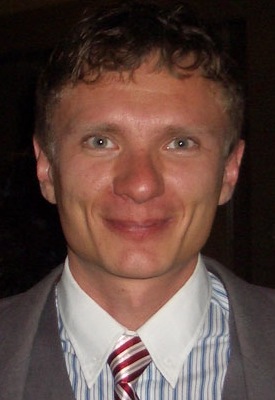
Nikolai Lehtinen
Ex-Postdoc
Current Position: Researcher, University of Bergen
nleht@stanford.edu
(2000-2001) Nikolai worked on the basics of acoustic ultra-high energy neutrino detection, producing the first paper on the subject. He then moved to the University of Hawaii to tackle the problem of radio detection of cosmic rays. He is now back at Stanford, in the EE department.
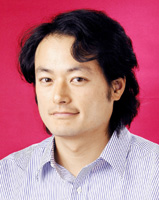
Yoshi Uchida
Ex-Postdoc
Current Position: Professor, Imperial College, London UK
E-mail: Yoshi.Uchida@imperial.ac.uk
(2001-2004) Yoshi was a postdoc in the group working on KamLAND. He was one of the KamLAND software gurus and early US analysis coordinator. Many of the initial data analysis tools that allowed KamLAND to quickly produce results are due to Yoshi's ability of writing code in languages whose mere existence is unknown to most of us. Because of his peculiar accent Yoshi moved back to the UK, where he is now a Senior Lecturer at the Imperial College, London. He is still active in neutrinos physics.
Thomas Koffas
Ex-Postdoc
Current Position: Associate Professor, Carleton University, Ottawa
E-mail: Thomas.Koffas@cern.cn
(2001-2004) Thomas came to the group as a postdoc with skills in both particle physics and laser science. He was the main force behind our early experiments that demonstrated superior energy resolution in liquid xenon. He also did some of the early work on Ba ion trapping. He then moved to CERN as a Fellow and then Staff member, involved in the Atlas experiment. In the fall of 2011 Thomas became an assistant professor at Carleton University in Ottawa.
Peter Fierlinger
Ex-Postdoc
(and first VanBibber Fellow in the Physics Department)
Current Position: Professor of experimental physics, Technical University, Munich, Germany
(2006-2008) Peter came to the group with a heavy luggage of experimental skills acquired while studying ultra-cold neutrons for his PhD at ILL and PSI in Europe. He completely developed a device that allows the measurement and stabilization of very thin layers of solid Xe in a liquid Xe or vacuum environment. The full device includes a miniaturized LHe cryostat as well as a nanofabricated sensor with single monolayer resolution. Peter then turned to improving the system by replacing the LHe cryostat with a miniaturized 2-stage Joule-Thompson cooler. Peter was then back on his way to native Europe as a professor in Munich where he is leading the European neutron EDM experiment.
Andrea Pocar
Ex-Postdoc
Current Position: Assistant Professor, Physics Dept, University of Massachusetts Amherst
(2004-2008) During his tenure in the group Andrea coordinated the design and assembly of the EXO-200 LXe TPC. This is no minor feat and saw the development of two different techniques including the very exotic one of using solid teflon for the construction of the chamber vessel itself. Because of Andrea's extensive experience with low background physics, gained at Princeton where he was a Borexino graduate student, he quickly became the main Stanford person on the project. In the best tradition of EXO, along with being the czar of the chamber, Andrea also did lots of real work, including spending a couple of months in LA teaching a cable company how to make... cables. An important part of Andrea's program at U Mass is still related to EXO-200 and nEXO.
Bjorn Flatt
Ex-Postdoc
Current Position: Project Leader, Roche
(2005-2008) Bjorn came to Stanford from the Mainz group, where he contributed to the tritium endpoint neutrino mass measurements. At Stanford he helped design the EXO linear Ba trap. He also worked with Peter Fierlinger on cryogenic probes and, in the last part of his tenure, worked on the noise characterization of the EXO-200 electronics. Bjorn then moved to Agilent in Mountain View, where he develops mass spectrometers.
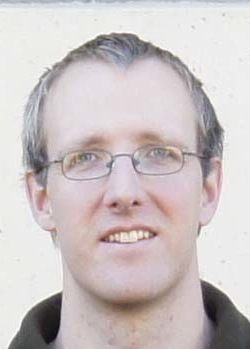
Axel Mueller
Ex-Postdoc
Current Position: Lead Expert, OHB System AG
(2009-2011) Axel came to Stanford from the Technical University in Munich and worked mainly on the problem of Barium tagging for EXO. Axel developed a setup to measure the work functions of different metals to be used in a scheme in which Ba ions captured on a metal substrate would be thermally emitted and re-ionized. Axel also contributed to the development of a new type of Bradbury-Nielsen gate for various applications.
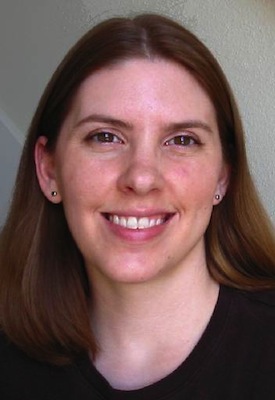
Amanda Sabourov
Ex-Research associate
Current position: Physicist, US Air Force
(2010-2012) Amanda assembled the system to test the idea of tagging the Ba final state in a high pressure gas TPC version of EXO. She built a very large vacuum system capable of a large Xenon flow with differential pumping and the controls to cycle the Xenon from a cylinder, through the system and back in the storage cylinder. On a different front Amanda wrote the first version of a simulation of the nEXO detector, a 5-tonne detector for neutrinoless double-beta decay.
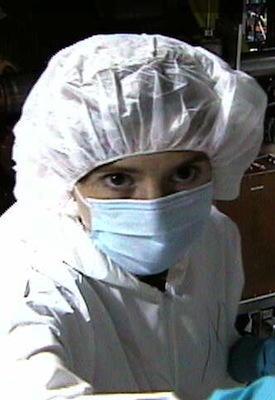
Michelle Dolinski
Ex-Postdoc
Current Position: Associate Professor, Physics Dept, Drexel University
(2008-2012) Sometimes it feels like Michelle single-handedly built EXO-200! While this is an overstatement, she was certainly the real "spirit of the hardware" during the period of final TPC construction, installation at WIPP and commissioning. Her brain is still the closest thing we have to the mythical EXO-200 thermodynamics simulator. It appears that there is no detail in the EXO-200 hardware that she does not intimately know. As of the fall 2012 she is an Assistant Professor at Drexel University.
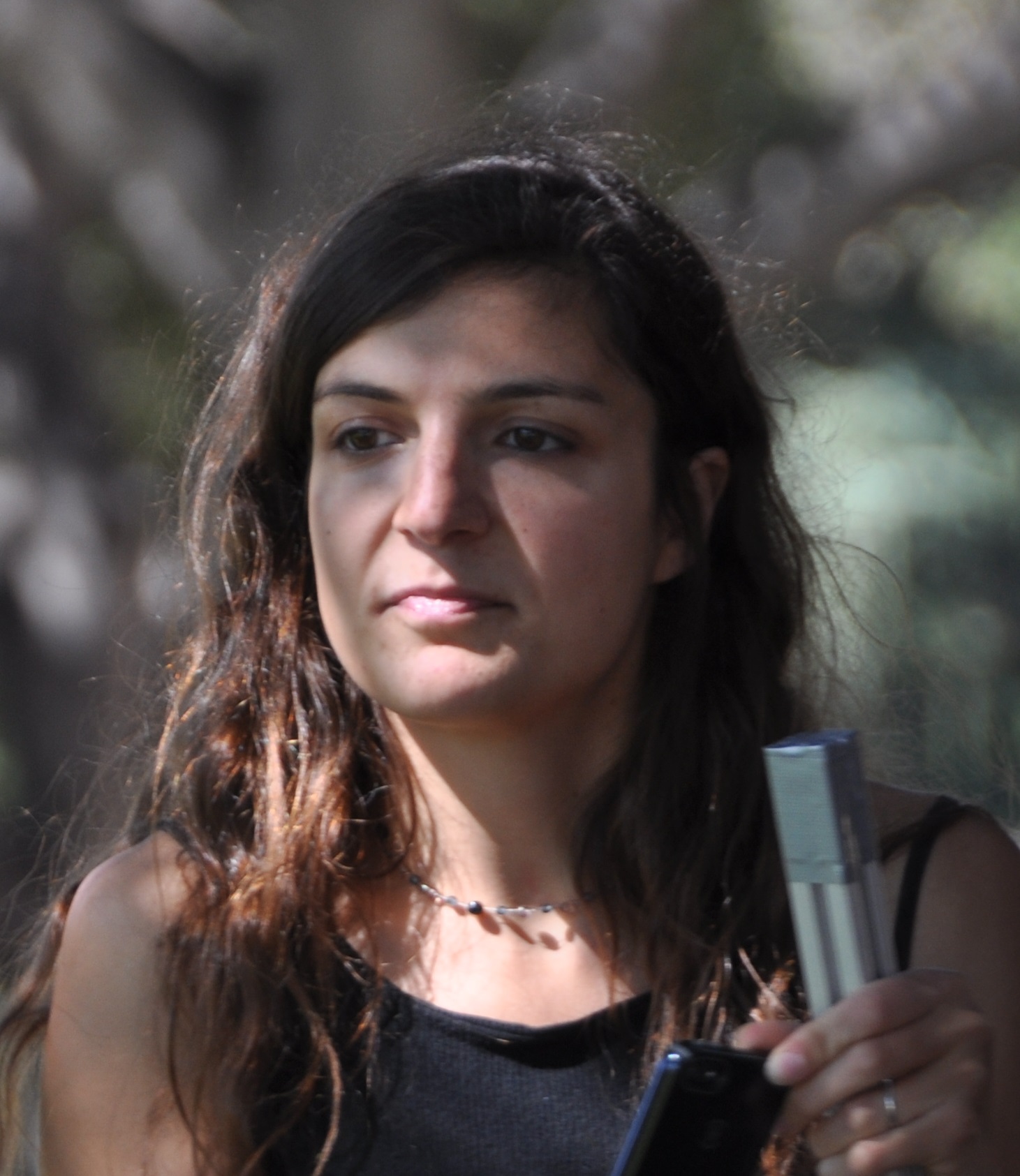
Delia Tosi
Ex-Postdoc
Current Position: Assistant Scientist, University of Wisconsin, Madison.
(2011-2013) Delia came to the group with an unusually diverse background, having earned a EE degree in Italy, a PhD in particle physics in Germany and done work in astrophysics and glaciology. Very rapidly she became a run coordinator for EXO-200, managing parts of the very successful first physics run. She was also directly in charge of the xenon recirculation pump and rebuilt the light calibration flasher of the experiment. In the Summer 2013 Delia moved to the University of Wisconsin where she now works on IceCube.
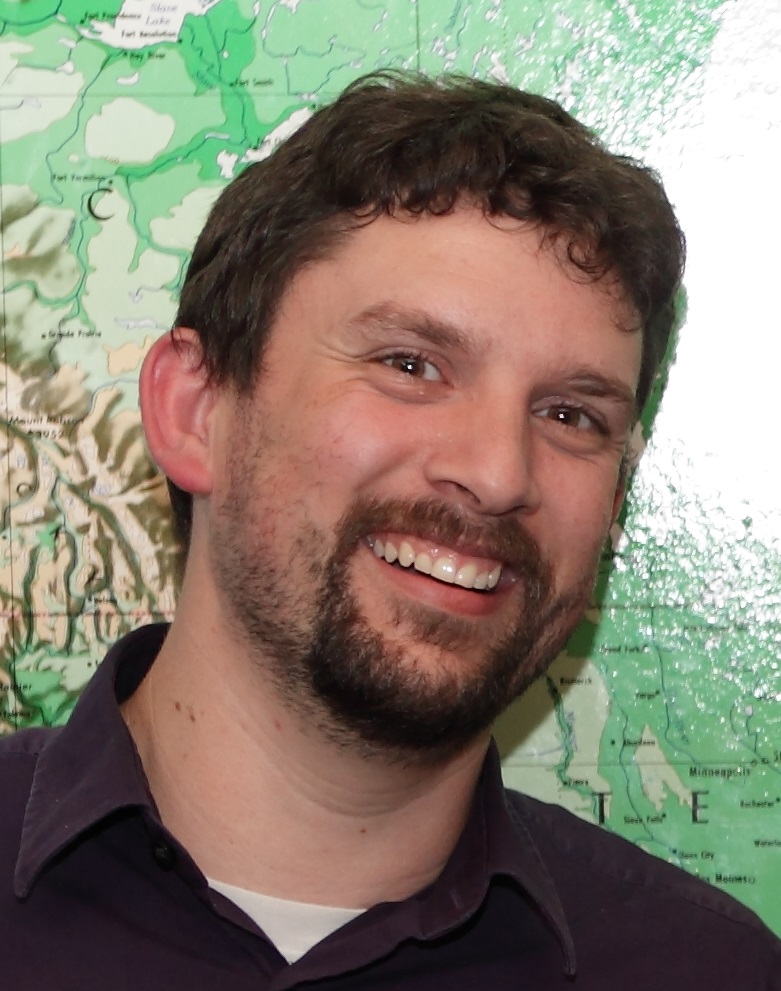
Phil Barbeau
Ex-Postdoc
Current Position: Associate Professor, Duke University.
(2009-2013) Phil was the engine behind the first round of data analysis of EXO-200. Upon joining the group had a role in the final commissioning of the EXO-200 hardware at WIPP, but, more importantly, more than anyone else he was responsible for the "pivot to analysis" of the group, that in a few months turned from being the prime contributor to the hardware of EXO-200 to being the powerhouse for the analysis. He also contributed to the early calculations of the sensitivity of the nEXO detector. Since 2013 he is an assistant professor at Duke, where his group is working on coherent neutrino scattering and still on EXO-200/nEXO.
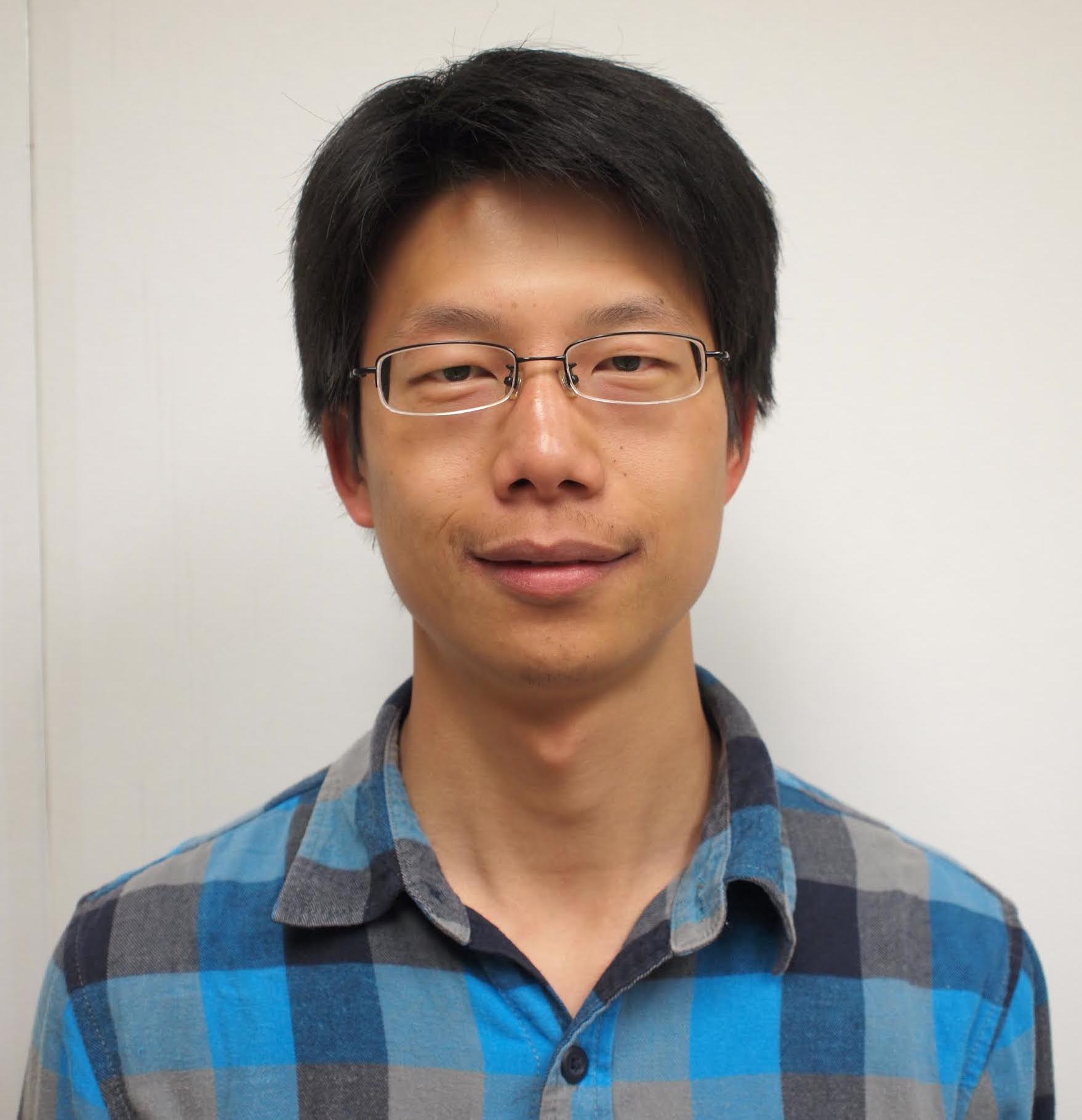
Liangjiang Wen
Ex-Postdoc
Current position: Prof., Institute for High Energy Physics, Beijing.
Email: wenlj@ihep.ac.cn
(2012-2014) Liangjian came to Stanford as a postdoc after completing his PhD on the Daya Bay experiment. While his tenure in the group was shorter than usual, his contributions to EXO-200 analysis were oversize. He was part of the team that completed the second round of EXO-200 results on 2-neutrino and neutrino-less double-beta decay, and concentrated on refining the event reconstruction techniques. He also started working on the design of nEXO so that by the time he returned to IHEP he was ready to lead the new EXO-200 and nEXO groups there. His new group in China has very quickly become a powerhouse for the two experiments. During his stay in the US he visited the Far West, with an extensive road trip to Grand Canyon and other well-known landmarks.
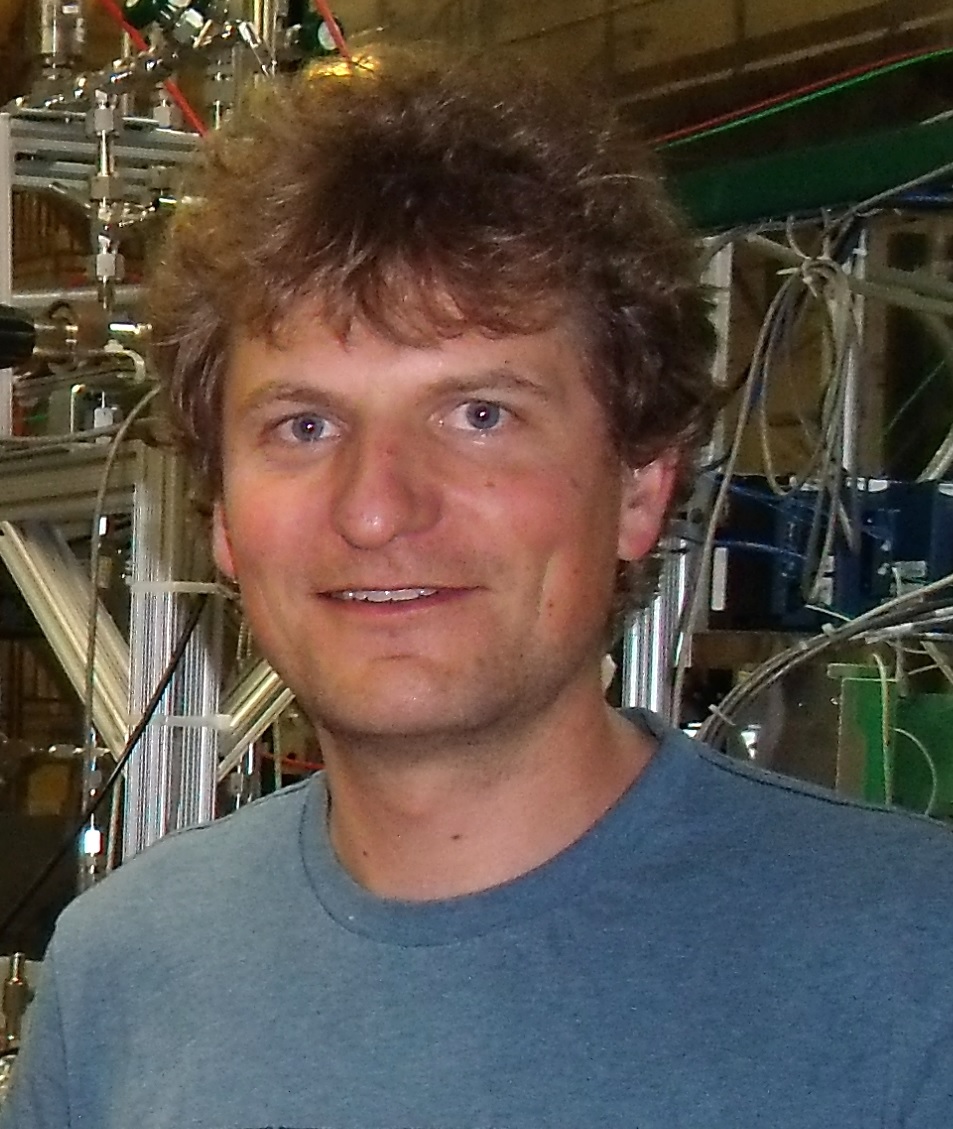
Thomas Brunner
Ex-Postdoc
Current position: Assistant Professor, Physics Dept., McGill University, Montreal, Canada.
Email: thomas.brunner@physics.mcgill.ca
(2011-2015) Thomas came to the group from an interesting Munich-TRIUMF background and for quite some time he ignored the fact that he was in California and kept his vow to skiing at least once a month, every month. He is also the only group member known to have skied over an avalanche. Thomas designed and built an electromagnetic funnel and more transport optics to capture and extract Ba ions several bars of pressure to ion-trap vacuum. The system, initially conceived for Ba tagging, has also applications to online isotope sources and it followed Thomas to McGill, where it is being used for nEXO as well as for activities at TRIUMF. During his tenure at Stanford, Thomas was also very active in EXO-200 operations.
David Moore
Ex-Postdoc
Current position: Associate Professor, Physics Dept., Yale University, New Haven, CT, USA
Email: david.c.moore@yale.edu
(2012-2016) Dave came to the group from Caltech, having worked as a student on the CDMS experiment. From the very beginning he split his time between working on EXO-200 and on our nascent experimental gravity program. In EXO-200 he quickly became an expert of the hardware and removed some of the analysis hurdles, allowing for the most accurate measurement of any 2-neutrino mode (in 136Xe, that also happens to have the longest-lived 2-neutrino mode known). He then became analysis coordinator for the experiment. On the gravity front, Dave was instrumental in setting up the hardware and doing the first round of measurements using levitated microspheres and very sensitive force sensors.
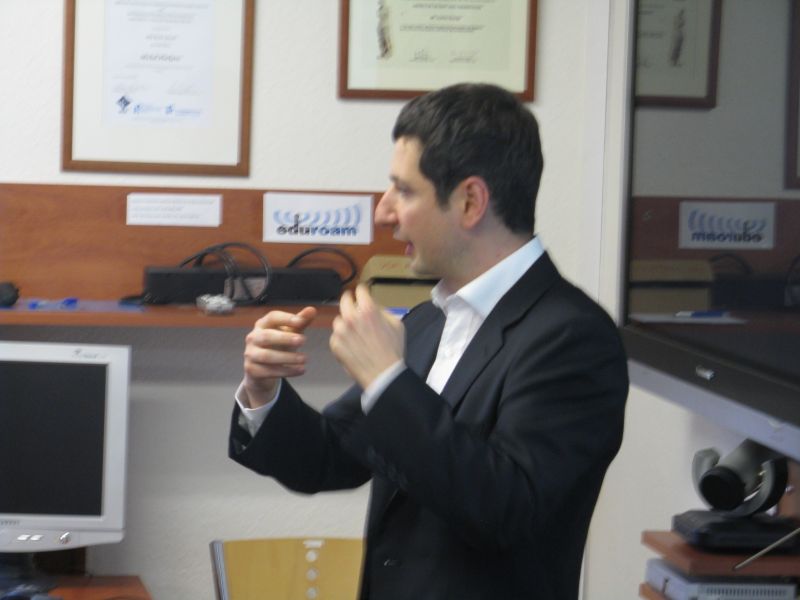
Igor Ostrovskiy
Ex-Postdoc
Current position: Associate Professor, Physics Dept., The University of Alabama, Tuscaloosa, AL, USA
Email: iostrovskiy@ua.edu
(2012-2016) Igor came to the group from a PhD at Alabama with the Double-Chooz neutrino oscillation experiment. He was one of the main forces behind the second round of EXO-200 analysis. He introduced to the group more comprehensive fitting strategies. He headed the EXO-200 analysis effort in a period where the experiment transitioned to more sophisticated technique. In the same period the analysis effort, under Igor’s guidance, expanded to a number of physics channels beyond double-beta decay. Igor was also active in conceiving novel calibration techniques, tuned towards more sensitive measurements.
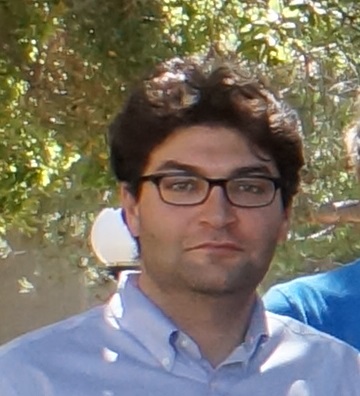
George Laskaris
Ex-Postdoc
Current position: Consultant, Ab Initio Software
Email: laskaris@mit.edu
(2014-2016) Georgios came to the group from Duke, having worked on problems in nuclear structure. During his relatively brief time at Stanford, Georgios worked on developing new types of detectors using warm organic liquids as ionization media. But, apparently, the pull of nuclear physics was too strong and he then went back to his first (physics) love.
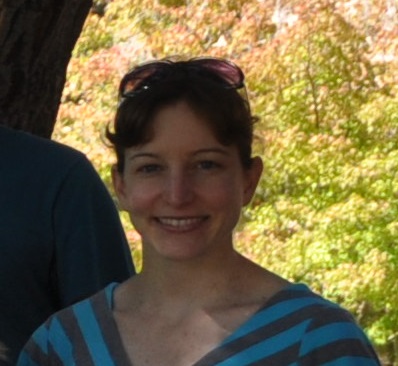
Alexis Schubert
Ex-Postdoc
Current position: Mechanical Engineer, Microsoft
Email: schubert.alexis@gmail.com
(2013-2017) Alexis joined the group after a PhD at the University of Washington, working with the competition! She was in charge of EXO-200 simulations during a critical period of data analysis and a run coordinator for the experiment. But her primary role was to singlehandedly design and build a new LXe test-bed for nEXO. For a number of years this was the largest such systems in the collaboration and, during Alexis tenure in the group, was used to test and study the performance of the charge readout tiles for nEXO. Large area Silicon Photomultipliers will be added soon to this setup, making it the first small scale prototype of nEXO employing all the nominal components of the experiment.
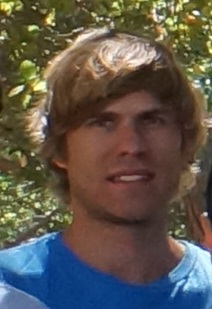
Manuel Weber
Ex-Postdoc
Current position: Research scientist, EarthDaily Analytics
Email: manuel.wbr@gmail.com
(2013-2018) After being a graduate student at the University of Bern and “test driving” surfboards on the California coast during visits to Stanford required by the EXO-200 data analysis, Manuel decided he liked to continue surfing, an activity that is definitely not practical in his native Switzerland, and came as a postdoc. During his time here, he was instrumental in the developing advanced machine learning algorithms for EXO-200. His work went beyond simple neural nets and boosted decision trees, adopting deep learning techniques for the first time in the experiment. In parallel with this, Manuel also worked on the development of new radiation and photon detectors. Some of these techniques are being developed from the conviction that it is embarrassing that so much science and technology still rely on vacuum photomultipler tubes, invented almost 100 years ago.
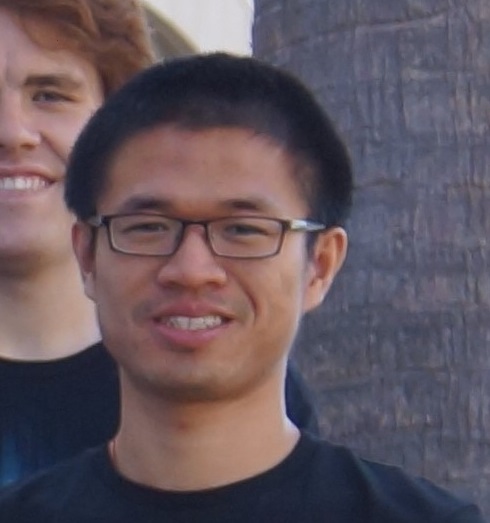
Gaosong Li
Ex-Postdoc
Current position: Associate Professor, IHEP, Beijing
Email: lgs1029@gmail.com
(2016-2020)Gaosong was the last EXO-200 analysis coordinator. He coordinated and personally did much of the work towards the final double-beta decay analyses of EXO-200. He also pushed forward a number of other analyses, resulting in science papers. Gaosong also did the pioneering work to introduce Silicon PhotoMultipliers (SiPMs) in nEXO. In this arena, he performed many electrooptical measurements of SiPMs on the bench and built the first SiPM array to run in liquid Xenon, also analyzing its data. Gaosong was visiting family in China when, in March 2020, COVID-19 “shut down the world”. He is one of the group members who left without a proper farewell party.
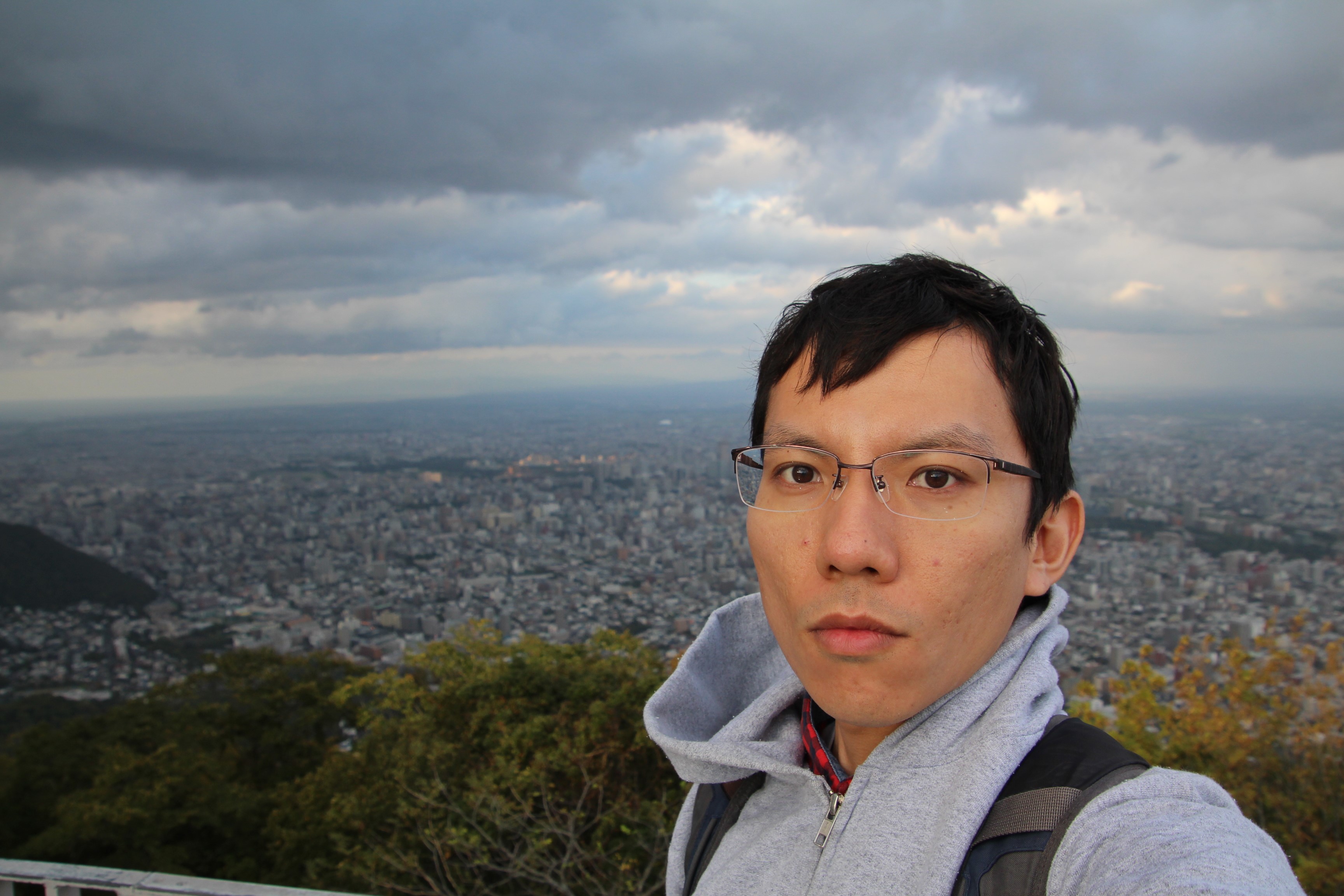
Akio Kawasaki
Ex-Postdoc
Current position: Sr. Research scientist, National Metrology Institute of Japan
Email: akio.kawasaki@aist.go.jp
(2017-2021)Akio was the inaugural Jane and William Fairbank fellow in HEPL and worked on the short distance gravity program in our group. He was also the first member of the group with “proper” AMO credentials, having received his PhD in Vladan Vuletic’s group at MIT. Akio was the main force behind the design and construction of the optical trap that obtained the first result on the search for new forces at micrometer scale. His contribution was essential to the transition of this activity from “work in progress” to an actual science result. Akio also introduced to the lab many new techniques and ideas deriving from his AMO experience. He is one of the people who left the group without a proper farewell party, because of COVID-19.
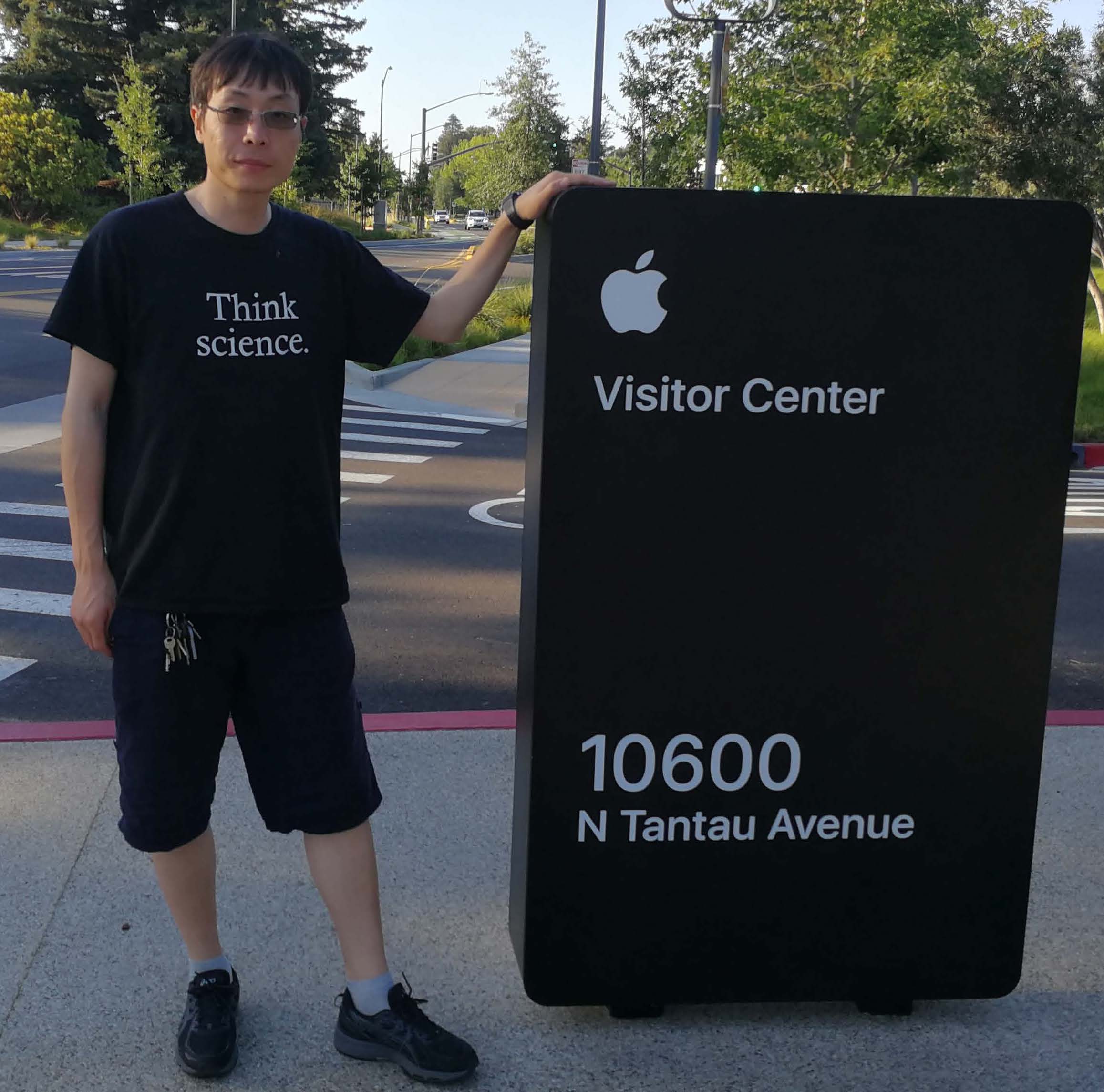
Shuoxing Wu
Ex-Postdoc
Current position: Physicist, Fermilab, USA
Email: shuoxing.wu@gmail.com
(2017-2021) Shuoxing came to Stanford from ETH Zurich with substantial expertise on liquid Argon detectors. Upon starting in our group he had to “downgrade” to warmer temperatures and easier scintillation wavelength to work on the liquid Xenon used in EXO-200 and nEXO. He designed some of the cryogenics used in the group and ran much of the nEXO R&D during his tenure. He also took a further step away from real cryogenics by building our room temperature, organic liquid TPC, that was successfully operated and produced some of the best modern results in this area. In the later part of his postdoc time, he measured the quenching factor for neutrons in TMS (trimethylsilane), using a D-D neutron generator.
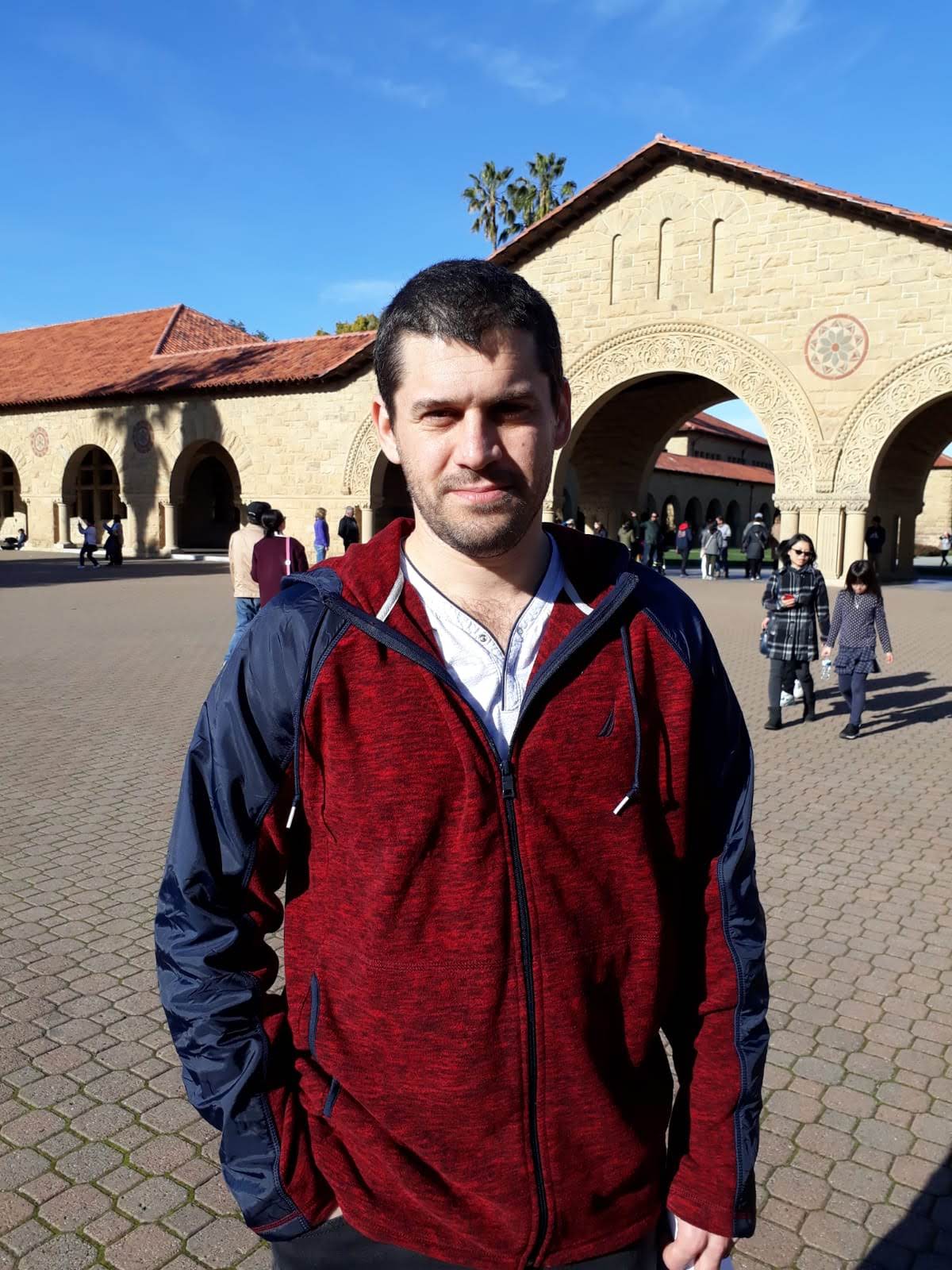
Nadav Priel
Ex-Postdoc
Current position: Group leader, Quantum Art, Israel
Email: nadav.priel@quantum-art.tech
(2018-2022) Nadav was at Stanford as a Koret endowed fellow, coming from the Weitzman Institute in Israel where he did his PhD on the Xenon dark matter experiment at Gran Sasso. Not settling for an easy life, he actually switched field, working on optomechanics and levitated microspheres and demonstrating the PI’s conviction that “good experimental physicists can do anything”. Along with helping with the construction of the “new” optical trap and running many experiments with the old one, Nadav was central to the data analysis effort that produced our first published search for new forces at the micrometer scale. He apparently also liked a lot camping in the Far West!
Alexander Fieguth
Ex-Postdoc
Current position: Research Scientist, DLR, Germany
Email: alexander.fieguth@dlr.de
(2018-2022) Alex was another fine product of the Xenon collaboration and the University of Munster in Germany. As in Nadav’s case, he was brave enough to jump in the somewhat unfamiliar field of optomechanics. Again, good experimentalists are just that! Alex was instrumental in producing the first new force search using levitated microspheres, where his contributions spanned from the design and construction of precision mechanics and optics to the data analysis for the experiment. Equally important, Alex was also the master organizer for the experiment searching for new forces at the micron scale and, in his last year at Stanford, for the entire group. He liked optomechanics and AMO so much that this is still his field of research at DLR in Germany.
Brian Lenardo
Ex-Postdoc
Current position: Panofsky Fellow, SLAC
Email: bglenardo@gmail.com
(2018-2022) After his PhD from UC Davis, Brian was about to wisely drift towards more applied science when was convinced by this pushy PI to give basic science another chance! He very quickly became the nexus of all nEXO (pun intended) activities at Stanford (and beyond). Brian knows everything about radiation detection and, while in the group, contributed to many refinements of the nEXO design. His activities in the group included both hardware development and simulations of the nEXO detector. He was also an excellent mentor for students in the group. While at Staford, Brian also initiated new projects with theorists (in Finland) and did measurements of his design at TUNL. He is still a nEXO collaborator as a Panofsky fellow at SLAC.
Charles Blakemore
Ex-Postdoc
Current position: Lecturer, Stanford University
Email: cblakemo@stanford.edu
(2021-23) See Graduate Student Section
Joseph Howlett
Ex-Postdoc
Current position: Staff Writer, Quanta Magazine
Email: JosephJHowlett@gmail.com
(2022-2023) Joey was the first person in the group to work on Mossbauer spectroscopy for fundamental physics measurements. He led the construction of the first specialized spectrometer and of the piezoelectric device that will eventually bring ultra-flat beryllium disks to sub-micron distances. He tenure in the group was cut short by the opportunity to joint a science writing program that was his real calling. We look forward to reading Joey’s pieces on the NY Times!
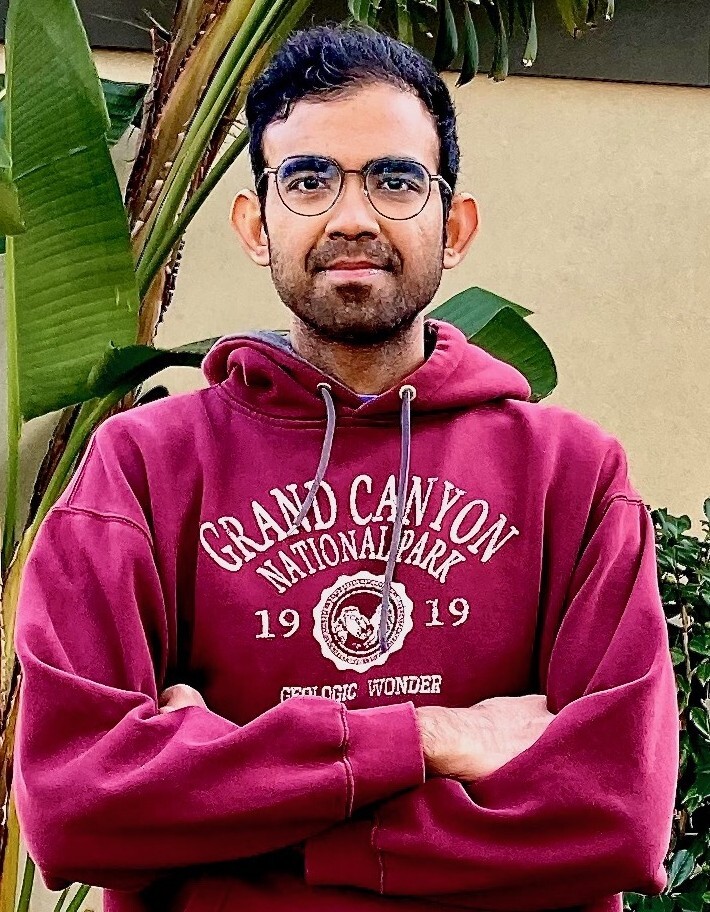
Gautam Venugopalan
Ex-Postdoc
Current position: Optical Scientist, Apple
Email: gautam.venugopalan@gmail.com
(2021-25) Gautam came to our group, at the tail end of the COVID-19 pandemic, from the Caltech LIGO group, where he earned his PhD. With his background, he was the ideal person to take on the overall responsibility for the optical trap used to search for new forces at 10µm scale. How work resulted in a much improved trap stability and a 100x reduced background for the measurement. He developed special light absorbent coatings for various components of the trap and, in particular, the density-modulated attractor. Gautam also enforced (ok, tried to…) the very much needed discipline he had experienced at LIGO. He then moved down the road to Apple, where he is responsible for part of the life-science sensors that you find on i-watches.
Yuqi Zhu
Ex-Postdoc
Current position: Test & Calibration Engineer, Apple
Email: yuqizhu@stanford.edu
(2023-25) Yuqi came to Stanford from Yale, where she was a student of Dave DeMille and a (brief) postdoc of Reina Maruyama. She worked on various aspects of optical traps and, in particular, on modeling of the those and on proper imaging of the neighborhood of the trapping region. She also started to develop a microfluidic attractor which may become the next major upgrade to the trap searching for new forces at micron scale. Yuqi also moved to Apple, where she works on optics.
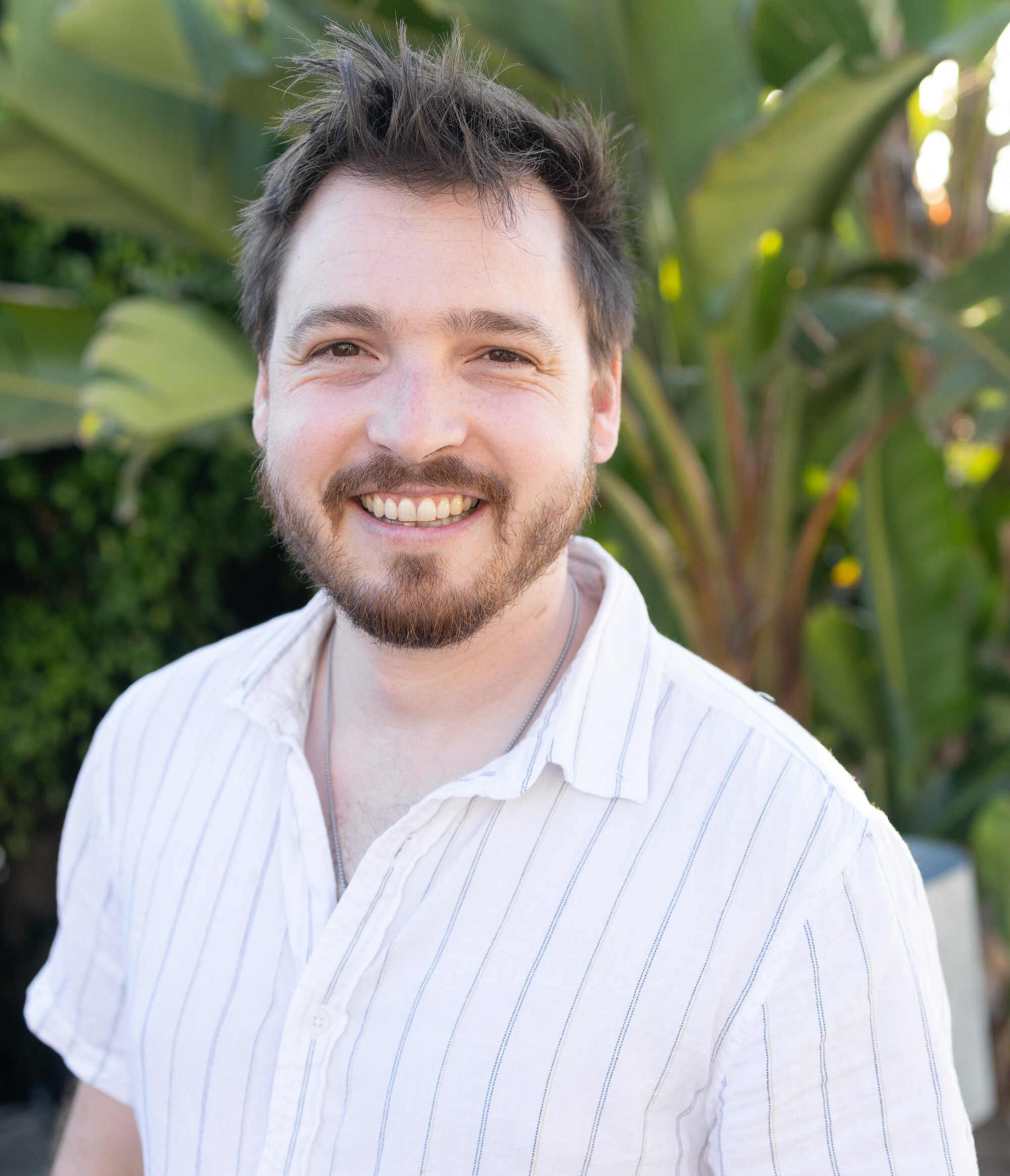
Evan Angelico
Ex-Postdoc
Current position: Design Engineer, TAE Technologies
Email: eangelic@stanford.edu
(2020-25) Evan started in the group right during the COVID-19 pandemic, when lab access was limited and we had “group lunches on zoom”! He came from U Chicago, having worked on LAAPDs for his PhD. Evan worked on many aspects of nEXO instrumentation and, in particular, on tests in liquid Xenon of the ASIC charge collection readout system, and on R&D about the high voltage behavior of surfaces in liquid xenon. In this last area, he developed setups where the high voltage is applied to standard Rogowski electrodes which can be coated in many ways, to change the properties of the surface. Evan then moved-on to TAE technology in Los Angeles, where he is working on commercial Nuclear Fusion.
Graduate Students
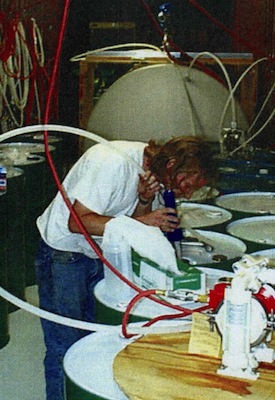
Lester Miller
Ph.D. (2000)
Current Position: Systems Engineer, Sierra Nevada Corporation, Los Gatos CA
E-mail: lester.miller@gmail.com
Lester was the first graduate student in the group. He was also, at times, the only graduate student in the group and hence he learned early to shoulder heavy responsibilities. He is the only Stanford physics student to be known to have lived 6 months in a trailer in the Arizona desert for his love for science. Lester physically put together most of the Palo Verde detector, programmed and debugged the trigger and much of the electronics and graduated on the analysis of neutrino oscillations. He then moved to Harvard as a postdoc working on the CDF experiment and, later, to SLAC where he worked on GLAST. Since 2006 he works at the Sierra Nevada Corporation, in Los Gatos CA (where, apparently, he does not make beer).
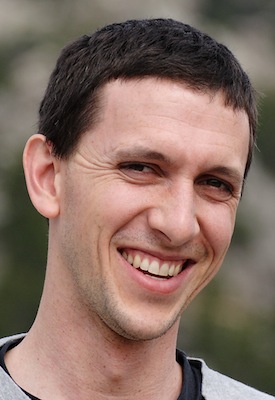
Jason Detwiler
Ph.D. (2005)
Current Position: Associate Prof., University of Washington
E-mail: jasondet@gmail.com
Jason did his PhD thesis on KamLAND. He had the rare privilege of observing a new phenomenon of physics in the course of his graduate student career, observing, for the first time, what SuperKamiokande scientists cleverly call "the oscillatory behavior of neutrino oscillations." Jason was also greatly contributed to the construction of the KamLAND detector, spending substantial time in Japan installing photomultipliers and debugging the data acquisition system for the experiment. To date he is the only Japanese to have worked in our group (despite the confusion generated by people's names). After graduation Jason became a postdoc at the University of Washington in Seattle. In 2007 he became a Glenn Seaborg fellow at LBNL (and assures us that this does not imply he has turned into a chemist!). From the Summer of 2012 Jason is an Assistant Professor at the University of Washington in Seattle.
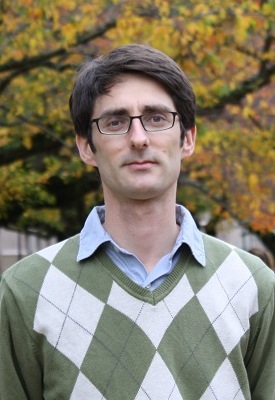
Nikolai Tolich
Ph.D. (2005)
Current Position: Lecturer, University of Washington, Seattle
Tel: (206) 543 1493
E-mail: nikolai.tolich@gmail.com
Nikolai designed and built the trigger and GPS clock systems for the KamLAND experiment. He then contributed to the commissioning of the readout system for the experiment. For his Ph.D dissertation Nikolai measured, for the first time ever, antineutrinos produced by uranium and thorium decays inside the earth. He ended up learning lots of things about chondritic meteorites and other strange subjects (for a particle physicist) in the field of earth and planetary science. Nikolai’s thesis work represents the first example of “applied neutrino physics,” a pretty impressive distinction that was recognized by the award of the APS Dissertation Award in Nuclear Physics (APS Dissertation award page). After graduating Nikolai worked as a postdoc at LBNL on the SNO experiment and is now at Assistant Professor at the University of Washingthon in Seattle. At the time of writing (2008) Nikolai has almost entirely lost his Kiwi accent!
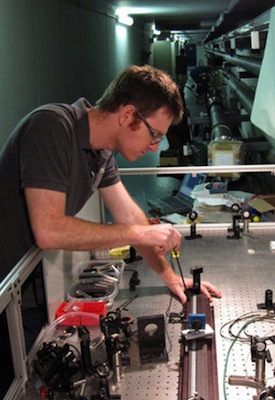
Sam Waldman
Ph.D. (2005)
Current Position: Founder and CEO at Neutralino Space Ventures
E-mail: Sam.Waldman@spacex.com
Sam is the heroic founder of the atomic physics branch of the group. He was somehow convinced to join a particle physics group to setup an ion trap and a laser spectroscopy lab from nothing. He built countless electronics and optical gadgets and brought to life a system where Ba-ion trapping and spectroscopy could be studied in the presence of different gases including xenon. His data and theoretical models were then used by a new generation of students to design a large, linear quadrupole trap, optimized for high efficiency ion loading. On the side Sam also contributed in a great way to the work that the group did to drastically improve the energy resolution in liquid xenon detectors. After graduation Sam moved to Caltech as a LIGO postdoc and in 2008 to MIT as a research scientist. Sam is now working in the navigation division of SpaceX.
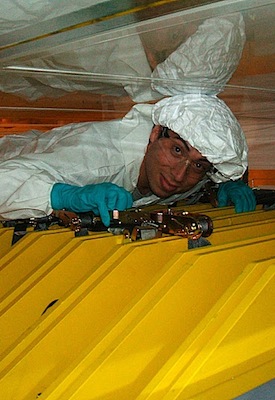
Jesse Wodin
Ph.D. (2007)
Current Position: Lab Director, SRI International
E-mail: jwodin@slac.stanford.edu
Jesse did basically two theses in one. He worked on liquid xenon detector detector R&D with Thomas Koffas et al but then switched to the AMO side of the house to design and build (with Matt Green and Bjorn Flatt) the "MarkII version" of the EXO ion trap. Being also a product of MIT he introduced lab automation to the EXO AMO lab, so that he could take data with the new ion trap while goofing on a beach. Jesse used the new ion trap, a linear RF quadrupole trap, to observe single Ba ions in the presence of several background gases and, in particular, Xenon. He wrote the first paper describing the identification of single Ba ions in the presence of Xe gas and demonstrating how the trap dynamics is altered by heavy gas and another light, stabilizing species. After graduating Jesse remained with EXO, becoming a SLAC postdoc and site managed for the EXO-200 operations at WIPP. Since the end of 2012 Jesse is a staff scientist at SRI international in Menlo Park.
Kazumi Tolich
Ph.D. (2008)
Current Position: Lecturer, University of Washington, Seattle
E-mail: kazumi.tolich@gmail.com
Kazumi joined the group after graduating from UC Berkeley and came determined to work in KamLAND so that she could explore, as an "American," her native Japan! She took over the trigger system and rebuilt/upgraded parts of it. After exploring the general physics of KamLAND, Kazumi decided that she wanted to do as a thesis a global analysis of all antineutrino channels, using weighting functions instead of sharp cuts to separate good events from backgrounds. In doing this she substantially improved the reliability of both oscillation parameter measurements and geo-neutrinos. Her thesis marks the conclusion of the reactor phase of the experiment. After a period as a postdoc with the University of Washington, Kazumi discovered that what she really likes is teaching and became a full time Physics professor University of Washington in Seattle.
Kathy Downum
MS (2010)
Current Position: Physics teacher at Bellarmine College Preparatory School, San Jose, CA
Kathy was the last Stanford student on KamLAND. She maintained and upgraded the trigger of the experiment during the scintillator purification periods, when detector performance was rapidly changing. She also studied neutrinos produced in Supernovae and Gamma Ray Bursts. As a Stanford student Kathy did lots of TAing and tutoring and at some point discovered that this was her real passion. She is now a Math and Science teacher at a grade school in Mountain View, where she gets to do the most important of all things, giving her students a solid base for their future studies.
Matt Green
Ph.D. (2010)
Current Position: Assistant Prof., North Carolina State University
E-mail: matthew_green@ncsu.edu
Matt was the main student on the EXO linear ion trap that he designed and commissioned with Jesse Wodin and Bjorn Flatt. With the trap Matt studied the transfer of Ba ions using cryogenic probes. He also worked on liquid Xenon detector techniques. Upon graduation Matt decided to switch to the competition, becoming a postdoc in the UNC Majorana group.
Naoko Kurahashi
Ph.D. (2010)
Current Position: Associate Professor, Drexel University
E-mail: lovelynaoko@gmail.com
Naoko was the only graduate student (and only working collaborator) on the SAUND-2 project, studying the detection of ultra high energy neutrino showers in sea water using acoustic production. She single-handedly designed, built and installed a data acquisition system to collect data at the US Navy AUTEC array, collecting the largest acoustic data set ever in particle astro-physics. She then analysed the data producing results that are of interest for particle astrophysics as well as for underwater acoustics. For long time she slogged through an exotic experiment that was foreign to the rest of the group, using techniques that were unfamiliar to her advisor. After graduation she decided that she enjoyed too much sun at Bahamas and Stanford and she moved to the University of Wisconsin to work on IceCube at the South Pole. She is now an assistant professor at Drexel University.
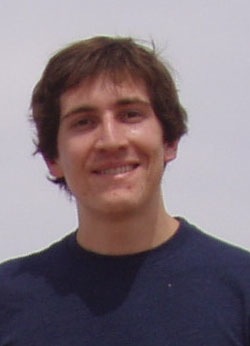
Francisco LePort
Ph.D. (2010)
Current Position: CEO, Gordian Biotechnology
E-mail: leportfr@gmail.com
Francisco started working on the R&D on liquid Xenon resolution. He was a driving (if very young) force behind our early studies of scintillation-ionization correlations. He then worked on the design, construction and testing of a LXe detector entirely made out of teflon, this was a first in detector technology. Francisco then became one of the most active members of the EXO-200 group, designing, building and commissioning much of the detector and its infrastructure. After graduation Francisco started working for TESLA motors, developing better batteries for electric cars. Francisco kindly allowed his advisor to test drive a roadster in the Santa Cruz montains!
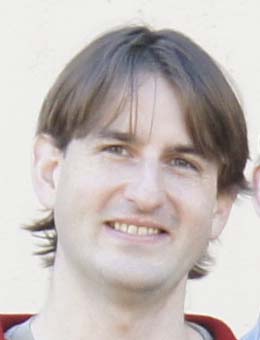
Russell Neilson
Ph.D. (2011)
Current Position: Associate Professor, Drexel University
E-mail: rneilson@uchicago.edu
Russell was the second Kiwi student of the group. For reasons that defy logic we have graduated more Kiwis than any other nationality except for American! Russell worked on all aspects of EXO-200, from the design of the experiment to the data taking and first data analysis. During the phase of detector construction Russell was in charge of testing the large area avalanche photodiodes used in the experiment. He designed and built the cryogenic setup for this task and used it to characterize and select some 800 APDs. Russell then became one of the Xe thermodynamics experts commissioning the EXO-200 detector and built a custom pump to recirculate and purify the xenon used in the experiment. As low background data started being collected Russell made a few plots and declared "is this the 2 neutrino double beta decay?" That was indeed it, substantially faster than some of the experimental lower limits had claimed. Russell was one of the few people really instrumental in bringing the first EXO-200 data analysis to fruition in record time (<2 months). Dr. Neilson was a postdoc at the University of Chicago, working on supercritical detectors for dark matter. He is now an assistant professor at Drexel University.
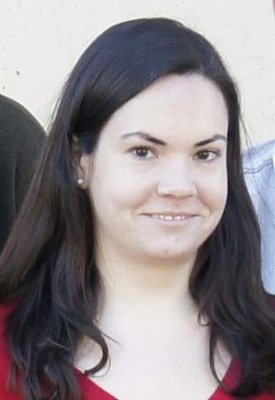
Maria Montero Diez
Ph.D. in Chemistry (2012)
Current Position: Sr. Design Engineer, KLA-Tencor
E-mail: mariamd@stanford.edu
Maria was the first Chemistry PhD of the group. She was recruited pointing out that Ray Davis was a chemist who got a Nobel prize (in Physics) working on neutrinos! She worked on a technique using resonant ionization spectroscopy to selectively recover Barium ions collected in the double-beta decay of 136Xe. Maria helped build the first setup demonstrating non-zero efficiency for Ba tagging. in the process she also built an innovative little source of single ions, using alpha recoils in a radioactive source. After her PhD Maria moved to KLA-Tencor, helping design the semiconductor processing equipment of the future.
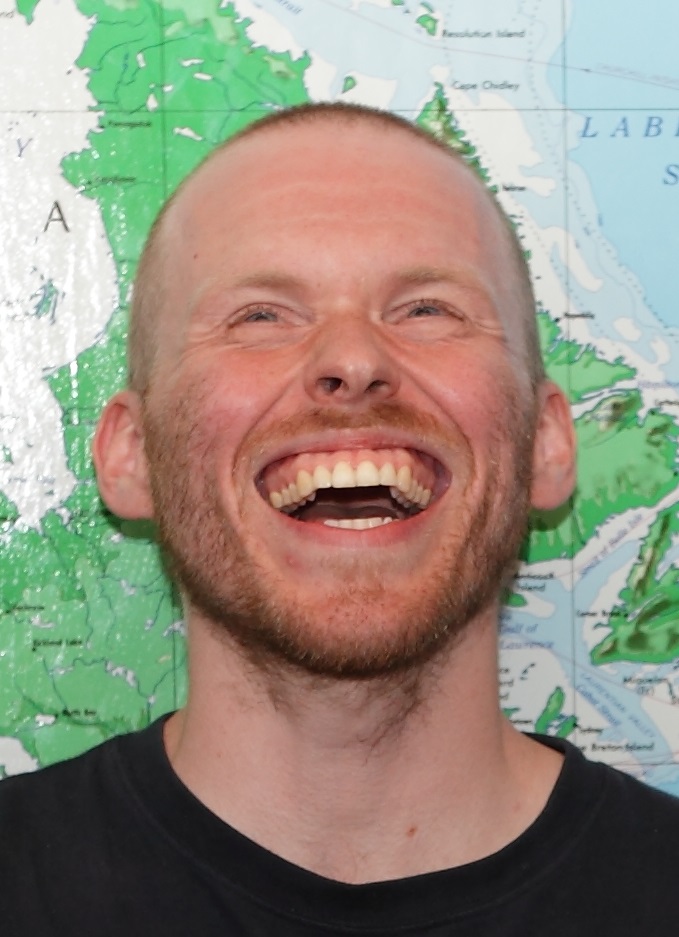
Kevin O'Sullivan
Ph.D. (2012)
Current Position: Data Science Manager, Grammarly
E-mail: i.am.not.kevin.osullivan@gmail.com
Kevin worked on many aspects of the EXO program, from the construction of EXO-200, to the experimentation of ion sources for the Barium tagging R&D of EXO and finally to the data analysis that led to the first EXO-200 paper on the neutrinoless double-beta decay. Hence, by the time he graduated, Kevin knew all details of the EXO program. He then moved to Dark Matter detection, still with liquid Xenon, joining the LUX group at Yale as a postdoc.
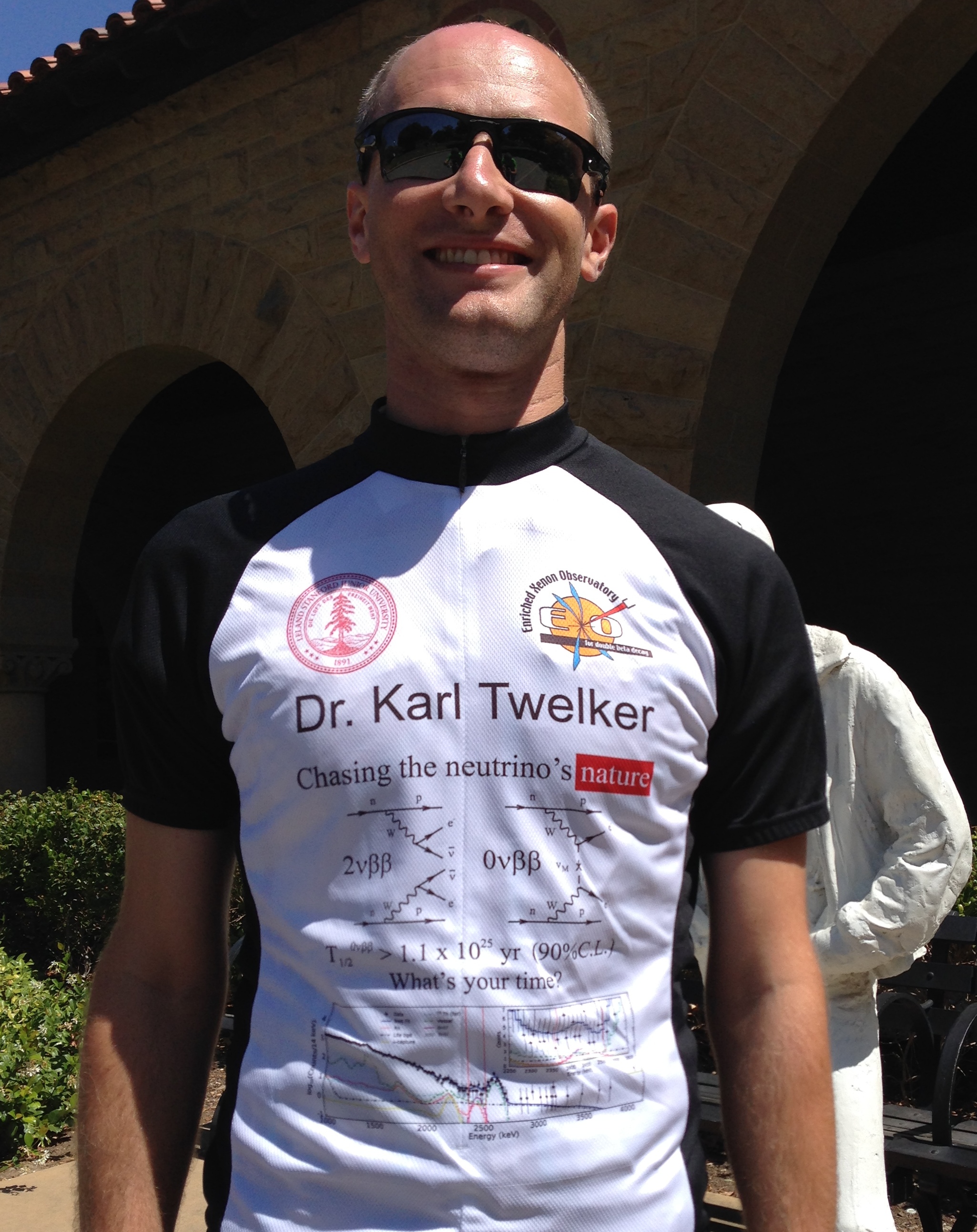
Karl Twelker
Ph.D. (2014)
Current position: Principal Member of the Technical Staff, Draper labs
E-mail: ktwelker@gmail.com
Karl designed and built a complete apparatus to remove Ba atoms produced in a liquid xenon cell, transport them to a vacuum chamber, desorb them from the carrier substrate, resonantly re-ionize them with pulsed lasers and identify them in a time-of-flight spectrometer. This is the first system that, at least in principle, can carry out all of the steps required to identify Ba atoms deriving from the double-beta decay of Xe-136. Karl then used the system to start the systematic study of suitable substrate materials and the processes required to properly prepare them. Karl also participated in the operations of the EXO-200 detector at the WIPP underground location in New Mexico.
Scott Kravitz
Ph.D. (2017)
Current position: Assistant Professor, University of Texas, Austin
E-mail: skravitz@utexas.edu
In his time as a graduate student, Scott tackled three distinct projects. In EXO-200, he completed the first analysis using machine learning algorithms, searching for double-beta decays into excited states. The complex gamma-ray topologies make the use of non-classical analysis techniques. In a different area, he continued the work on Barium tagging started by Karl (previous entry). Here he systematically tested many substrate materials and preparations, substantially improving the stability of the setup. Finally, with an undergraduate, Scott started the work on the technique we now call “distributed imaging”, a novel concept to reconstruct images in scintillation detectors. This was mainly a software project but it also required forays in the mysterious field of large etendue optics.
Dan Fudenberg
Ph.D. (2018)
Current position: staff data platform engineer, Qventus
E-mail: dfudenberg@alumni.stanford.edu
Dan worked into two different areas of interest for the search of neutrinoless double beta decay. On the one hand, he introduced machine learning algorithms in analysis of neutrinoless double beta decay of EXO-200. This is the technique used to produce the best results from the experiment and is the basis on which the final analysis of the experiment is based. In an entirely different area, Dan did pioneering work, with Thomas Brunner, on a complex system to extract barium ions from a high pressure gas xenon cell to good vacuum, guiding them with good efficiency with a number of radiofrequency devices and, in particular, an “RF funnel”. Dan’s setup is continuing its life at McGill, where it is being augmented and refined.
Alexander Rider
Ph.D. (2019)
Current position: Senior Engineering Manager, SciTec
Alex was the first graduate student to work on the then new idea of testing gravity at short distance using optically levitated dielectric microspheres. Hence he started from an empty lab and built the main trap we used for much of the work done until 2020. He invented a number of techniques that we now commonly use in the lab and, in particular, the use, in interferometer, of the light back-reflected by the microsphere to measure and apply feedback in the vertical direction. Alex also did much of the seminal work on microsphere rotations. During his time in the group, he was also our “microfabricator in chief” and, with the help of Qidong Wang, fabricator the our first density-modulated attractor.
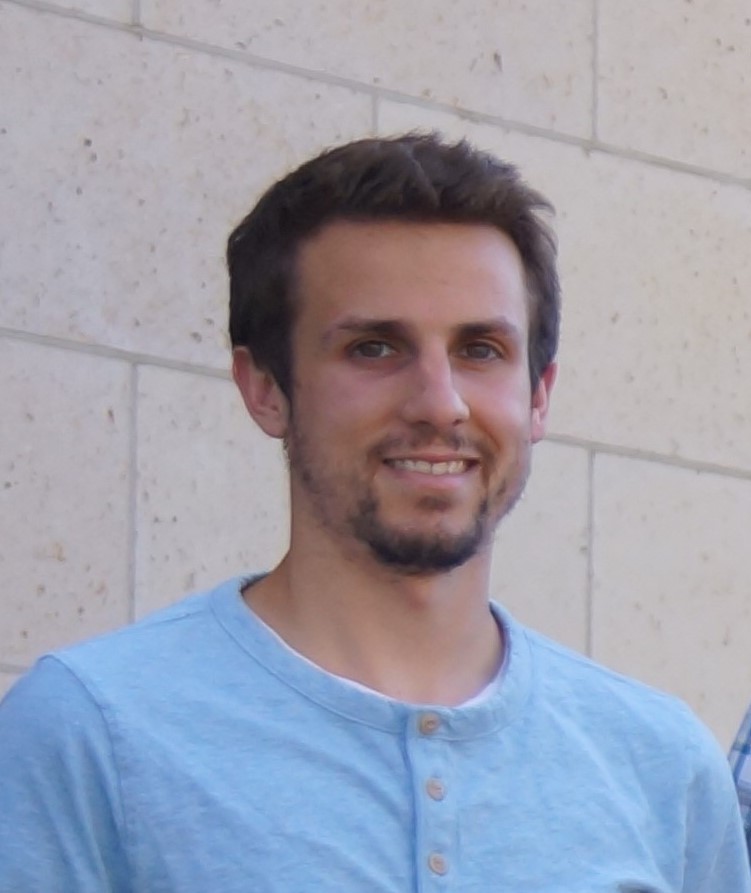
Michael Jewell
Ph.D. (2020)
Current position: Postdoc, Yale University
Mike was the graduate student connecting EXO-200 with nEXO. His thesis used advanced techniques to produce the final neutrinoless double beta decay search for EXO-200, using the full data set from the experiment. It also described an important component of the nEXO R&D: the charge collection tiles. For this last item, Mike designed and build, along with Alexis Schubert, one of the workhorse liquid xenon system in the nEXO collaboration. He also did much of the data analysis required to extract useful information from the tiles. Finally, Mike had the misadventure of graduating defending his dissertation by the dreaded Zoom, because of COVID-19.
Charles Blakemore
Ph.D. (2021)
Current position: Lecturer, Stanford University
During his PhD work, Chas contributed to every measurement done with optically levitated microspheres. Since he also stayed on as a (short) postdoc, he became the group’s institutional memory for that activity. Chas designed all hardware and firmware for the heterodyne trap readout and feedback system. He worked on the fabrication of attractors and electrostatic shields on SOI wafers and became familiar with a number of diagnostic tools at SNSF. Chas had a central role in understanding the rotational dynamics of microspheres, including the development of vacuum gauges using it. He was also instrumental in inventing the techniques to weigh microspheres in the optical trap, then using them as 3D force sensors, and doing the first search for new interactions at the micrometer scale. Apparently, Chas’ hobby was to run COMSOL, although skiing came close second.
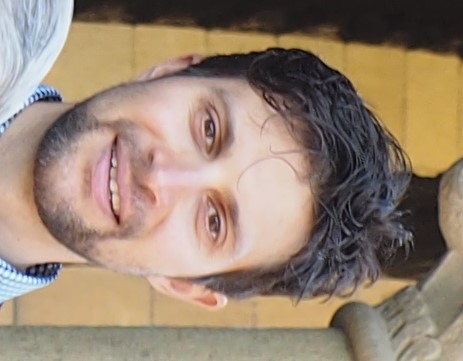
Jacopo Dalmasson
Ph.D. (2023)
Current position: Scientist, Fondazione Bruno Kessler, Trento, Italy
Maybe surprisingly, Jacopo was the first Italian graduate student in the group! He singlehandedly developed the concept and then the full optical model of what we went-on to call “distributed imaging” for liquid scintillation detectors. This is, as far as we know, the optimal way to form images in the photon-starved regime, when the light is produced at random positions in a large volume. He was also the first full time nEXO student and worked on many activities optimizing the design of the nEXO Time Projection Chamber. He ran Silicon Photomultiplier arrays of his design in liquid xenon, along with charge collection tiles (“imported” from China). Jacopo was also a “professional” bicycle rider who once rode his bike from Palo Alto to a collaboration meeting at UC San Diego!
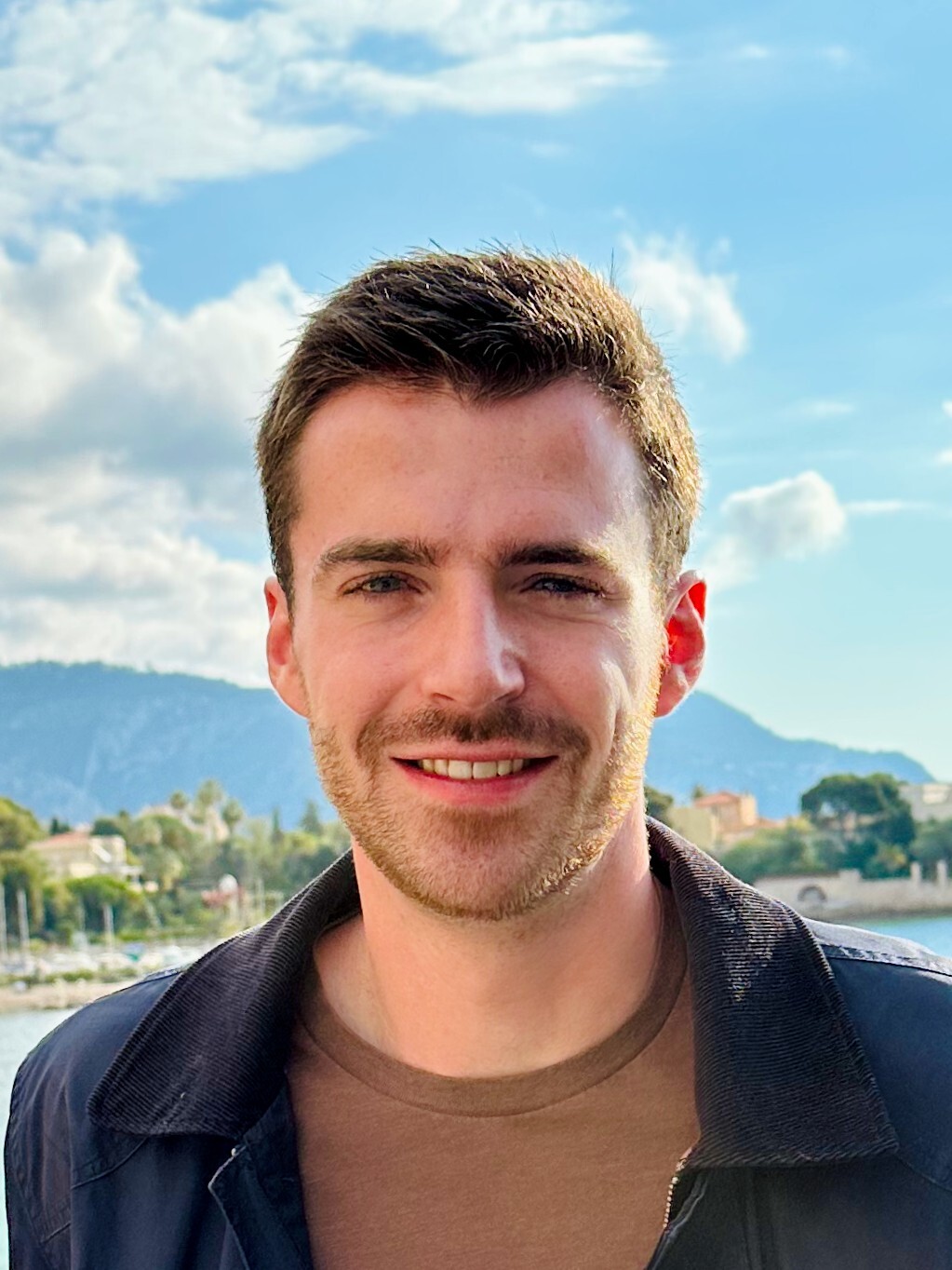
Clarke Hardy
Ph.D. (2025)
Current position: Postdoc, Yale University
Clarke joined the group right in the middle of the COVID-19 pandemic. In fact, his first assignment was to design and build a new liquid xenon test system in a new laboratory, alone! He then proceeded to use such test system to investigate new calibration ideas for nEXO and a custom xenon purifier he designed. Given the well-known lightning speed at which DOE pushed forward paradigm-shifting experiments such as nEXO, Clarke then shifted his activity to the analysis of the data from the optical trap, searching for new long-range interaction at the micron scale. He produced the new result published in 2025 and, in the process, devised a new technique to extract more information from the quadrant photodetector used in the readout of the trap. Dr. Hardy then moved to Yale, to continue working on topics at the boundary between nuclear physics and optomechanics as a postdoc.
Undergraduate Students
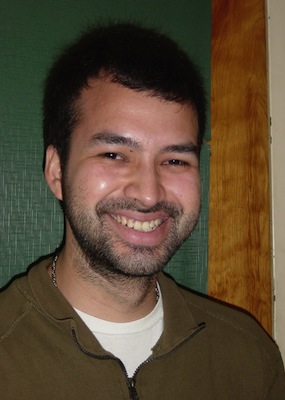
Carlos Ancona-Torres
(Class of 2000)
Current Location: Research Scientist, Denmark
Carlos investigated infrared emission by liquid helium irradiated by ionizing particles. He them moved to University of Chicago for graduate school.
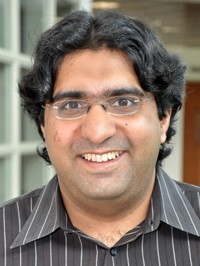
Shaffique Adam
(Class of 2000)
Current Position: Assoc. Prof., National University of Singapore
E-mail: adam1@umd.edu
Shaffique performed the very early calculations on the subject of acoustic ultra high energy cosmic-ray neutrino detection. He then obtained a PhD from Cornell working on condensed matter theory.
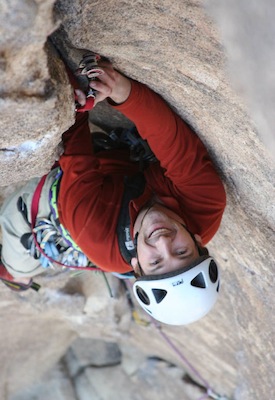
Dennis Murphree
(Class of 2001)
Current Position: Co-Director, Office of Artificial Intelligence, Mayo Clinic Department of Dermatology
E-mail: Murphree.Dennis@mayo.edu
Dennis helped design parts of the KamLAND data acquisition while at Stanford. He also spent a summer in Japan assembling the KamLAND detector. His professional rock climbing skills provided a way to clean acrylic plates while belaying from a rope inside KamLAND. After graduation Dennis spent a year at the University of Barcelona on a Fullbright fellowship then moved to Yale for graduate school where he works in Prof. David DeMille's group.
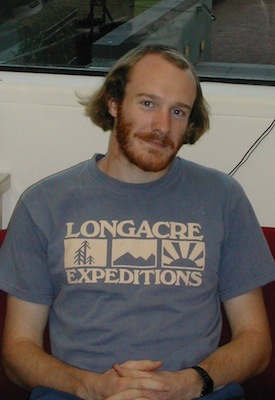
Justin Vandenbroucke
(Class of 2003)
Current Position: Assiciate Prof., University of Wisconsin, Madison
E-mail: justinv@stanford.edu
Justin built the first generation DAQ for the SAUND project. This was the first detector of ultra-high-energy cosmic ray neutrinos using acoustic techniques. After graduating Justin took a year off with the intent of traveling, but he was hooked by physics and, instead spent most of the year analysing SAUND1 data and writing the first paper on the subject. He then moved across the Bay for graduate school, exporting the acoustic technique to Berkeley and the Ice3 detector. After graduating from UC Berkeley Justin became a KIPAC Fellow and a NASA Einstein Fellow. He will start as an Assistant Professor of Physics at the University of Wisconsin Madison in the Summer 2013.
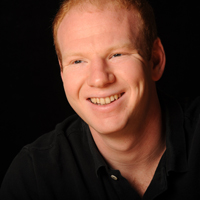
Shimon Kolkowitz
(Class of 2008)
Current Position: Associate Prof., UC Berkeley
E-mail: shimonk@physics.harvard.edu
Shimon worked on many aspects of the EXO program. He built injection locked lasers for the EXO ion trap and helped setup the lab for the pulsed lasers we use in the RIS-based ion transport R&D. He is now at Harvard working on quantum computing in Prof Lukin's group.
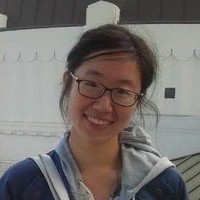
Marie Lu
(Class of 2017)
Current position: Graduate Student, UC Berkeley
Email:
Marie was the first undergraduate student to operate our optical trap and worked on measuring the charge state of trapped microspheres. While UV flashes have become the technique of choice to change the charge state of microspheres, Marie worked on an alternate technique using alpha particles. She co-authored one of the early papers from this activity.
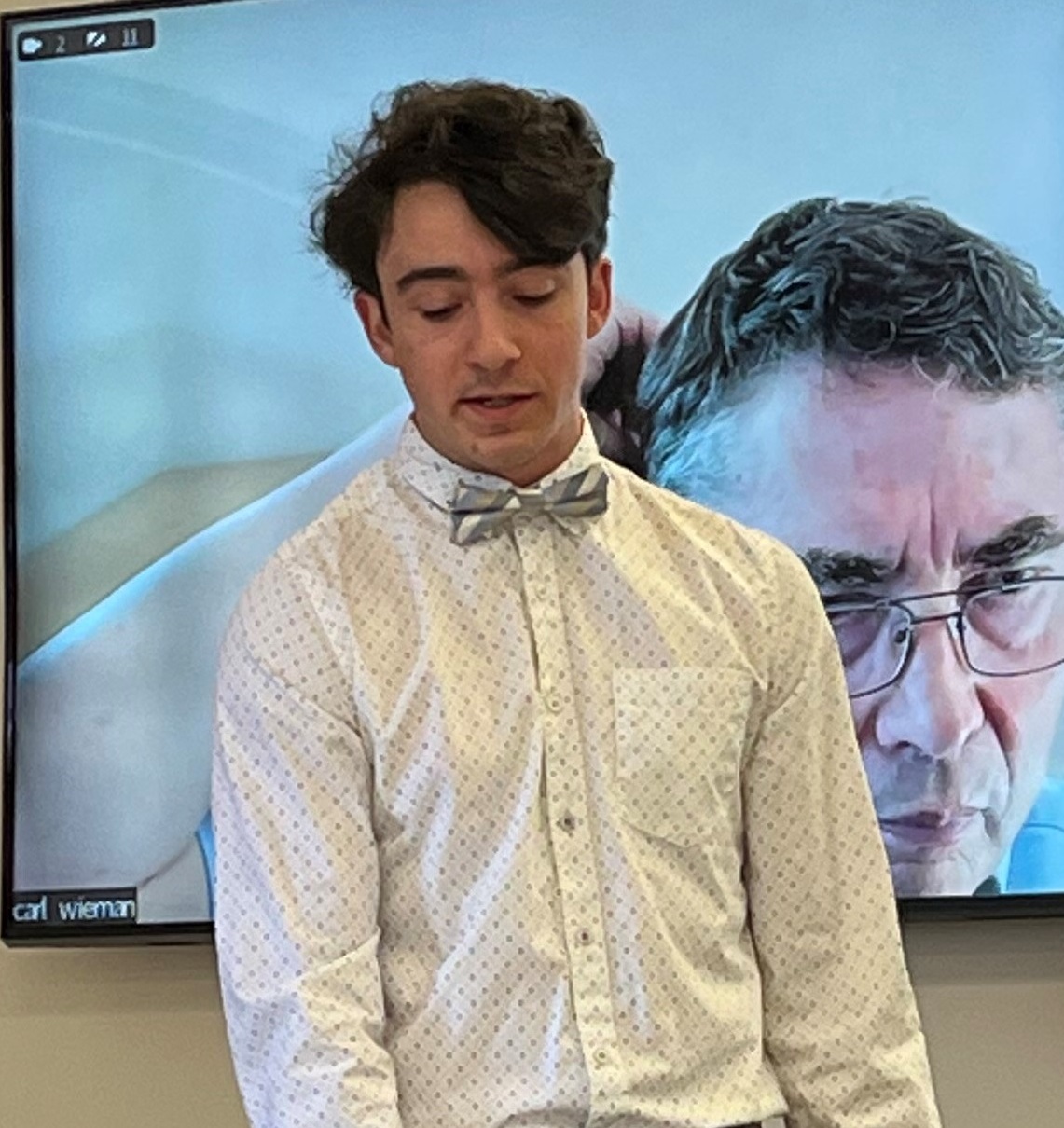
Emmett Hough
(Class of 2022)
Current position: Graduate Student, University of Washington,Seattle
Email:
As an undergraduate, Emmett worked on a new, rotating attractive attractor system for the experiment searching for new interactions at the micron scale. He optimized and designed the first generation of 2mm diameter disks, built a microscope with machine vision to calibrate and fine tune the rotary drive device built by our Swiss collaborators. As an undergraduate he gave an oral presentation at DAMOP and received Stanford’s Firestone award for undergraduate research.
Kenneth Kohn
(Class of 2025)
Current position:
Email:
Visitors
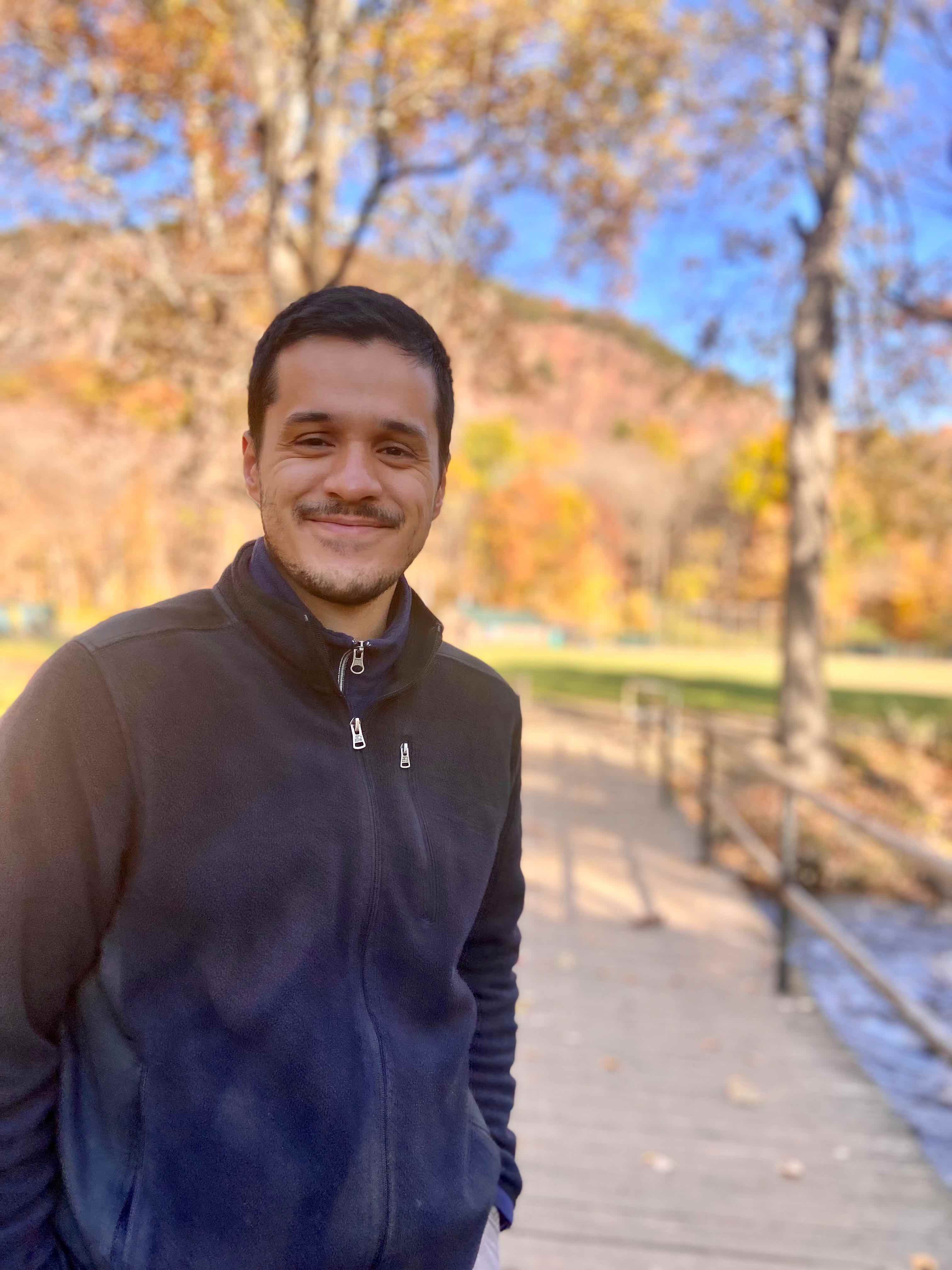
Ako Jamil
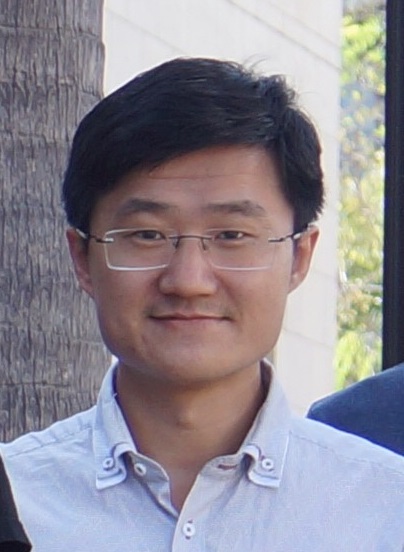
Fengpeng An
Qidong Wang
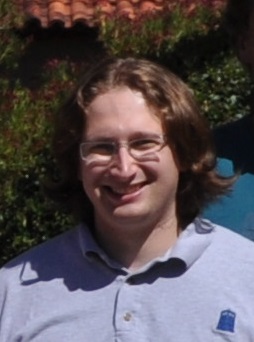
Josh Albert
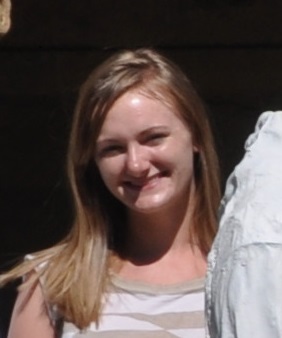
Tessa Johnson
Jespere Calderone Nzobadila Ondze
Odwa Tyuka
Glenn Richardson