Spatial Distribution of Vasi’s Views
Of Vasi’s 238 views included in this database, all but 17 can be found on the Nolli map (Ponte Milvio, Plate 84, and Villa Madama, Plates 184, 185, are well off the map to the north while the distant S. Paolo Fuori le Mura, Plates 100, 100A, and abbey of S. Paolo alle Tre Fontane, Plate 43, near EUR are to the south. The authors have included all sites referencing them to the satellite image when the Nolli map did not suffice. An additional 7 sites are outside the walls but clearly visible on the Nolli map such as the Villa Borghese, Plate 187, and Villa Albani 190. The distribution of Vasi’s station points on the Nolli map and satellite image is instructive especially when compared to those of his former pupil and classically inclined rival, Piranesi. Vasi’s views are spread throughout the city in an even, capillary manner treating many parts of the city that were off the beaten path like the church of S. Cosimato in Trastevere, Plate 151 or S. Saba, Plate 57 on a spur of the Aventine. By contrast Piranesi concentrates his views on major monuments such as the Piazza del Popolo or S. Giovanni in Laterano, especially focusing his attention on the Roman Forum and other archeological zones. For this reason Vasi is the more inclusive chronicler of the two and even though his views may not match those of Piranesi in drama, from a topographer’s point of view, they are more useful as a reference for the city as a whole.
Vasi’s Views in Context
Vasi represents all his features in their urban or ex-urban context. Of all the plates only one, Propaganda Fide, Plate 164A , depicts a building as free standing although it is in reality located in a dense urban setting. There are no interior architectural views in the Magnificenze emphasizing the architectural and urban focus of this work. There are, however, about a dozen incidental vignettes of building plans, furniture and one charming depiction of a troupe of the Commedia dell’Arte.
Given likely themes for organizing views of the city (by ancient monuments as opposed to modern) it was not a foregone conclusion that Vasi would structure his ten volumes in the manner in which he did. Although Vasi’s views in the Magnificenze are ostensibly organized by building type this order typically has an overlapping topographic component. For example, Book I devoted to gates, shows scenes which neatly encircle the perimeter of the city and significantly are ordered in a logical clockwise sequence along the Aurelian wall circuit beginning at the Porta del Popolo, Plate 1, and ending at the Porta Castello, Plate 20. Book V which treats Bridges and the Tiber, contain views which follow the course of the river as it winds its way from the Ponte Mamolo, Plate 81 in the north continuing sequentially to points south terminating on the banks next to S. Paolo fuori le Mura, Plates 100, 100A . The topographic patterns in his following volumes are more diffuse, but again in Book X, which is dedicated to Gardens and Villas, he focuses on the zone just outside the walls or at least within the disabitato (the uninhabited part of the city within the walls). Villa Borghese, Plate 187, and Villa Doria Panphilj, Plate 200, illustrate the first case while the Villa Ludovisi, Plate 189 and Villa Mattei, Plate 196, the second.
Companion Views and Contiguous Views
Although the topographic nature of Vasi’s Magnificenze cannot be rigidly defined as noted above, especially in those books without a clear topographic theme, there is ample evidence that Vasi it was his intention to thoroughly represent important sites such as the Forum and Lateran for he devoted several views to these areas even though the prints which cover them may appear in different volumes. For example, he shows 4 views of S. Giovanni in Laterano, (Plates 34, 46, 72, and 101) and in the Roman Forum records 5 views (Plates 31, 32, 42, 54 and 197). It is intriguing that many views have been consciously “paired” so as to view the same piazza or monument from two distinct, often opposing, points of view. For example, in his print of Palazzo Colonna, Plate 63, Vasi shows the Piazza SS. Apostoli from the south while in his companion print, Palazzo Odeschalchi, Plate 64, he shows the same piazza from the north. He uses an identical strategy for representing the Piazza del Collegio Romano, as can be seen in Plates 66 and 162, even though the prints are separated by several volumes (Books 4 and 9 respectively).
Given Vasi’s later interest for sweeping panoramic views of the city, evident in the Panorama and Patriarchal Churches, it is likely that he had already conceived this method to view his subjects in the Magnificenze executed years earlier. There are at least 12 cases where he deliberately stationed himself to take multiple views of the same or neighboring sites which, at least in theory, could be sewn together into a more comprehensive “street panorama.” Good examples are the Piazza Venezia (Plates 39, 65 and 170), Piazza di Spagna (Plates 40 and 40A) and the Gesù (Plates 79 and 135). When Vasi operates in this mode he always gives the viewer a “visual segue.” For example in his contiguous views of the Gesù and Palazzo Altieri, the Gesù appears in both, and the missing part of the Gesù in one print is neatly completed by the contiguous view of the other. It is possible to locate Vasi’s station points on the Nolli map with confidence in most cases. However any given panorama has an element of collage whereby shifting station points were employed and the resulting images synthetically combined by Vasi in his studio.
The following gives specific examples of the two general types noted above.
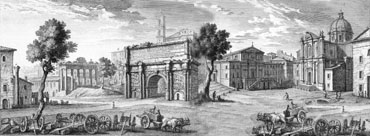
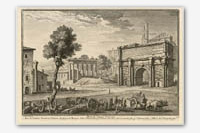 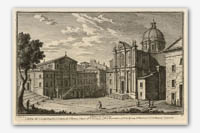
Plate 31 Arch Septimius Severus + Plate 42 S. Pietro in Carcere.
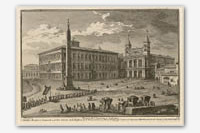 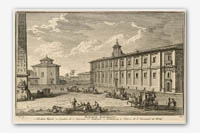 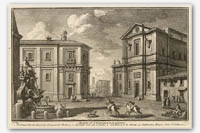
Plate 34 S. Giovanni Laterano + Plate 101 Battisterio Lateranense + Plate 172 Spedale di S. Giovanni Laterano
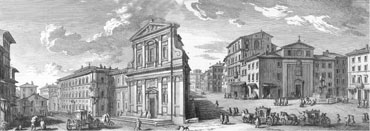
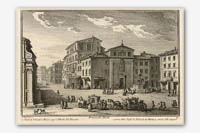 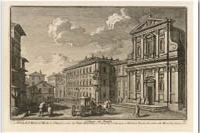
Plate 37 Piazza ali Monti + Plate 169 Collegio de’ Neofitti
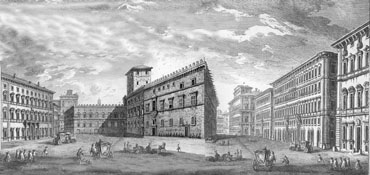
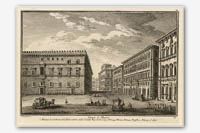 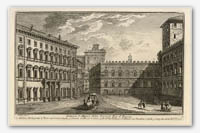
Plate 39 Piazza S. Marco (Venezia) + Plate 65 Palazzo S. Marco
I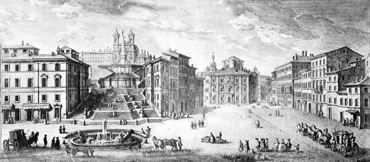
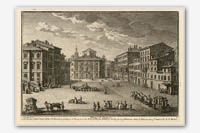 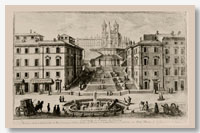
Plate 40 Piazza di Spagna (Palazzo Propaganda Fide) + Plate 40A Piazza di Spagna
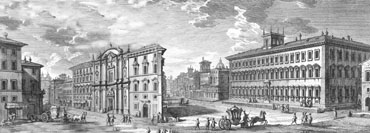
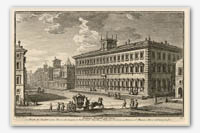 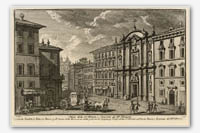
Plate 68 Palazzo Ruspoli + Plate 128 S. Trinitá
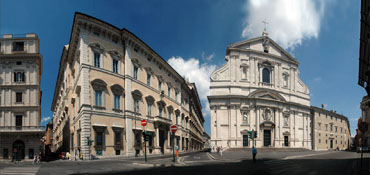
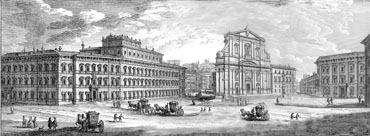
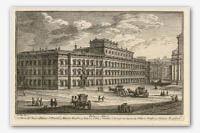 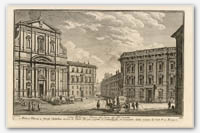
Plate 79 Palazzo Altieri + Plate 135 Gesu
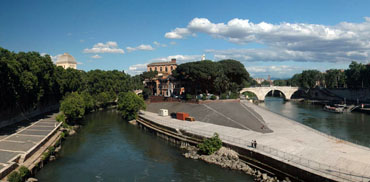
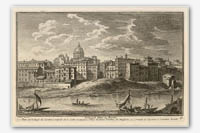 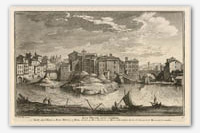
Plate 90 Spiaggia detta La Regola + Plate 91 Isola Tiberina
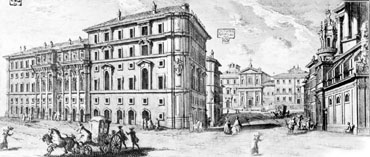
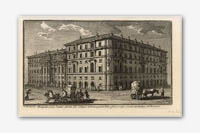 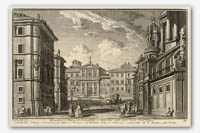
Plate 164A Collegio di Propaganda Fide + Plate 146 S. Andrea dell Fratte
Selected Companion Views
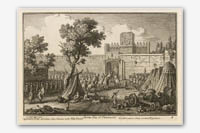 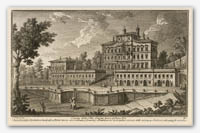
Plate 4 Porta Pia + Plate 191 Casino Villa Patrizi
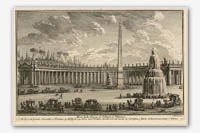 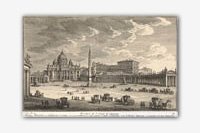 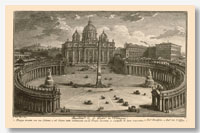
Plate 27 Piazza S. Pietro (lateral view) + Plate 41 S. Pietro (frontal view)
+ Plate 41A
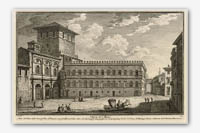
S. Pietro (elevated view
Plate 39 Piazza S. Marco (Venezia) + Plate 65 Palazzo S. Marco + Plate 115 S. Marco
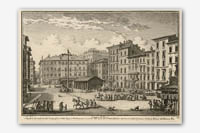 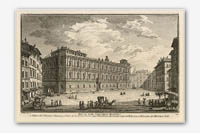 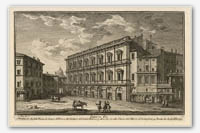
Plate 28 Campo de Fiori + Plate 74 Palazzo Cancelleria + Plate 75 Palazzo Pio
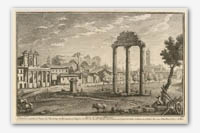
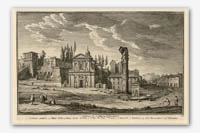 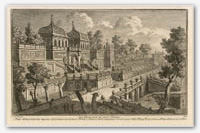
Plate 31 Campo Vaccino + Plate 32 Campo Vaccino + Plate 42 S. Pietro in Carcere
+ Plate 54 Chiesa S. Maria Liberatrice +
Plate 197 Orti Farnesiani
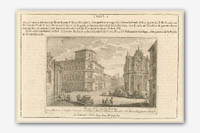 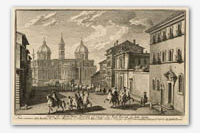
Plate 36A Piazza delle Quattro Fontane + Plate 122 Chiesa di S. Paolo Eremita (S. Maria Maggiore)
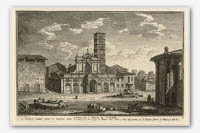 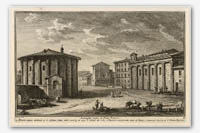
Plate 56 SM Cosmedin + Plate 94 Temple of Vesta
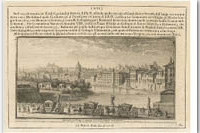 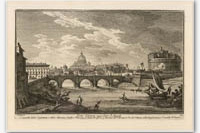
Plate 85A Ponte S. Angelo + Plate 86 Ponte S. Angelo
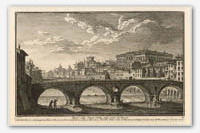 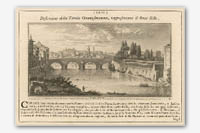
Plate 88 Fianco della Strada Giulia (Ponte Sisto) + Plate 89 Ponte Sisto
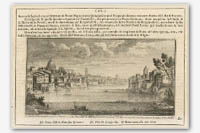 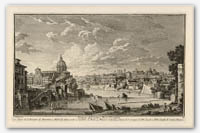
Plate 87A Passo della Barchetta + Plate 87 Ponte Trionfale
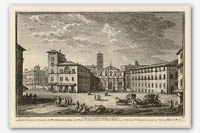 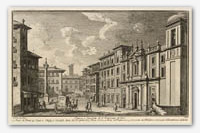
Plate 92 S Bartolomeo Isola + Plate 173 Chiesa e Spedale di S. Giovanni di Dio
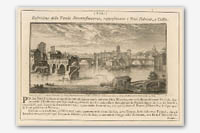 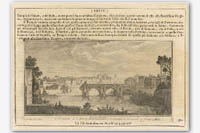
Plate 93 Ponte Quattro Capi + Plate 94A Ponte Rotto
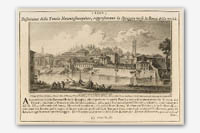 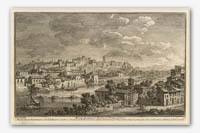
Plate 95 Lugotevere dei Pierleoni + Plate 96 Monte Aventino
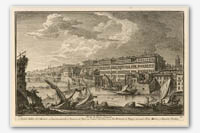 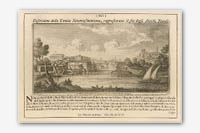
Plate 97 Porto di Ripa Grande + Plate 98 Porto di Ripa Grande
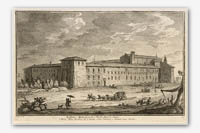 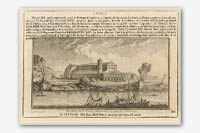
Plate 100 Monasterior di S. Paolo + Plate 100A Basilica di S. Paolo
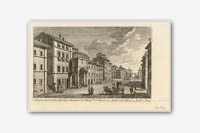 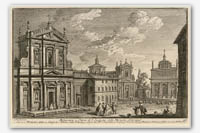
Plate 127A S. Bernardo + Plate 148 S. Susanna
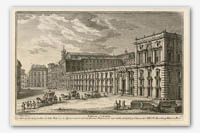 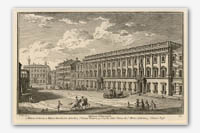
Plate 63 Pal Odescalchi + Plate 64 Pal Colonna
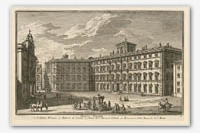 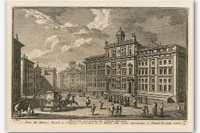
Plate 66 Pal Doria Panfili + Plate 162 Collegio Romano
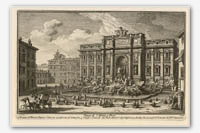 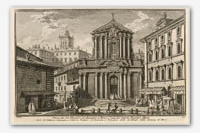
Plate 104 Fontana Trevi + Plate 139 SS. Vincenzio Anastasio
|
