"Any fool can know. The point is to understand." ― Albert Einstein

History of Ice Core Science

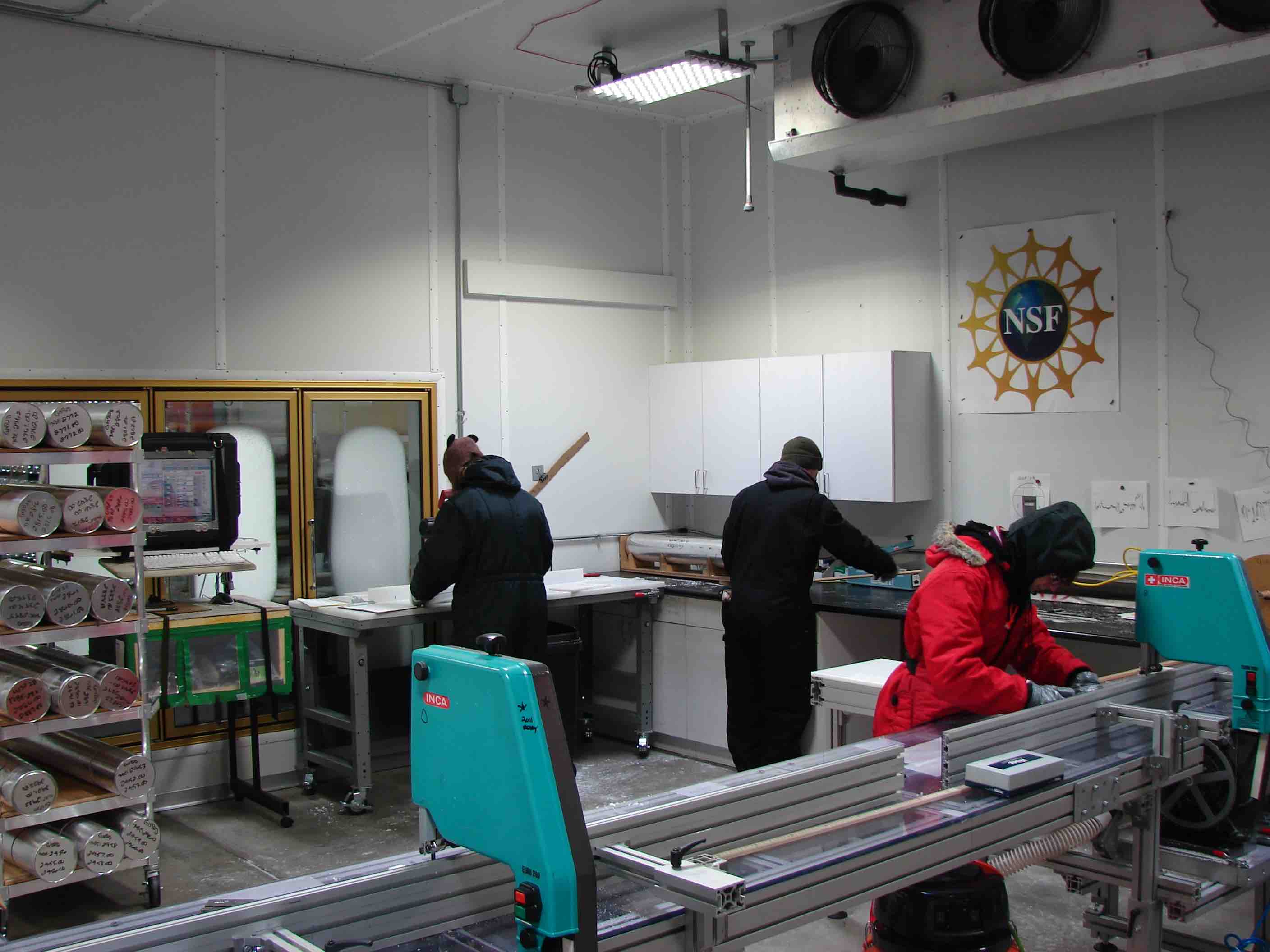
Ice core research, surprisingly, has its origins in the technological advancements and military programs bread by the Cold War in the late 1950’s and early 60’s. At this time, the US Army was interested in testing the feasibility of establishing military outposts on ice sheets for strategic purposes; at the same time, scientists were beginning to conceptualize that ice caps could be valuable climate archives (Dansgaard, 1954). In a prodigious partnership in 1960 between the academic community and the military, the United States Army constructed a military outpost at a site named ‘Camp Century,’ where some of the first scientific experiments of the Greenland Ice Sheet were conducted. Since these pioneering efforts of the 50’s and 60’s, ice core science has flourished, providing data that has shaped our understanding of global climate.

Existing Records and Current Questions

The past 60 years of ice core research has resulted in numerous ice cores available today for climate research. Collectively, these ice core records provide 800,000 years of atmospheric history and regional climate data. From this, we know that glacial-interglacial cycles have persisted on 100,000-year cycles for nearly 1 million years (Petit et al., 1999). We also know that the current interglacial will likely be the warmest seen in the ice core record due to the volume of greenhouse gases in the modern atmosphere (Petit et al., 1999). But many questions remain: Can we extend our record beyond 800,000 years, back to a period when glacial-interglacial cycles only lasted 40,000 years, and understand why? What was the configuration of ice sheets during the last interglacial, when sea level was 6-9 m higher than the present? How much of that sea level was sourced by melting of the Greenland Ice Sheet, and what does that mean for the stability of the Greenland Ice Sheet in the face of future anthropogenic warming? What else can we learn from existing ice cores that have yet to be studied? These are the questions that motivated my graduate work in ice core geochemistry.
Greenland during the Last Interglacial

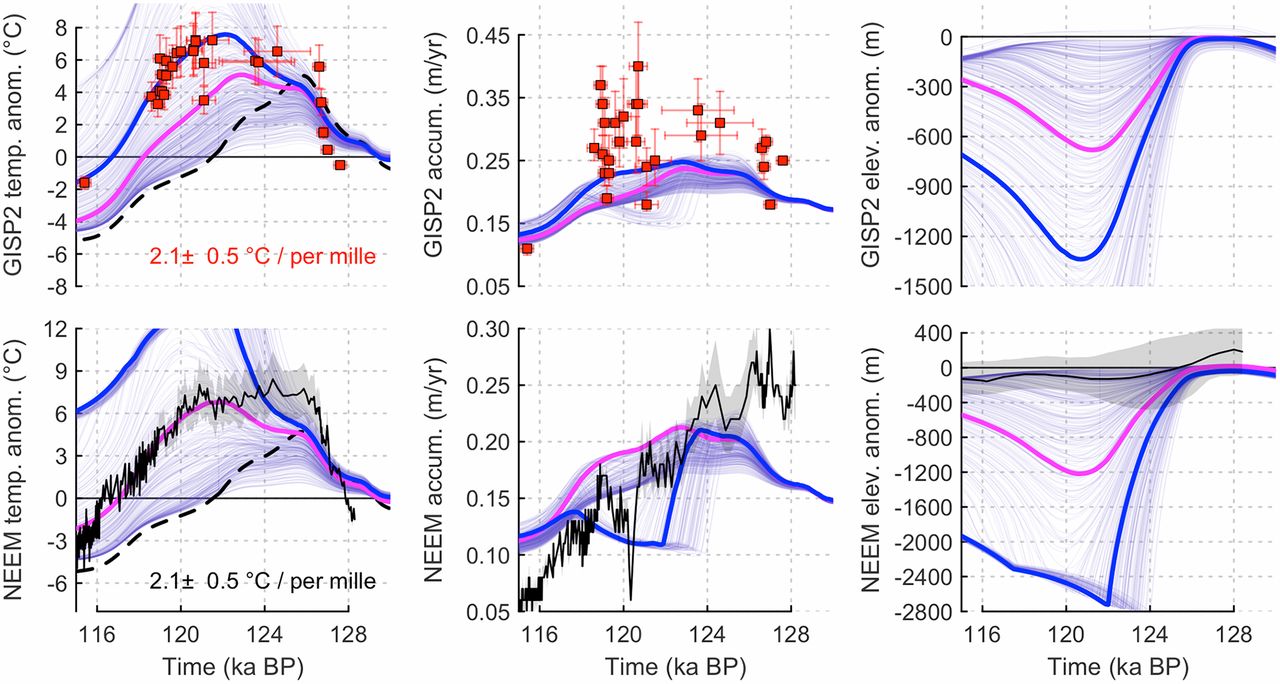
During the last interglacial (115,000-130,000 years ago), Arctic temperatures were 3–5 °C warmer than today and sea level was 6–9 m higher than today (Clark and Huybers, 2009; Kopp et al., 2009). Modeling studies have estimated how the Greenland ice sheet responded to this warming, however there has been limited ice core evidence to support and/or refute these estimates. We constrain model data with actual ice core analyses to provide a quantitative assessment of the changes of the Greenland Ice Sheet during this period. We resolve the timing of glacial regression following the glacial termination, providing constraints on sea level rise and timing of temperature forcing during an interglacial period warmer than that of today.

Results from this study

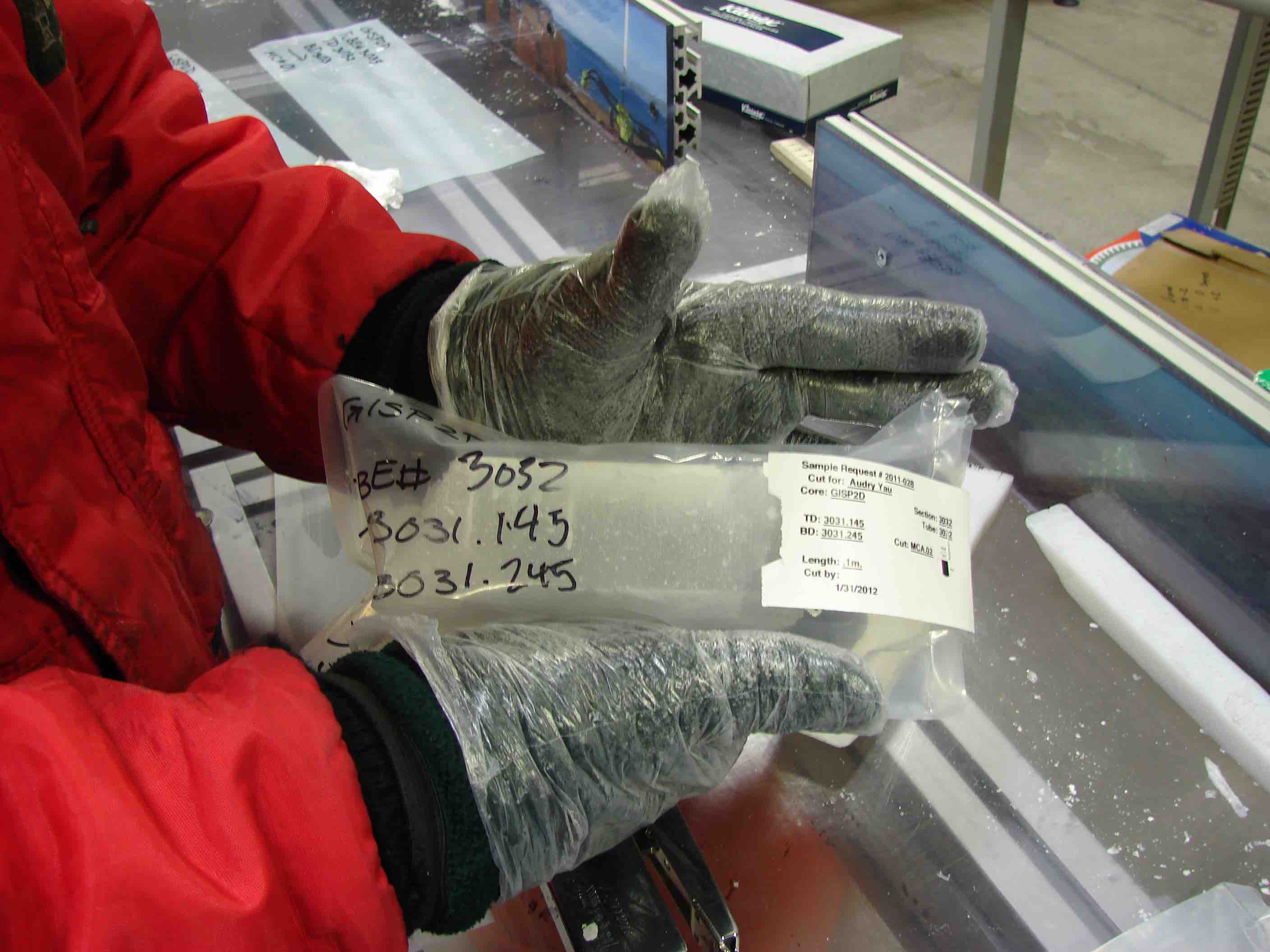
Our record comes from new analyses of the GISP2 ice core. The reconstructed climate and elevation histories are compared with an ensemble of coupled climate-ice-sheet model simulations of the Greenland ice sheet. We estimate that the Greenland ice sheet contributed 5.1 m (4.1–6.2 m, 95% credible interval) to global eustatic sea level as a result of ~6 °C of warming during the last interglacial.

Yau, A.M., Bender, M.L., Robinson, A., Brook, E.J., 2016. Reconstructing the Last Interglacial at Summit Greenland: Insights from GISP 2. Proceedings of the National Academy of Sciences 113; 35, 9710-9715.

Determining the Long-Term Stability of the Greenland Ice Sheet

The Greenland Ice Sheet is the second largest reservoir of water on land, and if completely melted, would contribute roughly 7 m to global eustatic sea level (Bamber et al., 2013). As a large, climate sensitive source to sea level rise, the stability of the Greenland Ice Sheet has been an important, debated subject. Limited data suggest that the northern and southern sections extend well back into the Pleistocene, but most age constraints do not definitively date the ice. Here, we provide direct ice core observations as to whether the Greenland Ice Sheet survived previous interglacials known to be warmer (∼130 ka) or longer (∼430 ka) than the present interglacial.

Results from this study

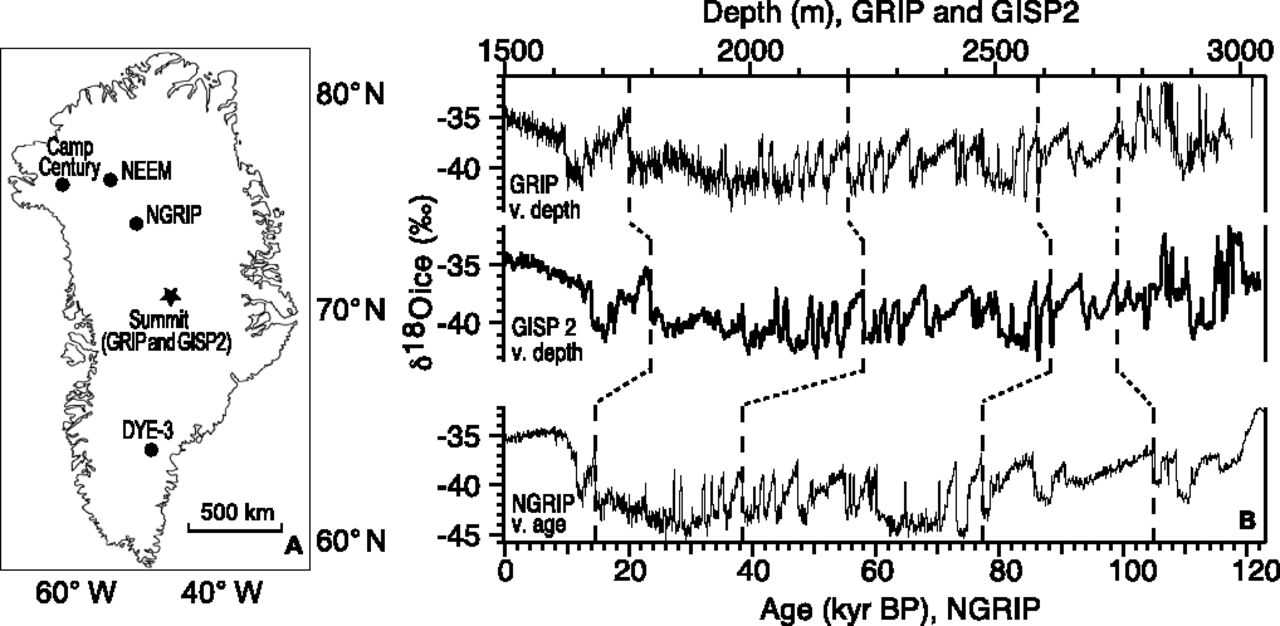
We provide age constraints on previously undated samples of the deep, stratigraphically disturbed sections of the Dye-3 and GRIP ice cores. We find that the Greenland Ice Sheet did not completely melt at Southern Greenland during the last interglacial, nor did it completely melt at Summit Greenland during the unusually long interglacial ∼430 kyr before present. Our results indicate a resilient Greenland Ice Sheet during significant past interglacials.

Yau, A.M., Bender, M.L., Blunier, T., Jouzel, J., 2016. Setting a Chronology for the Basal Ice at Dye-3 and GRIP: Implications for the Long-Term Stability of the Greenland Ice Sheet. Earth and Planetary Science Letters 451, 1-9.

Ancient Ice in Antarctica

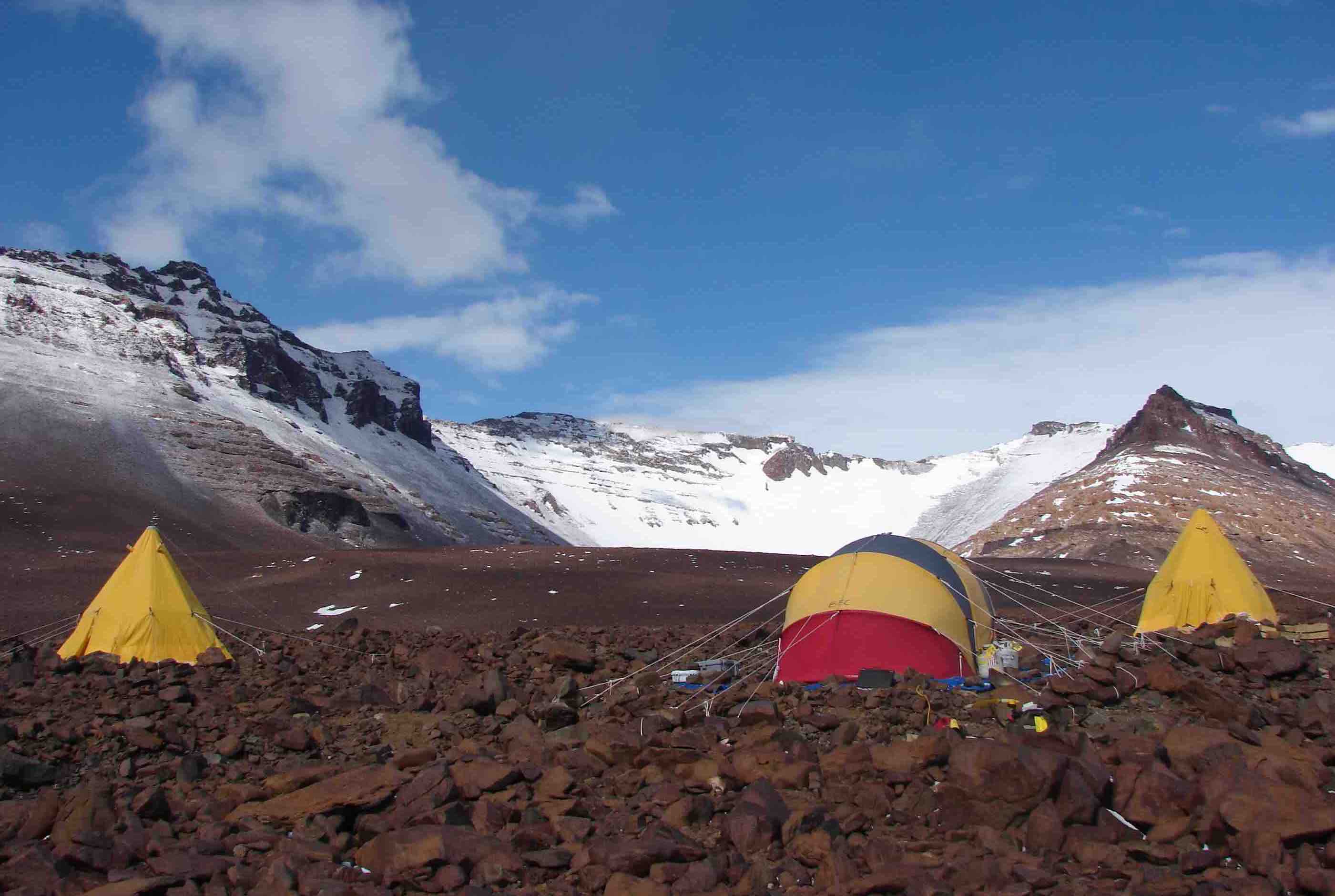
Air bubbles trapped in glacial ice can preserve fossil air over hundreds of thousands to millions of years, providing a record of atmospheric history through geologic time. Extending the Earth’s atmospheric record can provide data with which to better understand global climate history as well as provide constraints on climate model predictions. To this end, we are studying ice from Mullins Valley Glacier of the Dry Valleys in Antarctica, where radiometric dating of overlying ash deposits suggest that the ice is ~4 million years in age (Marchant et al, 2007).

Results from this study

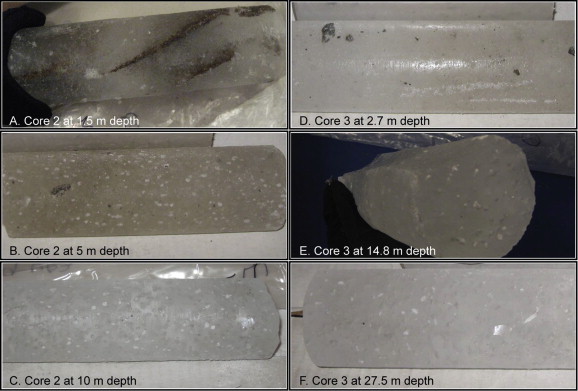
Our analyses of Mullins Valley glacial ice indicate that the trapped air is a mixture of ancient atmosphere trapped at the time of ice formation and more recent air introduced via cracks in the surface ice. The oldest age estimated for the trapped air dates to 1.6 Ma, indicating that the original air is at least as old as 1.6 ± 0.2 Ma. A convergence to older ice ages with increasing depth hints at the possibility that pristine air might be recovered at greater depths.

Yau, A.M., Bender, M.L., Marchant, D.R., Mackay, S.L., 2015. Geochemical analyses of air from an ancient debris-covered glacier, Antarctica. Quaternary Geochronology 28, 29-39.