Guests from around campus share their AI use cases
Mark Algee-Hewitt, Professor of English
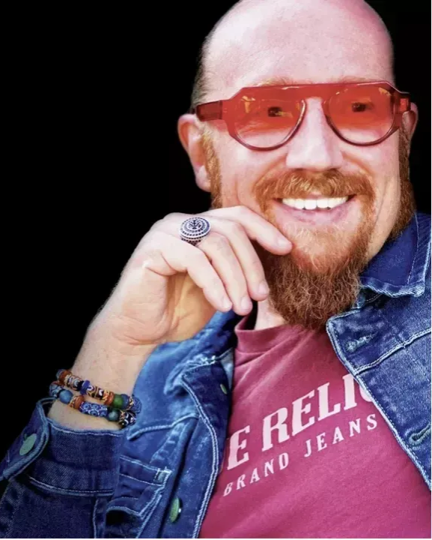
His work combines critical and quantitative approaches to the analysis of literature. He is particularly interested in the literature and aesthetic philosophy of the eighteenth and nineteenth centuries, and he has used computational methods to explore the history of aesthetic concepts across this period. As director of the Stanford Literary Lab, he has led projects on the literature of suspense, the history of racialized language in American literature, and an analysis of the reports of the OECD’s anti-bribery convention.
Megan Ma, Director of Stanford Legal Innovation through Frontier Technology Lab
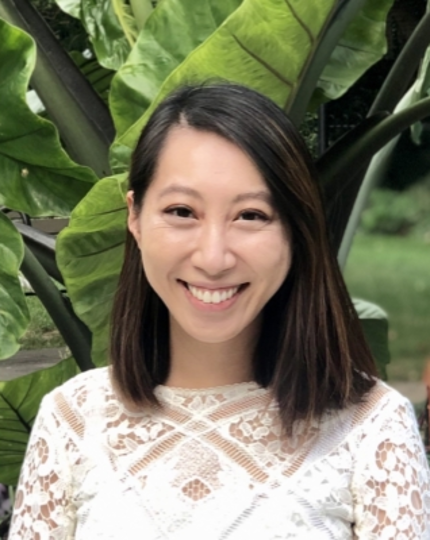
Her research focuses on the use and integration of generative AI in legal practice, considering their implications in contexts of human-machine collaboration. Her recent work considers the future of legal education and training in light of new technological developments. She also teaches courses in computational law at the Law School and Department of Computer Science. She received her PhD in Law at Sciences Po and taught courses in Artificial Intelligence and Legal Reasoning, Legal Semantics, and Public Health Law and Policy. She has previously been a Visiting PhD at the University of Cambridge and Harvard Law School respectively.
Markus Covert, Professor of Bioengineering
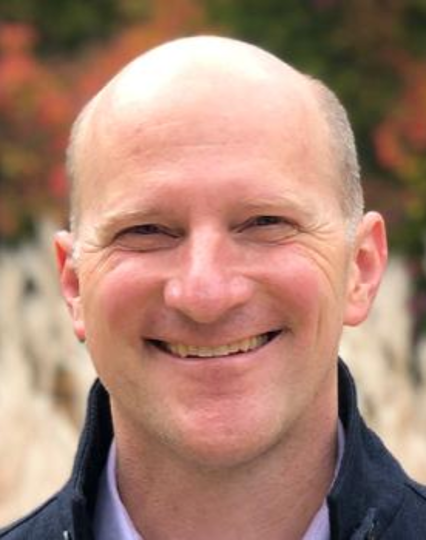 His research focus is building computational models of complex biological processes, and using these models to guide an experimental program. Such an approach leads to a relatively rapid identification and validation of previously unknown components and interactions. Biological systems of interest include metabolic, regulatory and signaling networks as well as cell-cell interactions. Current research involves the dynamic behavior of NF-kappaB, an important family of transcription factors whose aberrant activity has been linked to oncogenesis, tumor progression, and resistance to chemotherapy.